December 2025

The Real Reason Factories Struggle With Persistent Dust Problems

Why Dust Problems Never Truly Go Away in Industrial PlantsMany factories spend years fighting dust yet never fully solve the problem. Floors are cleaned machines are wiped filters are replaced and still dust returns every shift. The real issue is not housekeeping or operator discipline but the absence of properly engineered Dust Extraction Systems. Dust in industrial environments is generated continuously at transfer points conveying lines filling stations and discharge zones. Without a system designed to capture dust at its source the problem will always resurface. At Rajath Material Handling Systems Pvt Ltd, persistent dust is treated as a process design failure not a cleaning issue. The Misconception That Cleaning Equals Dust ControlOne of the biggest reasons factories struggle with dust is the belief that regular cleaning is enough. Sweeping vacuuming or blowing dust away only removes settled particles temporarily. Fine dust remains airborne resettles on equipment and spreads across the plant. Without Dust Extraction Systems, cleaning efforts become repetitive costly and ineffective. True dust control requires removing dust from the air before it settles not after it has already spread. How Dust Is Generated Continuously During OperationsDust is created every time material is transferred conveyed mixed filled or unloaded. Even well managed operations release fine particles into the air during normal processing. In high dust industries such as bulk powder handling food processing pharmaceuticals and chemicals this generation is constant. Without Dust Extraction Systems designed to operate continuously dust builds up faster than it can be cleaned. This continuous generation is the core reason dust problems persist in factories. Why General Ventilation Does Not Solve Dust IssuesMany plants rely on exhaust fans roof ventilators or open doors to manage dust. These methods dilute dust but do not remove it effectively. In some cases they spread fine particles further into the facility. Dust Extraction Systems work differently by capturing dust at the point of generation and filtering it before releasing clean air. General ventilation cannot replace engineered extraction when dealing with process generated dust. Source Level Capture Is the Missing LinkThe real reason dust problems persist is that dust is not captured at the source. Transfer points bag dumping stations filling spouts and discharge outlets are major dust release zones. If dust escapes at these points no downstream solution can compensate. Dust Extraction Systems use hoods ducting and collectors positioned precisely at dust sources to prevent airborne spread. This source level approach is essential for long term dust control. Incorrect System Design Makes Dust Problems WorseEven when extraction systems exist poor design often renders them ineffective. Undersized fans improper duct velocity wrong hood placement and unsuitable filters fail to capture dust efficiently. In high dust environments these design flaws quickly lead to clogged filters pressure loss and system shutdowns. Effective Dust Extraction Systems require accurate airflow calculations dust load assessment and proper filtration selection. Rajath Material Handling Systems Pvt Ltd focuses on engineering accuracy to ensure extraction systems perform reliably under real operating conditions. Health and Safety Consequences of Persistent DustUncontrolled dust is not just an operational issue it is a serious health risk. Workers exposed to fine dust over time can develop respiratory problems reduced comfort and long term health conditions. In some industries dust is also combustible creating fire and explosion hazards. Without reliable Dust Extraction Systems, factories struggle to maintain safe breathable air and meet occupational safety standards. Equipment Damage and Maintenance BurdenDust settles inside motors panels sensors and bearings causing overheating abrasion and frequent failures. Persistent dust increases maintenance frequency and shortens equipment life. Plants then face repeated breakdowns unplanned downtime and rising repair costs. Dust Extraction Systems protect equipment by preventing dust accumulation across the facility improving reliability and uptime. Compliance Challenges Without Proper ExtractionEnvironmental and workplace regulations require industries to control dust emissions and maintain air quality. Persistent dust issues often lead to inspection failures penalties or production restrictions. Temporary measures rarely satisfy compliance requirements. Properly designed Dust Extraction Systems provide measurable consistent dust control that supports regulatory compliance. Rajath Material Handling Systems Pvt Ltd designs systems aligned with industry standards to help plants avoid compliance risks. Why Dust Problems Persist Across All ShiftsFactories often notice that dust levels increase during peak production hours or specific shifts. This is because extraction systems are either undersized switched off or not designed for continuous operation. Effective Dust Extraction Systems must run in sync with production maintaining stable airflow regardless of load variations. Continuous operation capability is essential to eliminate recurring dust issues. Integrated Dust Extraction Delivers Lasting ResultsThe most successful dust control strategies integrate Dust Extraction Systems directly into material handling and processing equipment. When extraction is treated as an add on it rarely performs optimally. Integrated systems balance airflow material flow and process design for consistent results. Rajath Material Handling Systems Pvt Ltd integrates dust extraction into conveying filling and unloading systems to address dust at its origin. Industries Most Affected by Persistent Dust ProblemsFood processing pharmaceuticals chemicals plastics and bulk material industries face constant dust challenges due to fine powders and high throughput operations. In these sectors persistent dust directly affects hygiene safety and product quality. Dust Extraction Systems are not optional but essential infrastructure. Rajath Material Handling Systems Pvt Ltd delivers industry specific solutions designed to handle these demanding environments. Conclusion The Real Problem Is the Absence of Proper ExtractionFactories struggle with persistent dust problems because dust is treated as a cleaning issue instead of a process engineering issue. Without properly designed Dust Extraction Systems, dust will continue to spread affect safety damage equipment and disrupt operations. Long term dust control begins with capturing dust at the source using engineered extraction solutions. By partnering with Rajath Material Handling Systems Pvt Ltd, industries can finally eliminate persistent dust problems and achieve cleaner safer and more efficient plants.

The Real Reason Factories Struggle With Persistent Dust Problems Read More »
Why Poor Dust Control Fails Without Proper Dust Extraction Systems

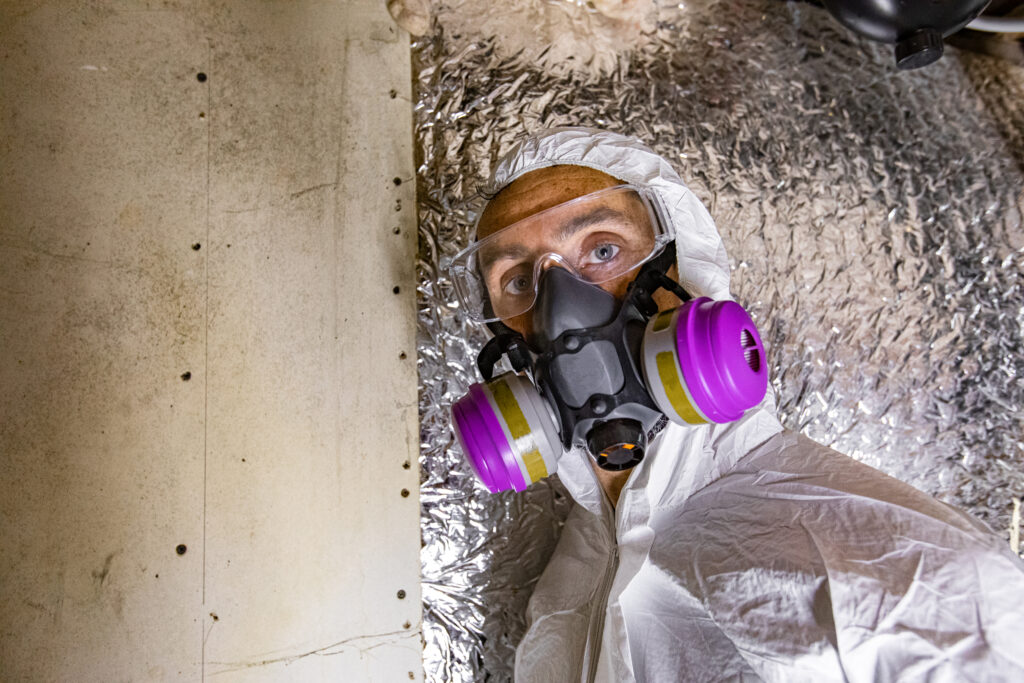
Understanding What Poor Dust Control Really MeansPoor dust control is not just about visible dust on floors or equipment. In many industrial plants dust exists in the air settling slowly on surfaces entering machinery and being inhaled by workers. Temporary measures like manual cleaning basic ventilation or portable fans may appear to control dust but they only address symptoms not the source. Without properly engineered Dust Extraction Systems, dust continues to escape during conveying transfer filling and unloading operations. At Rajath Material Handling Systems Pvt Ltd, dust control is approached as an engineering challenge not a housekeeping task. Why Basic Dust Control Methods Are Not EnoughMany plants rely on sweeping compressed air blowers or general exhaust fans to manage dust. These methods often spread fine particles further into the environment instead of removing them. In high dust processes such as bulk powder handling these approaches fail repeatedly because they are not designed to capture dust at the point of generation. Dust Extraction Systems are essential because they actively pull dust away from the source before it becomes airborne across the facility. Without them dust control efforts remain ineffective and short lived. The Real Impact of Uncontrolled Dust in Industrial PlantsWhen dust is not controlled properly it affects every part of plant operations. Dust settles on machines causing overheating sensor failure and premature wear. It contaminates raw materials and finished products leading to quality issues and rejections. Airborne dust also reduces visibility making work areas unsafe. Poor dust control directly increases downtime maintenance costs and operational risk. Dust Extraction Systems are designed to eliminate these problems by maintaining clean controlled environments throughout the production cycle. Health and Safety Risks of Poor Dust ControlOne of the most serious consequences of poor dust control is the risk to worker health. Fine dust particles can be inhaled deep into the lungs causing respiratory problems long term health issues and reduced worker comfort. In some industries dust can also be combustible creating fire and explosion hazards. Without properly designed Dust Extraction Systems, plants struggle to meet workplace safety requirements. Rajath Material Handling Systems Pvt Ltd designs extraction solutions that protect workers by maintaining safe breathable air in dust intensive areas. Why Dust Must Be Captured at the SourceEffective dust control starts with capturing dust where it is generated. Transfer points bag dumping stations filling spouts and discharge outlets are major dust release zones. If dust is allowed to escape at these points no amount of downstream cleaning can compensate. Dust Extraction Systems use localized hoods ducting and collectors to remove dust immediately preventing it from spreading. This source level approach is the foundation of reliable dust control and long term cleanliness. Engineering Failures That Cause Dust Control to Break DownPoor dust control often results from incorrect system design rather than lack of effort. Undersized fans inadequate duct velocity poor hood placement and wrong filter selection all lead to system failure. In high dust applications these mistakes quickly overwhelm extraction units. Proper Dust Extraction Systems require precise airflow calculations dust load analysis and filtration selection. Rajath Material Handling Systems Pvt Ltd applies engineering logic to ensure systems perform consistently under real operating conditions. How Poor Dust Control Increases Maintenance and DowntimeDust buildup inside equipment panels motors and control systems leads to frequent breakdowns. Filters clog rapidly when extraction is inadequate causing pressure drops and reduced airflow. Operators then face repeated shutdowns for cleaning and repairs. Dust Extraction Systems designed correctly reduce dust accumulation across the plant lowering maintenance frequency and extending equipment life. This directly improves uptime and operational reliability. Regulatory and Compliance Challenges Without Proper ExtractionEnvironmental and workplace safety regulations require industries to control dust emissions and maintain acceptable air quality. Poor dust control increases the risk of inspection failures penalties and production stoppages. Temporary dust management methods rarely satisfy compliance requirements. Dust Extraction Systems provide measurable consistent dust control that supports regulatory compliance. Rajath Material Handling Systems Pvt Ltd designs systems aligned with industry standards helping plants avoid compliance related disruptions. Operational Efficiency Depends on Effective Dust ExtractionDust control is closely linked to productivity. Excessive dust causes cleaning interruptions material loss and inconsistent processes. Workers spend time managing dust instead of focusing on production. Dust Extraction Systems streamline operations by maintaining clean transfer points and stable environments. Reduced cleaning effort and fewer interruptions result in smoother more efficient production cycles. Why Integrated Dust Extraction Delivers Better ResultsDust extraction works best when it is integrated into material handling systems rather than added later. Retrofits often struggle to capture dust effectively because they are constrained by existing layouts. Dust Extraction Systems designed as part of the overall process achieve better airflow balance and capture efficiency. Rajath Material Handling Systems Pvt Ltd integrates dust extraction into conveying filling and unloading systems to deliver reliable dust control from day one. Industries Most Affected by Poor Dust ControlIndustries such as food processing pharmaceuticals chemicals plastics and bulk material handling generate significant dust during daily operations. In these sectors poor dust control leads to hygiene issues safety risks and product contamination. Dust Extraction Systems are essential to maintain clean compliant and efficient operations. Rajath Material Handling Systems Pvt Ltd delivers industry specific solutions tailored to the dust characteristics of each application. Why Rajath Material Handling Systems Pvt Ltd Gets Dust Control RightEffective dust control requires experience precision and application knowledge. Rajath Material Handling Systems Pvt Ltd brings decades of engineering expertise in designing Dust Extraction Systems that handle real world dust challenges. From dust assessment and system design to manufacturing installation and support the company delivers end to end solutions focused on long term performance and reliability. Conclusion Proper Dust Control Starts With Proper ExtractionPoor dust control fails because it relies on temporary measures instead of engineered solutions. Without properly designed Dust Extraction Systems, dust continues to impact safety equipment performance and productivity. By investing in engineered extraction solutions from Rajath Material Handling Systems Pvt Ltd, industries can achieve cleaner air safer workplaces reduced maintenance and more efficient operations.

Why Poor Dust Control Fails Without Proper Dust Extraction Systems Read More »

Dust Extraction Systems Designed for High Dust Industrial Processes

Understanding High Dust Industrial ProcessesHigh dust industrial processes are common in sectors such as bulk material handling food processing pharmaceuticals chemicals plastics and minerals. These operations generate large volumes of airborne particles during conveying transfer mixing filling and unloading. When dust is not controlled it settles on equipment floors and structures creating unsafe working conditions and operational inefficiencies. Dust Extraction Systems are specifically engineered to capture and control dust at the source ensuring cleaner safer and more reliable industrial operations. At Rajath Material Handling Systems Pvt Ltd, high dust environments are addressed through engineering driven extraction solutions rather than generic add ons. Why High Dust Environments Demand Specialized ExtractionNot all dust behaves the same way. Fine powders lightweight particles and abrasive materials require different capture velocities filtration methods and airflow control. High dust industrial processes overwhelm standard ventilation or basic collectors leading to frequent filter clogging pressure drops and system failure. Dust Extraction Systems designed for high dust loads are built with proper air volume calculation heavy duty filtration and continuous operation capability. Rajath Material Handling Systems Pvt Ltd designs systems that perform consistently even under intense dust generation. How Dust Extraction Systems Control Dust at the SourceThe most effective way to manage dust is to capture it before it spreads. Dust Extraction Systems are engineered to collect dust directly from transfer points bag dumping stations filling operations and discharge zones. Localized extraction hoods ducting and high efficiency collectors work together to prevent dust from becoming airborne across the plant. Rajath Material Handling Systems Pvt Ltd focuses on source level extraction to reduce overall dust load and improve system efficiency. Engineering Airflow for High Dust ApplicationsAirflow design is the backbone of reliable Dust Extraction Systems. Insufficient airflow fails to capture dust while excessive airflow wastes energy and increases wear. High dust industrial processes require precise airflow calculation based on dust particle size generation rate and capture distance. Rajath Material Handling Systems Pvt Ltd applies engineering calculations to balance airflow velocity pressure and duct design ensuring stable dust capture without energy loss. Filtration Technology Built for Heavy Dust LoadsHigh dust processes demand filtration systems that can handle continuous particle loading without frequent shutdowns. Dust Extraction Systems use advanced filter media pulse jet cleaning and proper filter sizing to maintain performance over long operating hours. Inadequate filtration leads to pressure build up and reduced efficiency. Rajath Material Handling Systems Pvt Ltd selects filtration solutions based on dust characteristics ensuring longer filter life and consistent extraction. Protecting Worker Health in Dust Intensive AreasAirborne dust poses serious health risks including respiratory issues long term exposure hazards and reduced worker comfort. Dust Extraction Systems play a critical role in maintaining breathable air in production zones. By removing fine particles from the air these systems help industries meet occupational safety requirements and protect their workforce. Rajath Material Handling Systems Pvt Ltd designs extraction solutions that prioritize worker health without interrupting production. Reducing Equipment Wear and MaintenanceDust does not only affect people it also damages equipment. Settled dust accelerates wear on motors bearings sensors and control panels leading to frequent breakdowns. Dust Extraction Systems reduce dust accumulation across the plant protecting equipment and extending service life. Rajath Material Handling Systems Pvt Ltd integrates extraction systems to safeguard both process equipment and supporting infrastructure. Improving Process Efficiency and Product QualityHigh dust environments often result in material loss inconsistent batching and product contamination. Dust Extraction Systems help maintain clean transfer points and controlled environments improving process stability and product quality. Clean operations reduce rework cleaning downtime and waste. Rajath Material Handling Systems Pvt Ltd ensures dust control contributes directly to operational efficiency rather than becoming a maintenance burden. Meeting Regulatory and Compliance RequirementsIndustries handling powders and bulk solids are subject to strict environmental and workplace regulations. Poor dust control can result in compliance violations penalties and shutdowns. Dust Extraction Systems designed for high dust industrial processes support regulatory compliance by maintaining acceptable air quality levels. Rajath Material Handling Systems Pvt Ltd engineers systems that align with industry standards and inspection requirements. Energy Efficient Dust Control for Continuous OperationsHigh dust processes often run continuously making energy efficiency essential. Well designed Dust Extraction Systems optimize duct routing fan selection and filter cleaning cycles to minimize power consumption. Efficient systems reduce operating costs while delivering consistent dust control. Rajath Material Handling Systems Pvt Ltd balances performance and efficiency to support sustainable long term operations. Industries That Benefit Most From High Dust Extraction SystemsFood processing pharmaceutical manufacturing chemical production plastics and bulk powder industries generate high dust levels during daily operations. Dust Extraction Systems provide essential support for cleanliness safety and productivity in these sectors. Rajath Material Handling Systems Pvt Ltd delivers industry specific solutions that address unique dust challenges while maintaining process flow. Why Rajath Material Handling Systems Pvt Ltd Is the Right PartnerDesigning Dust Extraction Systems for high dust industrial processes requires experience application knowledge and precision engineering. Rajath Material Handling Systems Pvt Ltd brings decades of industrial expertise delivering end to end solutions from dust analysis and system design to manufacturing installation and support. Their systems are trusted for reliability performance and long term durability. Conclusion Engineering Dust Control for Demanding EnvironmentsHigh dust industrial processes demand more than basic dust collection. Dust Extraction Systems designed specifically for heavy dust loads ensure cleaner air safer workplaces protected equipment and efficient operations. By partnering with Rajath Material Handling Systems Pvt Ltd, industries gain engineered solutions that handle dust challenges confidently while supporting productivity compliance and long term operational success.

Dust Extraction Systems Designed for High Dust Industrial Processes Read More »

Why Enclosed Material Transfer Is Replacing Floor Mounted Conveyors

The Shift in How Modern Plants Handle MaterialsIndustrial manufacturing has evolved rapidly over the last decade. Plants are no longer judged only by output but also by cleanliness safety efficiency and adaptability. Traditional floor mounted conveyors once dominated material movement but today they are increasingly seen as restrictive and outdated. Enclosed material transfer has emerged as a smarter alternative that aligns better with modern operational demands. Across industries manufacturers are moving away from floor mounted conveyors because enclosed systems offer cleaner safer and more efficient material flow. At Rajath Material Handling Systems Pvt Ltd, this shift is clearly visible across projects in food pharmaceuticals chemicals and plastics. Limitations of Floor Mounted Conveyors in Modern PlantsFloor mounted conveyors occupy valuable production space and impose fixed routing paths. As plants grow these conveyors become obstacles rather than assets. Walkways get blocked maintenance access becomes difficult and any layout change requires major structural modification. Spillage from open conveyors adds to cleaning effort and safety risks. In busy plants these limitations directly affect productivity. Enclosed material transfer addresses these challenges by removing material movement from the floor and enclosing it within controlled pathways. What Enclosed Material Transfer Really MeansEnclosed material transfer refers to moving powders granules or bulk solids through sealed systems such as pipelines or enclosed ducts rather than open belts or screws. Materials travel from source to destination without exposure to the surrounding environment. This approach prevents spillage minimizes dust generation and maintains consistent flow. Unlike floor mounted conveyors enclosed systems are designed around the plant layout instead of forcing the plant to adapt to the conveyor. Cleaner Production Floors With Enclosed SystemsCleanliness is one of the primary reasons enclosed material transfer is replacing floor mounted conveyors. Open conveyors allow fine particles to escape during transfer creating dust accumulation on floors equipment and structures. This leads to frequent cleaning shutdowns and compliance issues. Enclosed transfer keeps materials contained throughout the process resulting in cleaner production floors and improved housekeeping standards. Plants using enclosed systems often report a visible improvement in overall shop floor condition. Improved Safety for Operators and EquipmentFloor mounted conveyors introduce multiple safety risks including trip hazards pinch points and accidental contact with moving parts. In contrast enclosed material transfer significantly reduces these risks. With material flow isolated from operators there is less exposure to dust and hazardous substances. Clear floors also improve visibility and movement reducing accident potential. Safety managers increasingly prefer enclosed systems because they support safer working environments without compromising throughput. Space Optimization and Better Layout FlexibilityModern plants are space constrained especially those located in industrial zones with limited expansion possibilities. Floor mounted conveyors consume linear space and restrict layout options. Enclosed material transfer systems can be routed overhead vertically or around obstacles allowing engineers to free up floor space for production and movement. This flexibility makes it easier to add new equipment or modify processes without reworking the entire conveying setup. Reduced Maintenance and DowntimeOpen conveyors are exposed to wear contamination and material buildup which increases maintenance frequency. Spilled material around conveyors also accelerates component wear. Enclosed material transfer systems protect both the material and the equipment by operating within controlled environments. Reduced exposure means fewer breakdowns lower maintenance effort and improved system reliability. For plants operating continuously this reliability is a major advantage over traditional conveyors. Better Control Over Material FlowConsistency is critical in modern manufacturing. Floor mounted conveyors often struggle with uneven flow especially when handling fine powders or fragile materials. Enclosed transfer provides better control over material movement allowing precise regulation of flow rates and delivery points. This improves batching accuracy reduces material loss and supports automated processes. Plants aiming for higher process control increasingly choose enclosed solutions over open conveyors. Supporting Hygiene and Regulatory ComplianceIndustries such as food pharmaceuticals and chemicals face strict hygiene and contamination control requirements. Floor mounted conveyors make it difficult to meet these standards due to open exposure and cleaning challenges. Enclosed material transfer supports contamination control by isolating materials from the environment. This makes it easier for plants to comply with regulatory standards while maintaining operational efficiency. Adaptability for Growing and Changing PlantsManufacturing facilities are rarely static. New products higher volumes and process upgrades demand adaptable systems. Floor mounted conveyors are difficult to relocate or extend without significant disruption. Enclosed material transfer systems are modular by nature allowing easy expansion or rerouting. This adaptability ensures plants can grow without compromising cleanliness organization or efficiency. Why Enclosed Material Transfer Is the FutureThe move away from floor mounted conveyors is not a trend but a logical response to changing industrial priorities. Cleaner floors safer operations better space utilization and improved reliability all point toward enclosed material transfer as the future of material handling. As industries push for higher efficiency and compliance enclosed systems offer long term value that traditional conveyors struggle to match. Conclusion Choosing Smarter Material MovementEnclosed material transfer is replacing floor mounted conveyors because it solves real operational problems faced by modern plants. From cleanliness and safety to flexibility and control enclosed systems deliver clear advantages. By adopting enclosed material transfer solutions manufacturers can build plants that are cleaner safer and better prepared for future growth. With engineering focused partners like Rajath Material Handling Systems Pvt Ltd, industries can transition confidently toward smarter and more efficient material handling practices.

Why Enclosed Material Transfer Is Replacing Floor Mounted Conveyors Read More »

Pneumatic Conveying Systems That Simplify Material Flow in Busy Plants

Why Material Flow Becomes a Challenge in Busy PlantsBusy industrial plants operate with continuous movement of raw materials semi finished products and finished goods across multiple processes. As production volumes increase and layouts become more crowded managing smooth material flow turns into a daily operational challenge. Manual handling floor mounted conveyors and open transfer points often create bottlenecks spillage and confusion. This is where Pneumatic Conveying Systems become essential. By enabling enclosed automated and flexible material transfer these systems simplify material flow even in fast paced high traffic plant environments. At Rajath Material Handling Systems Pvt Ltd, simplifying material flow is a core objective of every conveying solution. How Pneumatic Conveying Systems Streamline Plant OperationsUnlike traditional conveying methods that depend heavily on floor space Pneumatic Conveying Systems move materials through enclosed pipelines routed overhead vertically or around equipment. This allows materials to travel directly from one process to another without crossing walkways or interfering with ongoing operations. The result is a smoother more predictable material flow that supports continuous production. Rajath Material Handling Systems Pvt Ltd designs systems that align material movement with real world plant activity reducing unnecessary handling and delays. Reducing Bottlenecks Through Automated Material TransferIn busy plants bottlenecks often occur at material transfer points where manual intervention is required. Bags waiting to be emptied or materials queued for transfer slow down production and create clutter. Pneumatic Conveying Systems automate material movement ensuring consistent flow rates and timely delivery to each process stage. Automated conveying reduces dependence on manual labor and minimizes waiting time. Rajath Material Handling Systems Pvt Ltd focuses on automation driven designs that keep production moving smoothly throughout the day. Simplifying Complex Routes With Flexible Pipeline DesignBusy plants are rarely designed with straight clear paths for material movement. Equipment additions expansions and utility routing create complex environments. Pneumatic Conveying Systems overcome this challenge by using pipelines that can bend rise and navigate around obstacles without disrupting existing processes. This flexibility allows materials to move efficiently across complex routes without creating confusion or congestion. Rajath Material Handling Systems Pvt Ltd engineers pipeline layouts that simplify material flow while respecting plant constraints. Maintaining Clean and Organized Work AreasMaterial flow is not just about speed but also about cleanliness and organization. Open conveyors and manual transfers often lead to spills dust and clutter especially in high activity areas. Pneumatic Conveying Systems provide enclosed transfer that minimizes dust escape and material loss keeping work areas clean and organized. Cleaner floors improve visibility and reduce distractions helping operators focus on their tasks. Rajath Material Handling Systems Pvt Ltd integrates cleanliness into system design ensuring simplified flow does not compromise hygiene or safety. Supporting Multi Process and Multi Level PlantsMany busy plants operate multiple processes across different levels or zones. Coordinating material flow between these areas can be complex. Pneumatic Conveying Systems connect silos mixers reactors and packaging lines across floors seamlessly allowing materials to move effortlessly regardless of distance or elevation. This connectivity simplifies plant logistics and supports synchronized operations. Rajath Material Handling Systems Pvt Ltd delivers solutions that unify material flow across entire facilities. Enhancing Safety While Improving FlowBusy plants often face higher safety risks due to increased movement of people equipment and materials. Cluttered floors and manual handling increase the likelihood of accidents. Pneumatic Conveying Systems reduce these risks by removing material transfer from the floor and enclosing potentially hazardous products. This improves overall plant safety while maintaining efficient flow. Rajath Material Handling Systems Pvt Ltd prioritizes safety as a key outcome of simplified material movement. Adapting to Changing Production DemandsProduction demands in busy plants can change rapidly due to new products higher volumes or process modifications. Pneumatic Conveying Systems offer modular and scalable design allowing easy expansion or rerouting without disrupting existing material flow. This adaptability ensures plants can respond to change without creating chaos on the production floor. Rajath Material Handling Systems Pvt Ltd designs future ready systems that support long term operational flexibility. Energy Efficient Flow in High Activity EnvironmentsSimplifying material flow should not lead to increased energy consumption. Efficient Pneumatic Conveying Systems optimize airflow pressure and routing to maintain reliable transfer with minimal power usage. Reduced rework cleaning and downtime further improve overall efficiency. Rajath Material Handling Systems Pvt Ltd balances performance and energy efficiency ensuring smooth material flow without unnecessary operating costs. Industries That Benefit Most From Simplified Material FlowFood processing pharmaceutical manufacturing chemical production and plastics industries often operate busy plants with continuous material movement. Pneumatic Conveying Systems support high throughput hygienic and organized flow in these environments. Rajath Material Handling Systems Pvt Ltd provides industry specific solutions that simplify material flow while meeting regulatory and operational requirements. Why Rajath Material Handling Systems Pvt Ltd Is the Right ChoiceSimplifying material flow in busy plants requires more than standard equipment. It requires understanding plant dynamics material behavior and production priorities. Rajath Material Handling Systems Pvt Ltd brings decades of engineering experience delivering end to end Pneumatic Conveying Systems that reduce complexity improve flow and enhance operational reliability. Their solutions are trusted across industries for performance durability and intelligent design. Conclusion Simplified Flow Leads to Better Plant PerformanceEfficient material flow is the backbone of productive industrial operations. Pneumatic Conveying Systems simplify this flow by eliminating bottlenecks reducing clutter and enabling automated movement in busy plants. By choosing Rajath Material Handling Systems Pvt Ltd, manufacturers gain engineered solutions that support smooth organized and scalable operations helping plants perform better every day.

Pneumatic Conveying Systems That Simplify Material Flow in Busy Plants Read More »

Pneumatic Conveying Systems for Clean Organized Floors in Complex Plants

Why Clean and Organized Floors Matter in Complex PlantsIn modern manufacturing environments plant layouts are rarely simple. Multiple process lines equipment expansions safety zones and utility routing create complex plants where maintaining cleanliness and order becomes a daily challenge. Messy floors dust accumulation and congested walkways reduce efficiency increase safety risks and complicate compliance. Pneumatic Conveying Systems play a critical role in solving these challenges by enabling enclosed automated material transfer that supports clean organized production floors even in the most complex plant environments. At Rajath Material Handling Systems Pvt Ltd, floor cleanliness is treated as a direct outcome of intelligent conveying engineering. How Pneumatic Conveying Systems Support Complex Plant LayoutsComplex plants often include multi level structures tight spaces and restricted routing paths. Traditional mechanical conveyors demand straight lines floor space and fixed elevations which are difficult to achieve in such environments. Pneumatic Conveying Systems use compact pipelines that can be routed overhead vertically and around obstacles without disrupting existing operations. This flexibility allows plants to move materials efficiently while keeping floors open and organized. Rajath Material Handling Systems Pvt Ltd designs systems that work with plant constraints rather than against them. Keeping Production Floors Clean Through Enclosed Material TransferOpen handling of powders and granules is one of the main reasons production floors become dirty and difficult to manage. Spillage dust escape and manual transfers create constant cleaning requirements and safety concerns. Pneumatic Conveying Systems transport materials through sealed pipelines from source to destination preventing dust release and product loss. By eliminating open transfer points these systems help maintain consistently clean floors. Rajath Material Handling Systems Pvt Ltd integrates dust control and containment into every system design ensuring cleanliness is built in from the start. Eliminating Floor Level Congestion for Better OrganizationIn complex plants floor space is valuable and often limited. Mechanical conveyors storage bins and manual handling equipment clutter production areas making movement difficult and unsafe. Pneumatic Conveying Systems remove the need for floor mounted conveyors by relocating material flow overhead or through concealed routing. This clears production floors improves accessibility and creates a more organized working environment. Rajath Material Handling Systems Pvt Ltd carefully plans pipeline routing to maximize floor openness and operational clarity. Engineering Pneumatic Conveying Systems for Orderly LayoutsClean floors alone do not guarantee organization. Material flow must be logically planned to avoid crossing walkways blocking access points or interfering with equipment maintenance. Pneumatic Conveying Systems allow engineers to design structured material routes that connect silos mixers reactors and packaging machines in a systematic manner. Rajath Material Handling Systems Pvt Ltd focuses on layout driven engineering ensuring that material movement enhances overall plant organization rather than creating new challenges. Reducing Manual Handling to Maintain Clean FloorsManual handling is a major contributor to floor disorder in complex plants. Bags torn during transfer spilled material and inconsistent handling practices quickly lead to clutter. Pneumatic Conveying Systems automate material movement reducing human intervention and the risk of spills. Automated conveying ensures materials move directly between processes without intermediate handling. Rajath Material Handling Systems Pvt Ltd delivers automation focused solutions that help plants maintain clean and organized floors throughout daily operations. Supporting Safety Alongside Cleanliness and OrganizationClean organized floors directly improve workplace safety. Reduced clutter lowers the risk of trips falls and equipment collisions. Enclosed Pneumatic Conveying Systems also limit worker exposure to airborne dust and hazardous materials which is especially important in chemical and pharmaceutical plants. Rajath Material Handling Systems Pvt Ltd designs systems that align safety objectives with cleanliness and operational efficiency creating safer working environments. Adapting to Growth and Layout Changes Without Losing OrderComplex plants evolve over time as production volumes increase and new processes are added. Maintaining clean organized floors during expansion is often difficult. Pneumatic Conveying Systems offer modular designs that allow easy rerouting extension or modification without installing bulky new equipment. This adaptability ensures that cleanliness and organization are preserved even as plant layouts change. Rajath Material Handling Systems Pvt Ltd ensures systems are future ready supporting long term plant growth. Energy Efficient Clean Floor OperationsMaintaining clean organized floors should not increase operating costs. Efficient Pneumatic Conveying Systems optimize airflow pipeline routing and pressure requirements to deliver reliable conveying with minimal energy consumption. Reduced material loss cleaning effort and maintenance further improve cost efficiency. Rajath Material Handling Systems Pvt Ltd balances performance and energy efficiency to support sustainable clean floor operations. Industries That Benefit Most From Clean Organized ConveyingIndustries such as food processing pharmaceuticals chemicals and plastics operate under strict hygiene and safety standards while often dealing with complex layouts. Pneumatic Conveying Systems support contamination control zoning requirements and efficient workflow in these environments. Rajath Material Handling Systems Pvt Ltd provides industry specific solutions that help plants maintain clean organized floors while meeting regulatory and production demands. Why Rajath Material Handling Systems Pvt Ltd Delivers Better ResultsDesigning Pneumatic Conveying Systems for clean organized floors in complex plants requires experience precision and practical insight. Rajath Material Handling Systems Pvt Ltd brings decades of engineering expertise offering end to end solutions from layout analysis and system design to manufacturing installation and ongoing support. Their systems are trusted across industries for reliability cleanliness and long term performance. Conclusion Clean Organized Floors Start With Smart Conveying DesignClean organized production floors are not achieved through cleaning alone but through smart engineering decisions. Pneumatic Conveying Systems make this possible by eliminating clutter reducing dust and enabling efficient automated material flow in complex plants. By partnering with Rajath Material Handling Systems Pvt Ltd, manufacturers gain engineered solutions that support cleanliness organization safety and operational excellence even in the most challenging plant layouts.

Pneumatic Conveying Systems for Clean Organized Floors in Complex Plants Read More »

Pneumatic Conveying Systems That Keep Production Floors Clean and Organized

The Growing Need for Clean and Organized Production FloorsIn modern industrial environments cleanliness and organization directly impact productivity safety and product quality. Congested production floors filled with open conveyors spilled material and airborne dust not only slow down operations but also increase maintenance effort and safety risks. This is where Pneumatic Conveying Systems play a transformative role. By enabling enclosed automated material transfer these systems help industries maintain orderly production floors while supporting efficient continuous operations. At Rajath Material Handling Systems Pvt Ltd, clean floor design is considered a core outcome of intelligent conveying engineering. Why Production Floor Cleanliness Matters More Than EverIndustries such as food pharmaceuticals chemicals and plastics operate under strict hygiene and safety regulations. Material spills dust accumulation and manual handling can quickly lead to contamination non compliance and costly downtime. Pneumatic Conveying Systems eliminate open material transfer points keeping raw materials enclosed from source to destination. This not only protects product quality but also reduces cleaning frequency and labor dependency. Rajath Material Handling Systems Pvt Ltd designs systems that help plants meet cleanliness standards without compromising throughput. How Pneumatic Conveying Systems Remove Floor Level CongestionTraditional mechanical conveyors occupy valuable floor space and restrict movement of people equipment and vehicles. Over time these installations create cluttered layouts that are difficult to maintain or modify. Pneumatic Conveying Systems replace bulky floor conveyors with compact pipelines routed overhead along walls or through ceilings. This clears the production floor allowing smoother movement and better space utilization. Rajath Material Handling Systems Pvt Ltd carefully plans routing to maximize floor openness and operational efficiency. Enclosed Material Transfer for Dust Free OperationsDust is one of the biggest contributors to dirty production floors. Open transfer points allow fine powders to escape settle on surfaces and enter the air. Pneumatic Conveying Systems provide a fully enclosed pathway that significantly minimizes dust generation and spread. When integrated with efficient filtration and dust extraction units they create a cleaner healthier working environment. Rajath Material Handling Systems Pvt Ltd incorporates dust control as an integral part of system design rather than an afterthought. Organized Layouts Through Intelligent System EngineeringClean floors are not just about dust control but also about systematic layout planning. Pneumatic Conveying Systems allow engineers to organize material flow logically connecting silos mixers reactors and packaging machines without crossing walkways or obstructing access points. This results in a structured plant layout that is easier to manage expand and maintain. Rajath Material Handling Systems Pvt Ltd approaches every project with a layout first mindset ensuring material movement supports overall plant organization. Reducing Manual Handling and Material SpillageManual handling is a major source of mess on production floors. Bags spilled material and transfer losses quickly accumulate creating unsafe conditions. Pneumatic Conveying Systems automate material movement reducing human intervention and the chances of spillage. Consistent controlled conveying ensures materials reach their destination without loss. Rajath Material Handling Systems Pvt Ltd focuses on automation driven solutions that improve cleanliness while boosting process reliability. Supporting Safety Alongside CleanlinessClean and organized floors directly enhance workplace safety. Reduced clutter improves visibility and minimizes trip hazards. Enclosed Pneumatic Conveying Systems also reduce worker exposure to dust and potentially hazardous materials. This is especially critical in chemical and pharmaceutical plants where operator safety is a top priority. Rajath Material Handling Systems Pvt Ltd designs systems that align safety objectives with operational efficiency. Adaptability to Changing Production RequirementsAs plants grow or processes change maintaining cleanliness becomes more challenging. Pneumatic Conveying Systems offer modular and flexible design allowing easy rerouting or expansion without disrupting floor organization. New lines can be added without reinstalling bulky equipment. Rajath Material Handling Systems Pvt Ltd ensures systems are future ready supporting long term cleanliness even as operations evolve. Energy Efficient Clean OperationsMaintaining clean floors should not come at the cost of high energy consumption. Efficient Pneumatic Conveying Systems optimize airflow pipeline routing and pressure requirements to deliver clean transfer with minimal power usage. Reduced rework cleaning and maintenance further lowers operational costs. Rajath Material Handling Systems Pvt Ltd balances cleanliness performance with energy efficiency for sustainable plant operations. Industries That Benefit Most From Clean Floor ConveyingFood processing pharmaceutical manufacturing chemical processing and plastics production all demand clean organized environments. Pneumatic Conveying Systems support hygiene zoning contamination control and efficient workflow in these industries. Rajath Material Handling Systems Pvt Ltd delivers industry specific solutions that help plants maintain clean floors while meeting regulatory and production demands. Why Rajath Material Handling Systems Pvt Ltd Is the Preferred ChoiceCreating clean and organized production floors requires more than standard equipment it requires thoughtful engineering. Rajath Material Handling Systems Pvt Ltd brings decades of experience in designing Pneumatic Conveying Systems that integrate cleanliness safety and efficiency into a single solution. From layout analysis and system design to manufacturing installation and support the company delivers end to end solutions trusted by industries across India. Conclusion Clean Floors Are a Result of Smart Conveying DesignClean and organized production floors are a clear indicator of efficient operations. Pneumatic Conveying Systems make this possible by eliminating clutter reducing dust and automating material transfer. With expertly engineered solutions from Rajath Material Handling Systems Pvt Ltd, industries can achieve cleaner safer and more organized plants that support productivity growth and long term operational excellence.

Pneumatic Conveying Systems That Keep Production Floors Clean and Organized Read More »

Pneumatic Conveying Systems That Adapt to Complex Plant Layouts

Understanding the Challenge of Complex Plant LayoutsModern industrial plants rarely follow a straight or simple layout. Over time new machines additional processing lines storage silos and safety zones are added wherever space allows. This results in multi level structures tight corridors elevation changes and congested production floors. In such environments traditional mechanical conveyors struggle to deliver smooth material flow. Pneumatic Conveying Systems are specifically engineered to overcome these challenges by adapting to the plant instead of forcing the plant to adapt to the system. At Rajath Material Handling Systems Pvt Ltd, layout complexity is treated as a design input not a limitation. Why Pneumatic Conveying Systems Suit Complex LayoutsUnlike belt or screw conveyors that require fixed straight paths Pneumatic Conveying Systems use enclosed pipelines that can be routed horizontally vertically and around obstacles with ease. Pipelines can pass through walls above ceilings or between floors without interfering with existing equipment. This flexibility makes Pneumatic Conveying Systems ideal for plants where space optimization and uninterrupted operations are critical. Rajath Material Handling Systems Pvt Ltd designs systems that integrate seamlessly into complex layouts while maintaining efficient and reliable material flow. Engineering Pneumatic Conveying Systems Around the Plant DesignEvery complex plant has unique constraints such as limited headroom structural columns hygiene zoning and restricted access areas. Engineering Pneumatic Conveying Systems for such layouts requires careful planning of pipeline routing bend radius vertical lifts and transfer points. Poor routing can lead to blockages excessive wear or energy loss. Rajath Material Handling Systems Pvt Ltd conducts detailed layout studies to ensure the conveying path supports smooth material movement even across long distances and multiple levels. Material Behavior and Its Role in Layout AdaptationThe ability of Pneumatic Conveying Systems to adapt to complex layouts also depends on material characteristics. Powders granules and flakes behave differently during conveying especially when pipelines include multiple bends or vertical sections. Particle size density and abrasiveness influence air velocity and pressure requirements. Rajath Material Handling Systems Pvt Ltd analyzes material properties to engineer conveying systems that maintain stable flow without degradation even in challenging plant configurations. Lean Phase and Dense Phase Solutions for Layout FlexibilityComplex layouts may require different conveying approaches within the same facility. Lean phase Pneumatic Conveying Systems are suitable for longer distances and simpler routing while dense phase systems are preferred for fragile or abrasive materials and tighter routing. Selecting the right conveying mode ensures reliability and efficiency across complex paths. Rajath Material Handling Systems Pvt Ltd evaluates layout constraints and material sensitivity to recommend the most suitable solution for long term performance. Reducing Floor Congestion and Improving SafetyOne of the biggest advantages of Pneumatic Conveying Systems in complex layouts is the ability to remove material transfer from the production floor. By routing pipelines overhead or through concealed paths valuable floor space is freed for operations and movement. This reduces clutter improves visibility and enhances workplace safety. Rajath Material Handling Systems Pvt Ltd designs systems that support cleaner safer and more organized plant environments. Seamless Integration With Existing EquipmentRetrofitting new material handling solutions into an operational plant is often risky and disruptive. Pneumatic Conveying Systems integrate easily with existing silos mixers reactors and packaging machines without major structural changes. Their modular nature allows phased installation and future expansion. Rajath Material Handling Systems Pvt Ltd ensures that integration is smooth minimizing downtime and protecting ongoing production schedules. Supporting Automation in Complex Production EnvironmentsAutomation becomes challenging when processes are spread across different zones or levels. Pneumatic Conveying Systems act as a reliable link between processes enabling automated material transfer regardless of physical distance or elevation. Automated controls allow precise regulation of material flow improving batching accuracy and process consistency. Rajath Material Handling Systems Pvt Ltd delivers automation ready systems that support modern smart manufacturing even in complex layouts. Energy Efficiency Despite Routing ComplexityComplex routing with multiple bends and vertical lifts can increase energy consumption if not engineered correctly. Efficient Pneumatic Conveying Systems balance air velocity pressure and pipeline design to maintain performance without excessive power usage. Smart engineering reduces wear and operating costs over time. Rajath Material Handling Systems Pvt Ltd focuses on energy optimized designs ensuring that complex layouts do not translate into high operating expenses. Industries That Benefit Most From Layout Adaptive SystemsIndustries such as food pharmaceuticals chemicals and plastics often operate in facilities with strict hygiene zoning safety regulations and space constraints. Pneumatic Conveying Systems allow material transfer across zones while maintaining containment and compliance. Rajath Material Handling Systems Pvt Ltd provides industry specific solutions that meet regulatory standards while adapting to demanding plant layouts. Why Rajath Material Handling Systems Pvt Ltd Is the Right PartnerDesigning Pneumatic Conveying Systems for complex plant layouts requires experience precision and a deep understanding of industrial operations. Rajath Material Handling Systems Pvt Ltd brings decades of engineering expertise delivering end to end solutions from layout analysis and system design to manufacturing installation and support. Their systems are trusted for reliability flexibility and long term performance across diverse industries. Conclusion Building Systems That Fit Real World PlantsAs manufacturing facilities continue to evolve complexity in plant layouts will only increase. Pneumatic Conveying Systems provide the adaptability cleanliness and efficiency required to keep material flowing smoothly in such environments. By partnering with Rajath Material Handling Systems Pvt Ltd, businesses gain engineered solutions that fit real world plant conditions delivering consistent performance scalability and operational confidence.

Pneumatic Conveying Systems That Adapt to Complex Plant Layouts Read More »

The Engineering Logic Behind Reliable Pneumatic Conveying Systems

Understanding Why Engineering Matters More Than EquipmentReliable material movement does not happen by chance. Behind every high performing Pneumatic Conveying Systems installation lies deep engineering logic that balances physics material behavior plant layout and operational demands. Many failures in conveying systems occur not because of poor equipment quality but because of incorrect engineering assumptions. At Rajath Material Handling Systems Pvt Ltd, reliability starts at the design table where every parameter is calculated engineered and validated before manufacturing begins. The Science That Drives Pneumatic Conveying Systems PerformanceAt its core Pneumatic Conveying Systems rely on controlled airflow to suspend and move bulk materials through pipelines. The engineering challenge is maintaining the right air velocity to keep material moving without causing blockages excessive wear or product degradation. Too much velocity wastes energy and damages material while too little causes pipeline choking. Rajath Material Handling Systems Pvt Ltd applies proven engineering calculations to achieve the ideal balance for stable continuous conveying. Material Characteristics Shape System EngineeringNo two materials behave the same way in Pneumatic Conveying Systems. Particle size bulk density moisture content abrasiveness and flowability all directly influence system design. Fine powders behave differently from granules and fragile materials require gentler conveying conditions. Ignoring these factors leads to unreliable operation and frequent downtime. Rajath Material Handling Systems Pvt Ltd conducts detailed material analysis to ensure the conveying system matches the real behavior of the product not just theoretical assumptions. Selecting the Right Conveying Mode for Long Term ReliabilityChoosing between lean phase and dense phase Pneumatic Conveying Systems is a critical engineering decision. Lean phase systems move material at higher velocities and are suitable for robust products while dense phase systems operate at lower speeds ideal for fragile abrasive or high value materials. The wrong selection results in excessive wear pipeline erosion or material damage. Rajath Material Handling Systems Pvt Ltd evaluates conveying distance throughput and material sensitivity to select the most reliable mode for each application. Pipeline Design That Prevents Wear and BlockagesThe pipeline is the backbone of Pneumatic Conveying Systems and its design directly impacts reliability. Bend radius pipe diameter orientation and surface finish must be engineered precisely. Sharp bends increase wear while poor routing leads to material accumulation. Vertical lifts require special attention to pressure balance. Rajath Material Handling Systems Pvt Ltd designs pipeline layouts that promote smooth flow reduce impact zones and extend system life even in continuous duty operations. Air Source Engineering for Stable ConveyingAir movers such as blowers and compressors play a vital role in Pneumatic Conveying Systems reliability. Incorrect sizing leads to unstable flow pressure fluctuations and energy waste. The engineering logic involves matching air volume pressure and system resistance accurately. Rajath Material Handling Systems Pvt Ltd selects and integrates air sources based on calculated system demands ensuring consistent conveying under all operating conditions. Feeding and Discharge Control for Process StabilityMaterial feeding into Pneumatic Conveying Systems must be controlled precisely to avoid surges starvation or blockages. Similarly discharge points must separate air and material efficiently. Rotary valves diverters and receivers must be engineered for the specific material and flow rate. Rajath Material Handling Systems Pvt Ltd focuses on feed and discharge engineering to maintain stable flow and protect downstream equipment. Dust Control as a Core Engineering PrincipleDust is not just a cleanliness issue but a reliability risk in Pneumatic Conveying Systems. Poor dust control leads to pressure imbalance filter clogging and product loss. Engineering logic integrates dust extraction and filtration at transfer points to maintain airflow stability. Rajath Material Handling Systems Pvt Ltd designs dust control into the system rather than adding it later ensuring cleaner safer and more reliable operation. Automation and Controls That Enhance ReliabilityModern Pneumatic Conveying Systems depend heavily on intelligent controls for consistent performance. Sensors monitoring pressure airflow and material flow help detect issues before they escalate into failures. Automated interlocks protect equipment during abnormal conditions. Rajath Material Handling Systems Pvt Ltd designs automation ready systems that enhance reliability through real time monitoring and controlled operation. Energy Efficiency Without Compromising PerformanceReliability is closely linked to energy efficiency. Overdesigned systems consume excess power and experience accelerated wear while underdesigned systems struggle to perform. The engineering logic behind Pneumatic Conveying Systems focuses on optimized airflow minimal pressure loss and efficient routing. Rajath Material Handling Systems Pvt Ltd ensures systems deliver reliable performance with optimized energy usage supporting long term operational sustainability. Why Experience Makes the Engineering DifferenceEngineering reliable Pneumatic Conveying Systems requires practical experience beyond formulas and software. Real world challenges such as material variation process changes and environmental conditions must be anticipated during design. With decades of industrial expertise Rajath Material Handling Systems Pvt Ltd brings application based knowledge that transforms engineering logic into dependable performance on the shop floor. Conclusion Engineering Is the Foundation of ReliabilityReliable Pneumatic Conveying Systems are the result of thoughtful engineering not guesswork or generic designs. From material analysis and airflow calculations to pipeline routing and control integration every decision impacts long term performance. By partnering with Rajath Material Handling Systems Pvt Ltd, industries gain access to engineering driven solutions that deliver consistency efficiency and reliability even in demanding operating conditions.

The Engineering Logic Behind Reliable Pneumatic Conveying Systems Read More »

Pneumatic Conveying Systems That Redefine Clean and Efficient Material Transfer

Engineering Cleaner Smarter Material Movement for Modern IndustriesIn today’s process-driven industries, clean and efficient material movement is no longer optional but essential for productivity safety and compliance. Pneumatic Conveying Systems have become the preferred solution for handling powders granules and bulk solids without contamination spillage or manual intervention. Designed to move materials through enclosed pipelines using air or gas pressure these systems ensure hygienic controlled and consistent transfer across complex plant layouts. At Rajath Material Handling Systems Pvt Ltd, every pneumatic solution is engineered with precision to meet the real operational challenges faced by modern manufacturing plants. Why Clean Material Transfer Is Critical in Industrial OperationsIndustries such as food pharmaceuticals chemicals and plastics operate under strict quality and safety standards where even minor contamination can result in major losses. Pneumatic Conveying Systems eliminate open handling points reducing dust generation material loss and exposure to the environment. By maintaining a sealed conveying path these systems protect both the product and the workforce while improving overall plant cleanliness. Rajath Material Handling Systems Pvt Ltd designs systems that align with hygiene compliance requirements while ensuring uninterrupted material flow. How Pneumatic Conveying Systems Work in Real World ApplicationsPneumatic Conveying Systems function by suspending bulk material in an air stream and transporting it through pipelines from one process point to another. Depending on material characteristics distance and throughput requirements systems are designed as lean phase or dense phase conveying. Lean phase systems move materials at higher velocities and are ideal for non-fragile products while dense phase systems operate at lower speeds to protect sensitive materials from degradation. Rajath Material Handling Systems Pvt Ltd evaluates every application in detail to deliver a conveying solution that balances speed efficiency and product integrity. Key Advantages of Pneumatic Conveying Systems Over Mechanical HandlingOne of the biggest advantages of Pneumatic Conveying Systems is their flexibility in plant design. Pipelines can run horizontally vertically or around obstacles making them ideal for space constrained facilities. These systems also reduce mechanical wear since there are fewer moving parts compared to traditional conveyors. With lower maintenance requirements and minimal downtime Pneumatic Conveying Systems deliver long term operational reliability. Rajath Material Handling Systems Pvt Ltd focuses on robust engineering to ensure consistent performance even in demanding industrial environments. Dust Free Operations That Improve Safety and ComplianceDust generation is a common concern in bulk material handling leading to health hazards explosion risks and regulatory non compliance. Pneumatic Conveying Systems provide a fully enclosed transfer method that significantly minimizes dust escape. When integrated with efficient dust extraction units they create a clean and safe working environment. Rajath Material Handling Systems Pvt Ltd incorporates dust control measures into every system design helping clients meet environmental and occupational safety standards without compromising efficiency. Customized Pneumatic Conveying Systems for Diverse IndustriesNo two materials behave the same way and no two plants have identical layouts. That is why Pneumatic Conveying Systems must be customized rather than standardized. Factors such as particle size bulk density moisture content and abrasiveness play a critical role in system performance. Rajath Material Handling Systems Pvt Ltd specializes in designing customized pneumatic solutions tailored to specific materials and industry requirements ensuring optimal conveying efficiency and long term reliability. Improving Plant Efficiency Through Automated Material TransferAutomation is at the core of modern manufacturing and Pneumatic Conveying Systems integrate seamlessly with automated production lines. By reducing manual handling these systems enhance process consistency and reduce human error. Automated conveying also allows precise control over material flow rates improving batching accuracy and reducing waste. Rajath Material Handling Systems Pvt Ltd delivers automation ready systems that support scalable production and future expansion. Energy Efficient Design for Sustainable OperationsEnergy consumption is a key consideration in material handling system design. Well engineered Pneumatic Conveying Systems optimize air usage pipeline routing and pressure requirements to minimize power consumption. Efficient design not only reduces operating costs but also supports sustainability goals. Rajath Material Handling Systems Pvt Ltd focuses on energy optimized solutions that deliver high performance while keeping long term operating expenses under control. Seamless Integration With Existing Plant InfrastructureUpgrading material handling systems should not disrupt ongoing operations. Pneumatic Conveying Systems can be integrated into existing plants with minimal structural changes making them ideal for both new installations and retrofits. Rajath Material Handling Systems Pvt Ltd works closely with plant engineers to ensure smooth integration without compromising safety or productivity. Why Rajath Material Handling Systems Pvt Ltd Is the Trusted PartnerWith decades of engineering expertise and a deep understanding of industrial processes Rajath Material Handling Systems Pvt Ltd has built a reputation for delivering reliable and efficient Pneumatic Conveying Systems. From initial consultation and system design to manufacturing installation and support the company offers end to end solutions that address real operational needs. Every system is built with a focus on durability hygiene and performance ensuring long term value for clients across industries. Conclusion Building the Future of Clean Material TransferAs industries continue to demand higher efficiency cleaner processes and safer operations Pneumatic Conveying Systems will remain a cornerstone of modern material handling. Their ability to deliver dust free flexible and automated material transfer makes them indispensable in today’s manufacturing landscape. By partnering with Rajath Material Handling Systems Pvt Ltd, businesses gain access to expertly engineered solutions that redefine clean and efficient material movement while supporting growth compliance and operational excellence.

Pneumatic Conveying Systems That Redefine Clean and Efficient Material Transfer Read More »

Scroll to Top