Author name: thewebsitemakers

Every Factory Needs Clean and Safe Operations

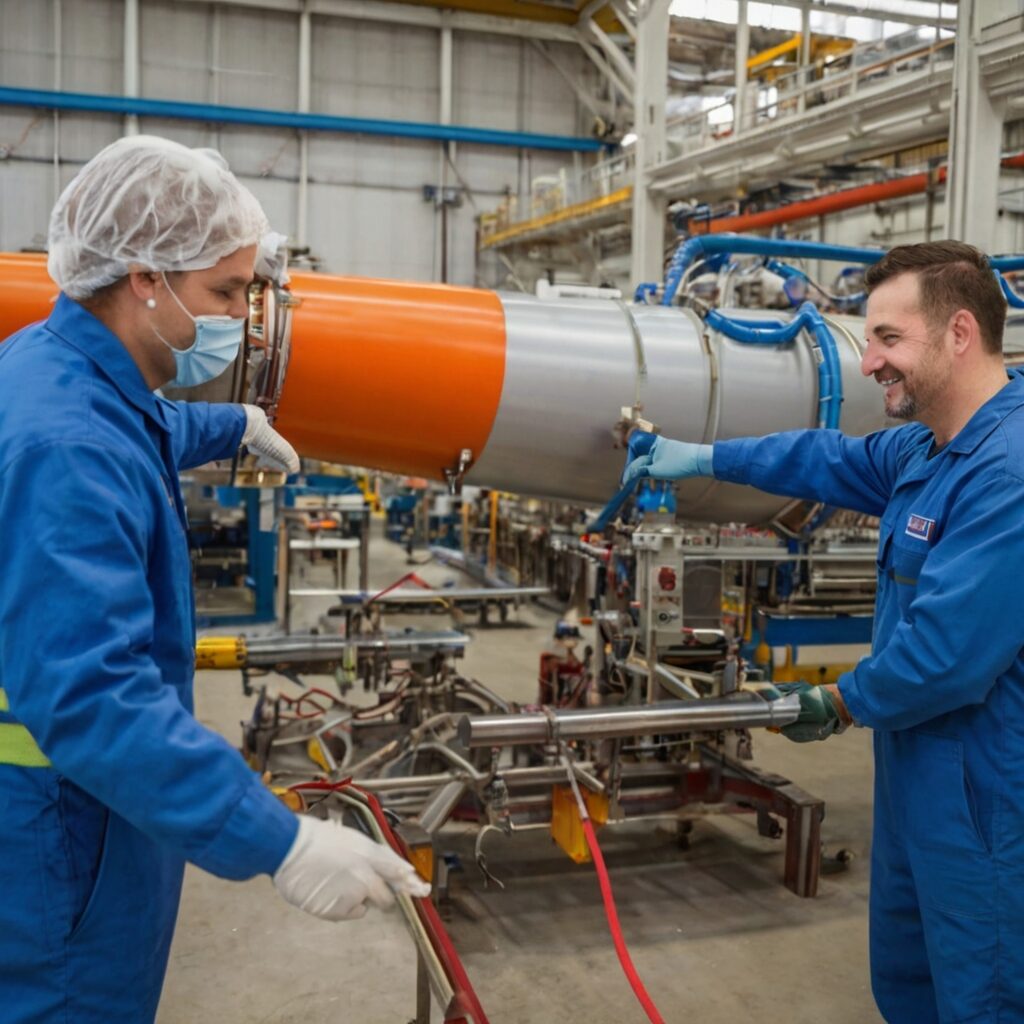
Why Clean and Safe Operations Are a Basic Factory RequirementEvery factory regardless of size or industry depends on clean and safe operations to function smoothly Cleanliness and safety are not optional improvements but daily necessities that affect productivity worker health equipment life and compliance Unsafe or unclean environments lead to accidents downtime and higher operating costs Factories that focus on clean and safe operations build stronger foundations for consistent and reliable performance The Link Between Clean Operations and Workplace SafetyClean operations directly influence safety Dust spills cluttered floors and uncontrolled material movement increase the risk of slips injuries and equipment failure When factories maintain clean work areas hazards are easier to identify and control Clean and safe operations reduce unexpected incidents and create a more stable working environment for employees Controlling Dust to Maintain Safe Factory ConditionsDust is one of the most common threats to factory safety and cleanliness It affects air quality visibility and worker health Clean and safe operations require dust to be controlled at the source Enclosed material handling proper extraction and controlled transfer points significantly reduce airborne particles When dust is minimized factories become healthier safer and easier to maintain Reducing Manual Handling to Improve Daily SafetyManual lifting and repetitive handling are major causes of workplace injuries Clean and safe operations depend on reducing these risks By automating material movement and using controlled handling methods factories lower strain on workers Fewer manual tasks mean fewer injuries more consistent processes and safer daily operations Organized Layouts Support Clean and Safe OperationsFactory layouts play a critical role in maintaining clean and safe operations Clear walkways defined material routes and minimal clutter reduce accidents and simplify cleaning Organized layouts improve visibility and movement allowing workers to operate confidently Clean layouts are easier to monitor inspect and maintain over time Why Enclosed Handling Supports Clean OperationsOpen handling methods allow materials to spill and spread dust across work areas Enclosed handling keeps materials contained from start to finish This approach protects both workers and equipment Clean and safe operations are easier to sustain when material flow is controlled and exposure is minimized Protecting Equipment Through Clean PracticesEquipment exposed to dust and spillage wears faster and becomes unsafe to operate Clean and safe operations protect machines by reducing buildup and contamination Cleaner equipment runs more efficiently requires less emergency maintenance and creates safer conditions during servicing Daily Cleaning Becomes Easier With Preventive MeasuresConstant cleaning is time consuming and costly Clean and safe operations focus on prevention rather than correction When material loss and dust generation are controlled daily cleaning becomes faster and more effective Preventive practices reduce labor effort while maintaining consistent cleanliness across shifts Compliance Depends on Clean and Safe OperationsRegulatory requirements emphasize hygiene safety and environmental control Factories with clean and safe operations are easier to audit and less likely to face penalties Controlled dust levels organized workflows and safe handling practices help meet compliance standards without major disruptions The Role of Material Handling in Factory SafetyMaterial handling sits at the center of factory cleanliness and safety How materials move determines dust levels spill frequency and worker exposure Clean and safe operations depend on selecting handling methods that reduce risk and maintain control across the entire process How Rajath Material Handling Systems Pvt Ltd Supports Clean and Safe OperationsAchieving clean and safe operations requires practical engineering and real world experience Rajath Material Handling Systems Pvt Ltd designs material handling solutions that reduce dust minimize manual handling and support organized workflows Each system is created to solve everyday factory challenges and help maintain long term cleanliness and safety without unnecessary complexity Long Term Benefits of Clean and Safe Factory OperationsFactories that prioritize clean and safe operations experience fewer accidents lower maintenance costs better employee morale and improved productivity Clean environments protect product quality and extend equipment life Safety focused operations also build trust with workers customers and regulators Building a Culture Around Clean and Safe OperationsSystems alone are not enough People and processes complete the picture Training clear procedures and regular reviews help sustain clean and safe operations When workers understand the value of cleanliness and safety it becomes part of daily factory culture rather than a forced rule Conclusion Clean and Safe Operations Are Essential for Every FactoryEvery factory needs clean and safe operations to protect workers maintain productivity and ensure long term stability Simple practices such as dust control reduced manual handling organized layouts and preventive material handling make a measurable difference With expert support from Rajath Material Handling Systems Pvt Ltd factories can build environments that are safer cleaner and more efficient every day

Every Factory Needs Clean and Safe Operations Read More »

Simple Ways to Keep Factories Clean and Safe

Why Factory Cleanliness and Safety Matter Every DayFactories operate with constant movement of materials machines and people Cleanliness and safety are not one time efforts but daily requirements that directly affect productivity compliance and worker health Unsafe or dirty environments lead to accidents downtime material loss and regulatory issues Maintaining clean and safe factories requires practical systems clear processes and consistent execution Simple improvements when applied correctly create long term impact across operations Understanding the Common Causes of Unsafe and Unclean FactoriesMost factory safety and cleanliness issues come from dust spillage manual handling poor material flow and cluttered layouts When materials are moved through open methods dust spreads into the air spills accumulate on floors and workers are exposed to unnecessary risk Over time these issues compound making factories harder to manage and more expensive to operate Addressing root causes is the first step toward cleaner and safer factories Improve Material Flow to Reduce Safety RisksDisorganized material movement creates congestion and hazards When materials move through multiple manual steps the chances of spills and accidents increase Streamlining material flow using enclosed and controlled transfer methods reduces exposure and improves overall safety Clean material flow paths make factories easier to manage and significantly reduce daily risks Control Dust at the Source for Cleaner FactoriesDust is one of the biggest contributors to unsafe and unhealthy factory environments It affects air quality equipment performance and worker health Simple dust control measures such as enclosed material transfer proper extraction points and sealed handling processes drastically reduce airborne particles Clean air leads to safer working conditions and lowers cleaning effort across the plant Reduce Manual Handling to Improve SafetyManual lifting and handling are major causes of workplace injuries Replacing repetitive manual tasks with automated or assisted material movement reduces strain and fatigue Simple changes like automated transfer systems and controlled feeding reduce worker exposure to heavy loads This not only improves safety but also increases consistency and efficiency Maintain Clear and Organized Factory LayoutsCluttered work areas increase accident risks and slow down operations Keeping walkways clear organizing material routes and minimizing unnecessary transfer points improves both cleanliness and safety Clean layouts allow easier inspection faster cleaning and safer movement for workers Simple layout planning plays a powerful role in long term factory safety Use Enclosed Material Handling for Cleaner OperationsOpen handling methods allow materials to escape into the surrounding environment Enclosed handling keeps materials contained from start to finish This approach minimizes spills dust and contamination Clean operations become easier to maintain and equipment stays in better condition Enclosed systems are one of the simplest and most effective ways to keep factories clean and safe Protect Equipment to Improve Workplace SafetyDust buildup and material spillage shorten equipment life and create safety hazards Clean equipment operates more reliably and requires less emergency maintenance Preventing dust exposure through proper handling systems reduces breakdowns and improves safety during servicing Cleaner equipment means fewer unexpected stoppages and safer maintenance tasks Improve Daily Cleaning Through PreventionFrequent cleaning is necessary but prevention reduces the need for constant cleanup When material loss is controlled and dust generation is minimized daily cleaning becomes faster and more effective Preventive measures save time reduce labor effort and maintain consistent cleanliness across shifts Clean factories are easier to manage when problems are prevented rather than corrected Support Compliance Through Clean and Safe PracticesRegulatory standards focus heavily on worker safety hygiene and environmental control Clean and safe factories are easier to audit and maintain compliance Simple improvements in material handling dust control and workflow organization help meet regulatory requirements without complex changes Consistent cleanliness supports long term compliance and reduces inspection stress Why Material Handling Systems Play a Key RoleMaterial handling is central to factory safety and cleanliness How materials move determines dust levels spill frequency and worker exposure Choosing the right handling approach simplifies daily operations and reduces risk Well designed systems support cleaner safer factories by controlling material movement at every stage How Rajath Material Handling Systems Pvt Ltd Helps Factories ImproveAchieving clean and safe factories requires experience and practical design Rajath Material Handling Systems Pvt Ltd focuses on engineering material handling solutions that reduce dust minimize manual handling and support organized workflows Each solution is designed to solve real factory challenges rather than adding complexity This approach helps factories maintain cleanliness and safety consistently Long Term Benefits of Cleaner and Safer FactoriesFactories that prioritize cleanliness and safety experience fewer accidents lower maintenance costs better worker morale and higher productivity Clean environments improve equipment life and product quality Safety focused operations build trust with employees and regulators Simple improvements create long lasting operational stability Building a Culture of Cleanliness and SafetySystems alone are not enough People processes and discipline complete the solution Training workers maintaining standards and reviewing workflows regularly ensures long term success Clean and safe factories result from continuous attention not one time changes When systems and people work together results become sustainable Conclusion Simple Actions Create Safer Cleaner FactoriesKeeping factories clean and safe does not require complicated solutions Simple steps such as controlling dust improving material flow reducing manual handling and maintaining organized layouts create significant impact With the right material handling approach and expert support from Rajath Material Handling Systems Pvt Ltd factories can achieve cleaner safer and more efficient operations that support long term growth

Simple Ways to Keep Factories Clean and Safe Read More »

Why Pneumatic Conveying Systems Are Chosen for Expansion Ready Plants

The Need for Expansion Ready Plants in Modern ManufacturingManufacturing plants today must be designed with growth in mind Market demand shifts quickly production volumes increase unexpectedly and new product lines are added more frequently than ever Expansion ready plants are those that can scale without disrupting operations Pneumatic conveying systems are chosen for expansion ready plants because they allow material handling to grow alongside production without requiring major structural changes or long shutdowns How Pneumatic Conveying Systems Support Future Focused Plant DesignExpansion ready plants rely on systems that are flexible adaptable and easy to extend Pneumatic conveying systems transport bulk materials through enclosed pipelines using controlled air flow This design allows plants to modify routes increase capacity or connect new equipment without rebuilding existing infrastructure Pneumatic conveying systems fit naturally into future focused plant layouts where scalability is a core requirement Why Pneumatic Conveying Systems Simplify Plant ExpansionTraditional mechanical conveyors often limit expansion because they are fixed in layout and capacity Pneumatic conveying systems simplify expansion by allowing pipeline extensions airflow adjustments and modular upgrades When new silos machines or processing lines are added pneumatic conveying systems can be extended with minimal disruption This ease of modification is a key reason pneumatic conveying systems are chosen for expansion ready plants Flexible Layouts That Grow with Production NeedsExpansion ready plants must adapt to space constraints and evolving workflows Pneumatic conveying systems move materials vertically horizontally and over long distances without complex mechanical assemblies This flexibility enables plants to expand within the same footprint or integrate new areas seamlessly Pneumatic conveying systems support organized layouts that remain efficient even as production capacity increases Supporting Automation During Plant ExpansionAutomation plays a major role in scalable manufacturing Pneumatic conveying systems integrate smoothly with automated processing and packaging equipment As plants expand and add automated lines pneumatic conveying systems maintain consistent material supply without manual intervention This compatibility ensures that automation continues to perform efficiently during and after expansion making pneumatic conveying systems ideal for growth oriented facilities Maintaining Process Stability While Scaling UpExpansion often introduces instability in material flow which can affect product quality Pneumatic conveying systems provide controlled and uniform conveying conditions even at higher throughputs This stability allows plants to scale production while maintaining consistency Pneumatic conveying systems help expansion ready plants grow without compromising process reliability or output quality Reducing Downtime During Upgrades and ExpansionOne of the biggest challenges during expansion is downtime Pneumatic conveying systems reduce downtime because upgrades and extensions can be completed with limited impact on ongoing operations Pipeline additions and airflow changes are faster compared to installing new mechanical conveyors Pneumatic conveying systems allow plants to expand while keeping production running Lower Space and Structural Impact for Growing PlantsExpansion ready plants often operate in space limited environments Pneumatic conveying systems require less floor space compared to traditional conveyors Since pipelines can be routed overhead or around existing equipment plants avoid costly structural modifications Pneumatic conveying systems enable expansion without overcrowding production areas Cleaner Operations That Scale with ExpansionAs plants grow dust and spillage can increase rapidly Pneumatic conveying systems maintain enclosed material transfer which keeps operations clean even at higher production volumes Cleaner environments reduce cleaning time equipment wear and safety risks Pneumatic conveying systems ensure that cleanliness scales along with plant expansion Energy Efficient Growth with Pneumatic Conveying SystemsExpansion ready plants must control operating costs as production increases Pneumatic conveying systems are engineered to optimize airflow and pressure allowing energy use to scale efficiently Properly designed pneumatic conveying systems support growth without excessive increases in power consumption making them suitable for long term expansion strategies Why Expansion Ready Plants Choose Rajath Material Handling Systems Pvt LtdDesigning for expansion requires experience and forward planning Rajath Material Handling Systems Pvt Ltd engineers pneumatic conveying systems with future growth in mind Each system is designed to meet current production needs while allowing room for expansion This approach ensures that plants remain flexible scalable and efficient as business demands evolve Long Term Value of Pneumatic Conveying Systems in Growing PlantsBeyond immediate expansion benefits pneumatic conveying systems deliver long term value Reduced maintenance lower material loss stable operation and adaptability all contribute to sustainable growth Pneumatic conveying systems help plants invest once and scale many times without repeated infrastructure changes Future Ready Manufacturing with Pneumatic Conveying SystemsExpansion ready plants are built for the future Pneumatic conveying systems align with modern manufacturing goals including automation efficiency and scalability Their ability to evolve with production makes pneumatic conveying systems a strategic choice for manufacturers planning long term growth Conclusion Why Pneumatic Conveying Systems Fit Expansion Ready PlantsPneumatic conveying systems are chosen for expansion ready plants because they enable flexible layouts easy capacity increases stable material flow and minimal disruption during growth With expertly engineered solutions from Rajath Material Handling Systems Pvt Ltd pneumatic conveying systems provide manufacturers with the confidence to expand efficiently while maintaining performance quality and control

Why Pneumatic Conveying Systems Are Chosen for Expansion Ready Plants Read More »

Why Pneumatic Conveying Systems Are Essential for Scalable Manufacturing

Why Scalability Has Become a Core Manufacturing RequirementManufacturing growth today is no longer linear Product demand fluctuates batch sizes change and production lines expand faster than ever Scalability determines whether a factory can respond to market needs without disrupting operations Pneumatic conveying systems are essential for scalable manufacturing because they allow material handling to grow adapt adapt and expand without rebuilding the entire plant By enabling flexible controlled and automated material transfer pneumatic conveying systems support manufacturers at every stage of growth How Pneumatic Conveying Systems Support Scalable Manufacturing ModelsScalable manufacturing depends on systems that can increase capacity without introducing inefficiencies Pneumatic conveying systems transport bulk powders and granules through enclosed pipelines using air pressure or vacuum This approach allows material flow rates to be adjusted easily as production increases Unlike fixed mechanical conveyors pneumatic conveying systems scale through airflow control pipeline extensions and modular design This makes pneumatic conveying systems a natural fit for scalable manufacturing environments Why Pneumatic Conveying Systems Allow Easy Capacity ExpansionWhen production volumes increase traditional material handling often becomes a bottleneck Pneumatic conveying systems eliminate this limitation by allowing manufacturers to increase throughput without replacing the entire system Changes in blower capacity pipeline routing or feed control can support higher material volumes Pneumatic conveying systems therefore enable scalable manufacturing by growing with production demands rather than restricting them Flexible Layouts That Enable Manufacturing GrowthScalable manufacturing requires adaptable plant layouts Pneumatic conveying systems offer unmatched flexibility by moving materials vertically horizontally and over long distances without fixed mechanical structures This allows manufacturers to add new machines silos or process lines without redesigning material handling Pneumatic conveying systems integrate seamlessly into expanding facilities making them essential for scalable manufacturing operations Why Pneumatic Conveying Systems Support Automation at ScaleAutomation is central to scalable manufacturing Pneumatic conveying systems integrate directly with automated equipment ensuring continuous material supply as production lines multiply Automated lines rely on consistent feed rates and timing Pneumatic conveying systems deliver predictable material flow that scales alongside automation This compatibility ensures that as factories automate further pneumatic conveying systems continue to support efficiency and control Consistency That Protects Quality During Scale UpScaling production often introduces quality risks Variations in material flow lead to defects downtime and rework Pneumatic conveying systems maintain consistent conveying conditions even at higher volumes This stability ensures that scaling up does not compromise product quality Manufacturers rely on pneumatic conveying systems to protect consistency while expanding output Reducing Operational Disruption During ExpansionManufacturing expansion often causes downtime during installation or upgrades Pneumatic conveying systems minimize disruption because they can be modified or extended with minimal interference to existing operations Pipeline additions and airflow adjustments can be made while keeping production running Pneumatic conveying systems support scalable manufacturing by enabling growth without costly shutdowns Lower Labor Dependency as Manufacturing ScalesAs production scales labor requirements often increase Pneumatic conveying systems reduce dependence on manual handling by automating bulk material transfer This allows manufacturers to scale output without proportionally increasing labor costs Pneumatic conveying systems therefore support scalable manufacturing by improving efficiency while controlling workforce expansion Cleaner Operations That Scale with ProductionAs manufacturing scales dust and spillage can quickly become unmanageable Pneumatic conveying systems maintain enclosed material transfer which keeps production areas clean even at higher volumes Cleaner operations reduce cleanup time equipment wear and unplanned stoppages Pneumatic conveying systems ensure that cleanliness and efficiency scale together with production Energy Efficient Scaling with Pneumatic Conveying SystemsScalable manufacturing must also remain energy efficient Pneumatic conveying systems are engineered to optimize airflow pressure and velocity allowing energy use to increase proportionally rather than exponentially Well designed pneumatic conveying systems scale efficiently without creating excessive power consumption making them suitable for long term growth strategies Why Pneumatic Conveying Systems Reduce Long Term CostsScalability is not only about growth but also cost control Pneumatic conveying systems reduce material loss maintenance frequency and downtime over time Their enclosed design prevents waste while fewer exposed moving parts lower maintenance costs Pneumatic conveying systems help manufacturers scale sustainably without escalating operational expenses Why Manufacturers Trust Rajath Material Handling Systems Pvt LtdScalable manufacturing requires precise engineering and future ready design Rajath Material Handling Systems Pvt Ltd designs pneumatic conveying systems with scalability built into every solution Each system is engineered based on current production needs and future expansion plans ensuring long term adaptability Manufacturers trust these pneumatic conveying systems to support growth without performance compromise Future Ready Manufacturing with Pneumatic Conveying SystemsAs industries move toward smart factories modular production and data driven operations pneumatic conveying systems remain essential Their ability to integrate with automation maintain consistency and expand effortlessly makes pneumatic conveying systems a cornerstone of future ready manufacturing Scalability is no longer optional and pneumatic conveying systems provide the foundation to achieve it Conclusion Why Pneumatic Conveying Systems Enable Scalable ManufacturingPneumatic conveying systems are essential for scalable manufacturing because they allow capacity expansion flexible layouts consistent quality automated integration and cost controlled growth With expertly engineered solutions from Rajath Material Handling Systems Pvt Ltd pneumatic conveying systems empower manufacturers to scale confidently efficiently and sustainably while meeting modern production demands

Why Pneumatic Conveying Systems Are Essential for Scalable Manufacturing Read More »

How Pneumatic Conveying Systems Improve Process Efficiency in Factories

Why Process Efficiency Matters in Modern FactoriesFactories today operate under constant pressure to increase output reduce waste and maintain consistent quality Process efficiency is no longer a competitive advantage but a requirement Any delay material loss or inconsistency directly impacts cost and delivery timelines Pneumatic conveying systems have become a core solution because they streamline bulk material movement while supporting automation cleanliness and reliability By redesigning how materials travel inside factories pneumatic conveying systems play a direct role in improving overall process efficiency How Pneumatic Conveying Systems Change Material Flow Inside FactoriesTraditional material handling often depends on open conveyors manual transfer points and multiple handling stages These methods slow down production and increase errors Pneumatic conveying systems move powders and granules through enclosed pipelines using controlled air pressure or vacuum This creates a continuous predictable material flow By eliminating interruptions and manual handling pneumatic conveying systems improve process efficiency in factories from the first transfer point to final discharge Reducing Process Delays with Pneumatic Conveying SystemsProcess delays commonly occur during loading unloading and transfer stages Pneumatic conveying systems reduce these delays by enabling automated material movement without stoppages Materials are conveyed directly between process equipment silos and packaging lines This uninterrupted flow allows machines to operate at optimal speed Pneumatic conveying systems therefore remove bottlenecks that traditionally slow factory operations Why Pneumatic Conveying Systems Improve Production ConsistencyConsistency is essential for efficient manufacturing Variations in material feed rates cause quality issues rework and downtime Pneumatic conveying systems deliver controlled and uniform material flow which stabilizes downstream processes This consistency helps machines run smoothly with fewer adjustments Factories rely on pneumatic conveying systems to maintain steady output and predictable production cycles Minimizing Material Loss Through Pneumatic Conveying SystemsMaterial loss directly reduces process efficiency Spillage dusting and segregation are common in open handling methods Pneumatic conveying systems minimize these losses by keeping materials enclosed throughout transport Reduced spillage means less cleanup less waste and better yield Pneumatic conveying systems help factories convert more raw material into finished product without loss Improving Automation Efficiency with Pneumatic Conveying SystemsAutomation depends on reliable material supply Pneumatic conveying systems integrate seamlessly with automated production lines ensuring continuous feeding of materials Without consistent supply automated equipment cannot perform efficiently Pneumatic conveying systems support automation by maintaining flow accuracy and timing This integration improves process efficiency by reducing idle time and maximizing equipment utilization Lower Manual Intervention and Faster OperationsManual handling slows down production and introduces variability Pneumatic conveying systems reduce the need for manual intervention by automating material transfer Operators focus on monitoring and control rather than physical handling This shift improves speed accuracy and safety Pneumatic conveying systems allow factories to run faster with fewer human related delays Cleaner Operations That Support Efficient ProductionDust accumulation and spillage interrupt operations and require frequent cleaning Pneumatic conveying systems improve process efficiency by keeping production areas clean Enclosed pipelines prevent dust release which reduces cleaning time and unplanned shutdowns Cleaner environments allow equipment to operate continuously without contamination related stoppages Pneumatic conveying systems therefore support higher uptime and smoother factory workflows Flexibility That Enhances Process EfficiencyFactory layouts often change due to expansion or process optimization Pneumatic conveying systems offer flexibility by adapting to new routes elevations and distances without major structural changes This adaptability allows factories to improve layouts without disrupting operations Pneumatic conveying systems support process efficiency by accommodating growth and layout optimization with minimal downtime Reducing Maintenance Related DowntimeMaintenance interruptions significantly impact efficiency Pneumatic conveying systems have fewer exposed moving parts compared to mechanical conveyors This reduces wear breakdowns and maintenance frequency Cleaner material transfer also means less buildup on equipment Pneumatic conveying systems help factories maintain consistent operations with fewer maintenance related stoppages Energy Efficient Design That Supports Cost Effective ProcessesEfficient processes must also be energy conscious Modern pneumatic conveying systems are engineered to optimize airflow pressure and velocity This ensures materials move efficiently without unnecessary energy consumption Well designed pneumatic conveying systems balance performance with power usage helping factories achieve efficient operations without increasing energy costs Why Industries Trust Rajath Material Handling Systems Pvt LtdProcess efficiency depends on system design and application expertise Rajath Material Handling Systems Pvt Ltd designs pneumatic conveying systems tailored to specific factory requirements Each solution is engineered based on material properties throughput goals and layout constraints This customized approach ensures pneumatic conveying systems deliver real efficiency improvements in day to day factory operations Long Term Process Efficiency BenefitsBeyond immediate performance gains pneumatic conveying systems deliver long term efficiency benefits Reduced waste lower labor dependency stable production flow and scalable design all contribute to sustainable factory operations Pneumatic conveying systems help factories adapt to future demands without sacrificing efficiency or control The Role of Pneumatic Conveying Systems in Future Ready FactoriesAs factories move toward smart manufacturing and data driven operations pneumatic conveying systems remain a critical foundation Their ability to support automation cleanliness and scalability makes pneumatic conveying systems essential for future ready production environments Efficient material handling is no longer optional and pneumatic conveying systems continue to define best practices in factory efficiency Conclusion How Pneumatic Conveying Systems Improve Factory EfficiencyPneumatic conveying systems improve process efficiency in factories by streamlining material flow reducing delays minimizing waste supporting automation and lowering downtime With expertly engineered solutions from Rajath Material Handling Systems Pvt Ltd pneumatic conveying systems enable factories to operate faster cleaner and more consistently while meeting modern manufacturing demands

How Pneumatic Conveying Systems Improve Process Efficiency in Factories Read More »

Why Pneumatic Conveying Systems Are Designed for Modern Manufacturing Needs

The Shift in Manufacturing DemandsModern manufacturing environments demand higher efficiency cleaner operations better safety and consistent material flow Traditional bulk handling methods struggle to meet these expectations as production volumes increase and quality standards tighten Pneumatic conveying systems are specifically designed to address these evolving requirements By enabling enclosed automated and controlled material movement pneumatic conveying systems align perfectly with the needs of today’s manufacturing plants How Modern Manufacturing Has Redefined Material HandlingManufacturing plants today focus on automation precision and scalability Manual handling and open conveyors introduce inefficiencies contamination risks and operational delays Pneumatic conveying systems support modern manufacturing by creating streamlined material transfer processes that integrate seamlessly with automated production lines This shift is why pneumatic conveying systems are no longer optional but essential in advanced manufacturing setups Why Pneumatic Conveying Systems Suit Automated Production LinesAutomation is a core feature of modern manufacturing Pneumatic conveying systems complement automation by ensuring continuous material supply without manual intervention Materials move predictably from storage to processing to packaging Pneumatic conveying systems maintain steady flow rates which helps automated equipment operate without interruptions This reliability makes pneumatic conveying systems ideal for high output manufacturing environments Enclosed Design That Matches Clean Manufacturing StandardsClean production environments are a priority in modern manufacturing especially in food pharmaceuticals and specialty chemicals Pneumatic conveying systems use enclosed pipelines that prevent external contamination and material exposure This design supports hygiene standards and reduces cleaning effort Pneumatic conveying systems help manufacturers maintain controlled environments without compromising throughput Flexibility Built for Modern Plant LayoutsModern manufacturing plants are designed for space optimization and efficient workflow Pneumatic conveying systems offer unmatched layout flexibility allowing materials to move vertically horizontally and over long distances without complex mechanical structures This adaptability allows manufacturers to design compact organized plants Pneumatic conveying systems fit seamlessly into both new facilities and existing plant upgrades Why Pneumatic Conveying Systems Support Consistent Product QualityConsistency is critical in modern manufacturing Variations in material flow can lead to defects downtime and waste Pneumatic conveying systems provide controlled conveying conditions that protect material integrity By reducing segregation degradation and contamination pneumatic conveying systems help manufacturers maintain uniform product quality across production batches Reduced Downtime Through Smart Pneumatic Conveying SystemsDowntime is costly in modern manufacturing Pneumatic conveying systems have fewer exposed moving parts compared to mechanical conveyors This reduces wear and unexpected failures Cleaner operation also means less buildup and fewer stoppages for cleaning Pneumatic conveying systems are designed to support continuous production with minimal maintenance interruptions Energy Efficiency for Sustainable ManufacturingModern manufacturing places strong emphasis on energy efficiency and sustainability Pneumatic conveying systems are engineered to optimize airflow pressure and velocity which reduces unnecessary power consumption Well designed pneumatic conveying systems balance performance with energy use helping manufacturers meet sustainability goals while maintaining productivity Safety Features Aligned with Modern Manufacturing NeedsWorkplace safety standards continue to evolve Pneumatic conveying systems support safer manufacturing by reducing manual handling and limiting worker exposure to dust and moving equipment Enclosed material transfer lowers accident risks Pneumatic conveying systems are designed to create safer work environments that comply with modern safety expectations Scalability That Supports Manufacturing GrowthManufacturing operations must be able to scale without major disruption Pneumatic conveying systems are modular and adaptable making future expansion easier Whether increasing capacity adding new process lines or changing material types pneumatic conveying systems can be modified without redesigning the entire plant This scalability is a major reason pneumatic conveying systems suit modern manufacturing needs Why Manufacturers Choose Rajath Material Handling Systems Pvt LtdThe success of pneumatic conveying systems depends on engineering expertise and application knowledge Rajath Material Handling Systems Pvt Ltd designs pneumatic conveying systems specifically for modern manufacturing challenges Each system is customized based on material characteristics plant layout and production goals ensuring reliable performance and long term value Future Ready Manufacturing with Pneumatic Conveying SystemsAs manufacturing continues to evolve toward smart factories automation and data driven operations pneumatic conveying systems will remain a foundational component Their ability to integrate with modern equipment maintain clean operations and support scalability makes pneumatic conveying systems future ready solutions for manufacturers Conclusion Why Pneumatic Conveying Systems Match Modern Manufacturing NeedsPneumatic conveying systems are designed for modern manufacturing needs because they support automation cleanliness flexibility safety and scalability With expertly engineered solutions from Rajath Material Handling Systems Pvt Ltd pneumatic conveying systems enable manufacturers to build efficient reliable and future focused production environments.

Why Pneumatic Conveying Systems Are Designed for Modern Manufacturing Needs Read More »

How Pneumatic Conveying Systems Improve Plant Safety and Cleanliness

Why Plant Safety and Cleanliness Are Critical in Modern IndustriesIndustrial plants handling powders and granules operate in environments where safety and cleanliness directly influence productivity compliance and reputation Pneumatic conveying systems have become essential because they address the most common risks associated with bulk material movement By enclosing material transfer and automating flow pneumatic conveying systems help plants reduce hazards improve air quality and maintain organized production spaces This shift is not about convenience but about creating safer cleaner and more reliable industrial operations How Pneumatic Conveying Systems Work Inside Industrial PlantsPneumatic conveying systems transport bulk materials through pipelines using controlled air pressure or vacuum Unlike open conveyors pneumatic conveying systems keep materials sealed from intake to discharge This enclosed movement is the foundation of how pneumatic conveying systems improve plant safety and cleanliness By removing exposed transfer points pneumatic conveying systems prevent dust release spillage and accidental contact with moving materials How Pneumatic Conveying Systems Improve Plant SafetyPlant safety risks often arise from manual handling exposed equipment and airborne dust Pneumatic conveying systems reduce these risks by minimizing human interaction with bulk materials Operators no longer need to lift heavy loads or work near open conveyors Pneumatic conveying systems automate transfer which lowers the chance of injuries slips and accidental spills This is a major reason industries adopt pneumatic conveying systems to create safer working conditions Reducing Dust Exposure with Pneumatic Conveying SystemsDust is one of the biggest threats to both safety and cleanliness Pneumatic conveying systems control dust at the source by preventing material drops and open handling The smooth flow inside pipelines reduces particle dispersion and keeps dust contained Pneumatic conveying systems significantly improve air quality which protects workers from respiratory issues and supports healthier plant environments Why Pneumatic Conveying Systems Improve Plant CleanlinessCleanliness in industrial plants is often compromised by spillage and airborne particles Pneumatic conveying systems eliminate these problems by maintaining fully enclosed material transfer Since materials do not escape into surrounding areas floors equipment and work zones remain cleaner Pneumatic conveying systems reduce cleaning frequency and help plants maintain consistent housekeeping standards without extra labor Minimizing Manual Handling Through Pneumatic Conveying SystemsManual handling increases the risk of contamination errors and injuries Pneumatic conveying systems automate bulk material movement which reduces dependence on manual processes Fewer touchpoints mean fewer chances for contamination and accidents Pneumatic conveying systems allow operators to focus on monitoring and control rather than physical handling which enhances both safety and cleanliness across the plant Protecting Product Quality with Pneumatic Conveying SystemsPlant cleanliness is closely linked to product quality Pneumatic conveying systems protect materials from moisture foreign particles and human contact Because the conveying path is sealed materials remain consistent and uncontaminated Pneumatic conveying systems also maintain uniform flow which prevents segregation and degradation This makes pneumatic conveying systems ideal for industries that demand strict quality control Flexible Layouts That Support Safer PlantsIndustrial plants often require materials to move across long distances and multiple levels Pneumatic conveying systems adapt easily to complex layouts without creating cluttered transfer points This flexibility keeps walkways clear and reduces obstruction related hazards Cleaner layouts are easier to maintain and safer to operate Pneumatic conveying systems therefore support both efficient space use and improved plant safety Lower Maintenance and Cleaner EquipmentEquipment exposed to dust buildup requires frequent maintenance and cleaning Pneumatic conveying systems keep materials contained which reduces contamination of surrounding machinery Cleaner equipment experiences less wear and fewer breakdowns Maintenance tasks become safer because technicians are not exposed to excessive dust Pneumatic conveying systems support long term reliability while maintaining a clean plant environment Supporting Compliance Through Pneumatic Conveying SystemsRegulatory standards related to hygiene safety and emissions are becoming stricter Pneumatic conveying systems help plants meet these requirements by reducing dust emissions and improving containment Cleaner and safer plants are easier to audit and maintain compliance Pneumatic conveying systems provide built in support for regulatory expectations without complex modifications Why Industries Choose Rajath Material Handling Systems Pvt LtdThe performance of pneumatic conveying systems depends on precise engineering and application expertise Rajath Material Handling Systems Pvt Ltd designs pneumatic conveying systems that align with real plant conditions Each solution is customized to material type layout and operational goals ensuring maximum safety and cleanliness Industries trust these pneumatic conveying systems for consistent performance and long term value Long Term Benefits of Pneumatic Conveying SystemsBeyond immediate safety and cleanliness improvements pneumatic conveying systems deliver lasting operational advantages Reduced material loss lower cleaning costs improved worker health and stable production flow all contribute to efficiency Pneumatic conveying systems also support scalability allowing plants to expand without compromising safety or cleanliness The Future of Safer and Cleaner PlantsAs industries move toward automation and sustainability pneumatic conveying systems will continue to play a central role Their ability to combine enclosed transfer dust control and operational flexibility makes pneumatic conveying systems a core component of modern plant design Investing in pneumatic conveying systems is a proactive step toward safer cleaner and more resilient industrial operations Conclusion How Pneumatic Conveying Systems Transform Plant OperationsPneumatic conveying systems improve plant safety and cleanliness by reducing dust minimizing manual handling protecting product quality and supporting regulatory compliance With expertly engineered solutions from Rajath Material Handling Systems Pvt Ltd pneumatic conveying systems enable industries to create work environments that prioritize safety cleanliness and long term performance

How Pneumatic Conveying Systems Improve Plant Safety and Cleanliness Read More »

Why Pneumatic Conveying Systems Improve Cleanliness and Safety at Plants

The Rising Importance of Cleanliness and Safety in Industrial PlantsIndustrial plants today operate under intense pressure to deliver higher productivity while maintaining strict safety and cleanliness standards Bulk material handling directly affects air quality worker health equipment life and product integrity Pneumatic conveying systems have emerged as a preferred solution because they address these challenges at their source By redesigning how materials move inside a plant pneumatic conveying systems help industries achieve cleaner and safer working environments without compromising efficiency How Pneumatic Conveying Systems Transform Bulk Material HandlingTraditional bulk handling methods often involve open conveyors buckets and manual transfer points These processes expose materials to the environment and release dust into production areas Pneumatic conveying systems operate using controlled air flow to transport powders and granules through enclosed pipelines This enclosed method is the foundation of why pneumatic conveying systems make plants cleaner and safer By eliminating open handling stages pneumatic conveying systems reduce spillage contamination and uncontrolled dust release Why Pneumatic Conveying Systems Improve Plant CleanlinessCleanliness is a critical requirement in modern plants especially in food pharmaceutical and chemical industries Pneumatic conveying systems maintain clean environments by keeping materials fully enclosed from intake to discharge Because there are no exposed transfer points airborne dust is significantly reduced This leads to cleaner floors cleaner equipment and improved housekeeping standards Pneumatic conveying systems also reduce the need for frequent cleaning which saves time and lowers operational costs How Pneumatic Conveying Systems Reduce Dust at the SourceDust generation usually occurs during material drops impacts and open transfers Pneumatic conveying systems eliminate these conditions by providing smooth continuous movement inside pipelines Controlled air velocity ensures materials flow gently without excessive turbulence This design minimizes dust creation and prevents particles from escaping into the surrounding environment As a result pneumatic conveying systems help plants maintain better air quality and reduce health risks associated with dust exposure Pneumatic Conveying Systems and Worker SafetyWorker safety improves significantly when pneumatic conveying systems replace manual and mechanical handling methods Open systems often require operators to work near moving parts lift heavy loads or manage spills Pneumatic conveying systems reduce these hazards by automating material movement and minimizing human interaction Workers are less exposed to dust heavy lifting and accidental contact with equipment This is a key reason why pneumatic conveying systems make plants cleaner and safer for employees Reducing Manual Handling Through Pneumatic Conveying SystemsManual handling increases the risk of injuries errors and contamination Pneumatic conveying systems automate bulk material transfer which reduces dependence on manual labor Fewer human touchpoints mean fewer opportunities for accidents and product contamination Pneumatic conveying systems create a safer workflow where operators focus on monitoring and control rather than physical handling This shift supports both cleanliness and safety across plant operations Protecting Product Quality with Pneumatic Conveying SystemsClean plants are closely linked to product quality Pneumatic conveying systems protect materials from moisture foreign particles and human contact Because materials remain sealed throughout the conveying process product purity is preserved Controlled conveying conditions also prevent segregation and degradation This makes pneumatic conveying systems ideal for industries that demand consistent quality while maintaining cleaner and safer plants Flexible Design That Supports Safer Plant LayoutsEvery industrial plant has unique layout challenges Pneumatic conveying systems can transport materials vertically horizontally and over long distances without requiring multiple transfer points This flexibility allows plants to maintain organized layouts with fewer exposed areas Cleaner layouts are easier to maintain and inherently safer Pneumatic conveying systems therefore support better space utilization while contributing to cleaner and safer plant environments Lower Maintenance and Cleaner Equipment with Pneumatic Conveying SystemsEquipment exposed to dust buildup experiences faster wear and frequent breakdowns Pneumatic conveying systems keep materials contained which reduces contamination of surrounding machinery Cleaner equipment requires less maintenance and fewer shutdowns Maintenance tasks are also safer because technicians are not exposed to heavy dust accumulation Pneumatic conveying systems help plants achieve long term reliability while maintaining cleanliness and safety Pneumatic Conveying Systems and Regulatory ComplianceIndustrial regulations related to hygiene safety and emissions continue to become more stringent Pneumatic conveying systems help plants comply with these regulations by limiting dust emissions and improving containment Cleaner and safer plants are easier to audit and maintain compliance Pneumatic conveying systems provide built in support for regulatory requirements without the need for excessive add on controls Why Rajath Material Handling Systems Pvt Ltd Is Trusted by IndustriesThe effectiveness of pneumatic conveying systems depends on expert engineering and proper system design Rajath Material Handling Systems Pvt Ltd specializes in designing pneumatic conveying systems tailored to specific plant needs Each system is engineered to optimize airflow containment and safety ensuring reliable performance in real world conditions Industries trust these pneumatic conveying systems to deliver cleaner and safer plant operations over the long term Long Term Benefits of Pneumatic Conveying Systems for PlantsBeyond immediate cleanliness and safety improvements pneumatic conveying systems deliver long term value Reduced product loss lower cleaning costs improved worker health and consistent material flow all contribute to operational efficiency Pneumatic conveying systems also support future expansion because they can be adapted to changing production requirements without major structural changes The Future of Cleaner and Safer Plants with Pneumatic Conveying SystemsAs industries move toward automation sustainability and higher safety standards pneumatic conveying systems will continue to play a central role Their ability to combine cleanliness safety flexibility and efficiency makes pneumatic conveying systems a foundational component of modern plant design Investing in pneumatic conveying systems is an investment in long term operational excellence Conclusion Why Pneumatic Conveying Systems Are Essential for Modern PlantsPneumatic conveying systems make plants cleaner and safer by controlling dust reducing manual handling protecting product quality and supporting regulatory compliance With expertly engineered solutions from Rajath Material Handling Systems Pvt Ltd pneumatic conveying systems enable industries to build environments that prioritize safety cleanliness and performance while meeting the demands of modern manufacturing.

Why Pneumatic Conveying Systems Improve Cleanliness and Safety at Plants Read More »

Why Pneumatic Conveying Systems Support Cleaner and Safer Industrial Plants

The Growing Need for Cleaner and Safer Industrial PlantsModern industrial plants are under constant pressure to maintain high safety standards while ensuring clean and controlled production environments Bulk material handling plays a major role in determining workplace safety air quality and product integrity Pneumatic conveying systems have emerged as a trusted solution because they directly address dust control contamination risks and operator safety By redesigning how materials move inside plants pneumatic conveying systems help industries achieve cleaner and safer industrial plants without disrupting productivity How Pneumatic Conveying Systems Change Traditional Material HandlingTraditional bulk handling methods rely heavily on open conveyors manual transfer points and exposed equipment These methods often lead to dust spread spillage and unsafe working conditions Pneumatic conveying systems work differently by transporting powders and granules through enclosed pipelines using controlled air flow This enclosed approach is the foundation of why pneumatic conveying systems support cleaner and safer industrial plants across multiple sectors Cleaner Industrial Plants Through Enclosed Pneumatic Conveying SystemsCleanliness is one of the strongest advantages of pneumatic conveying systems Since materials travel inside sealed pipelines there is minimal opportunity for dust to escape into the production environment Pneumatic conveying systems significantly reduce airborne particles around processing areas This directly improves housekeeping standards and supports cleaner and safer industrial plants especially in food pharmaceutical and chemical facilities Why Pneumatic Conveying Systems Improve Workplace SafetySafety risks increase when workers are exposed to dust spills and manual lifting Pneumatic conveying systems reduce these risks by automating material transfer and eliminating open handling points Workers no longer need to manually move bulk materials or operate near exposed conveyors This is a key reason why pneumatic conveying systems support cleaner and safer industrial plants with fewer accidents and health hazards Dust Control Benefits of Pneumatic Conveying SystemsDust is one of the biggest threats to both cleanliness and safety Pneumatic conveying systems control dust at the source by preventing material drops impacts and open transfers Smooth material flow inside pipelines minimizes dust generation Pneumatic conveying systems therefore help industrial plants maintain clean air quality while protecting workers from respiratory exposure Protecting Product Quality While Supporting Cleaner PlantsCleaner plants are not only about the environment but also about the product Pneumatic conveying systems protect materials from external contamination moisture and human contact Controlled conveying conditions maintain material consistency and reduce segregation This makes pneumatic conveying systems essential for industries that demand both product purity and cleaner and safer industrial plants Reduced Manual Handling with Pneumatic Conveying SystemsManual handling introduces errors contamination and injury risks Pneumatic conveying systems reduce the need for manual intervention by creating fully automated material movement paths Fewer human touchpoints lead to safer operations and cleaner processes This automation is one of the reasons pneumatic conveying systems are widely adopted in modern industrial plants Flexible Design That Keeps Industrial Plants OrganizedComplex plant layouts often require materials to move vertically horizontally and across long distances Pneumatic conveying systems adapt easily to these requirements without creating cluttered transfer points Clean organized layouts are easier to maintain and safer to operate Pneumatic conveying systems help industrial plants stay organized while supporting cleaner and safer industrial plants overall Lower Maintenance and Cleaner EquipmentEquipment exposed to dust and spillage requires frequent cleaning and maintenance Pneumatic conveying systems reduce equipment contamination because materials remain enclosed Less buildup means fewer shutdowns and safer maintenance activities Cleaner equipment directly contributes to cleaner and safer industrial plants with improved uptime Regulatory Compliance Made Simpler with Pneumatic Conveying SystemsIndustrial regulations related to safety hygiene and emissions continue to tighten Pneumatic conveying systems help plants meet these requirements by limiting dust emissions and improving containment Cleaner and safer industrial plants are easier to audit and maintain compliance when pneumatic conveying systems are in place Why Industries Trust Rajath Material Handling Systems Pvt LtdThe effectiveness of pneumatic conveying systems depends on proper engineering and execution Rajath Material Handling Systems Pvt Ltd designs pneumatic conveying systems that are tailored to real plant conditions Each solution focuses on safety cleanliness efficiency and long term reliability helping clients build cleaner and safer industrial plants with confidence Long Term Benefits of Pneumatic Conveying SystemsBeyond immediate safety improvements pneumatic conveying systems deliver long term operational value Reduced material loss lower cleaning costs improved worker health and consistent performance all contribute to sustainable plant operations Pneumatic conveying systems are not just equipment investments but strategic tools for building cleaner and safer industrial plants Conclusion Why Pneumatic Conveying Systems Are Essential for Modern PlantsPneumatic conveying systems support cleaner and safer industrial plants by controlling dust reducing manual handling protecting product quality and improving compliance With expertly engineered solutions from Rajath Material Handling Systems Pvt Ltd pneumatic conveying systems enable industries to create work environments that are efficient responsible and future ready.

Why Pneumatic Conveying Systems Support Cleaner and Safer Industrial Plants Read More »

Why Manufacturing Plants Fail to Control Dust Effectively

Dust Control Fails Because It Is Treated as a Cleanup TaskMany manufacturing plants struggle with dust because it is viewed as a housekeeping issue rather than a process engineering challenge. Floors are swept equipment is wiped and temporary fixes are applied whenever dust becomes visible. This approach only addresses surface symptoms while ignoring the source of the problem. Dust in manufacturing environments is generated continuously during conveying transfer mixing filling and unloading. Without engineered control, dust will always return. This is why plants that rely on cleaning instead of Industrial Dust Extraction Systems fail to achieve long term dust control. At Rajath Material Handling Systems Pvt Ltd, dust is addressed at its origin, not after it spreads. Lack of Source Level Dust CaptureOne of the primary reasons manufacturing plants fail to control dust effectively is the absence of source level capture. Dust is released most heavily at transfer points bag dumping stations filling spouts and discharge outlets. If dust escapes at these points, no amount of downstream ventilation or cleaning can prevent plant wide contamination. Industrial Dust Extraction Systems are designed to capture dust exactly where it is generated. Plants that skip this step inevitably face recurring dust issues regardless of how much effort they put into cleanup. Over Reliance on General VentilationMany factories depend on roof ventilators exhaust fans or open airflow to manage dust. While these methods move air, they do not remove dust efficiently. Fine particles remain suspended and are often redistributed across the facility. This creates the illusion of dust control while allowing contamination to spread. Industrial Dust Extraction Systems work differently by actively pulling dust into filters before it becomes airborne throughout the plant. Without proper extraction, ventilation alone cannot deliver effective dust control. Incorrect System Design and UndersizingEven when dust extraction systems are present, poor design often causes failure. Undersized fans incorrect duct velocity poor hood placement and unsuitable filter selection lead to weak dust capture. High dust manufacturing environments quickly overwhelm systems that are not engineered for real dust loads. Effective Industrial Dust Extraction Systems require accurate airflow calculations dust load analysis and proper filtration design. Rajath Material Handling Systems Pvt Ltd focuses on engineering precision to ensure systems perform reliably under continuous operating conditions. Failure to Integrate Dust Control With ProcessesDust control is often added after equipment installation as a corrective measure rather than designed into the process. This results in compromised performance due to layout constraints and airflow imbalance. Integrated Industrial Dust Extraction Systems work in harmony with conveying filling and unloading equipment, delivering far better capture efficiency. Plants that fail to integrate dust control from the start struggle to achieve consistent results. Ignoring the Impact on Equipment and MaintenanceDust does not only affect cleanliness; it damages equipment. Fine particles infiltrate motors bearings sensors and electrical panels causing overheating wear and malfunction. Manufacturing plants that ignore dust control experience frequent breakdowns rising maintenance costs and unplanned downtime. Industrial Dust Extraction Systems protect equipment by preventing dust accumulation across the facility. Plants without proper extraction often underestimate how much dust contributes to equipment failure. Underestimating Health and Safety RisksDust exposure is a serious health concern. Workers in dusty environments experience respiratory discomfort fatigue and reduced concentration. Certain dust types also pose fire and explosion risks. Manufacturing plants that fail to control dust effectively place their workforce at risk, leading to absenteeism lower morale and potential safety incidents. Industrial Dust Extraction Systems are essential for maintaining breathable air and safe working conditions in high dust operations. Compliance Challenges Caused by Poor Dust ControlRegulatory bodies increasingly focus on airborne dust levels and indoor air quality. Plants with poor dust control often struggle during inspections and audits. Temporary measures rarely meet compliance requirements. Properly designed Industrial Dust Extraction Systems provide measurable and consistent dust control that supports long term compliance. Plants that neglect extraction face penalties operational restrictions and reputational damage. Lack of Long Term PlanningMany manufacturing plants implement dust control solutions without considering future growth or process changes. As production increases dust generation rises, overwhelming existing systems. Industrial Dust Extraction Systems must be designed with scalability in mind to maintain effectiveness over time. Plants that fail to plan for growth often see dust problems return even after investing in basic extraction. Why Experience Matters in Dust Control EngineeringEffective dust control requires practical knowledge of material behavior airflow dynamics and industrial processes. Generic solutions rarely work in real world conditions. Rajath Material Handling Systems Pvt Ltd brings decades of experience in designing Industrial Dust Extraction Systems tailored to specific applications. Their approach ensures dust control solutions perform reliably day after day rather than delivering short term relief. Conclusion Effective Dust Control Requires Engineered SolutionsManufacturing plants fail to control dust effectively because they rely on cleaning ventilation or poorly designed systems instead of engineered solutions. Dust must be captured at the source using properly designed Industrial Dust Extraction Systems integrated into the process. By addressing dust as an engineering challenge and partnering with experienced specialists like Rajath Material Handling Systems Pvt Ltd, manufacturers can achieve cleaner air safer workplaces protected equipment and stable long term operations.

Why Manufacturing Plants Fail to Control Dust Effectively Read More »

Scroll to Top