
In today’s industrial scenario, efficient material handling is of great importance to carry out operations in a smooth and efficient manner. Industries that handle materials such as powder, granules, and solids often face problems such as powder generation, material loss, and a complex layout of the system. To overcome such problems, industries are adopting a smart and efficient solution for material handling, namely pneumatic conveying systems.
In this guide, you will learn about what a pneumatic conveying system is, how it works, its types, and its benefits, and why it is widely used in industries.
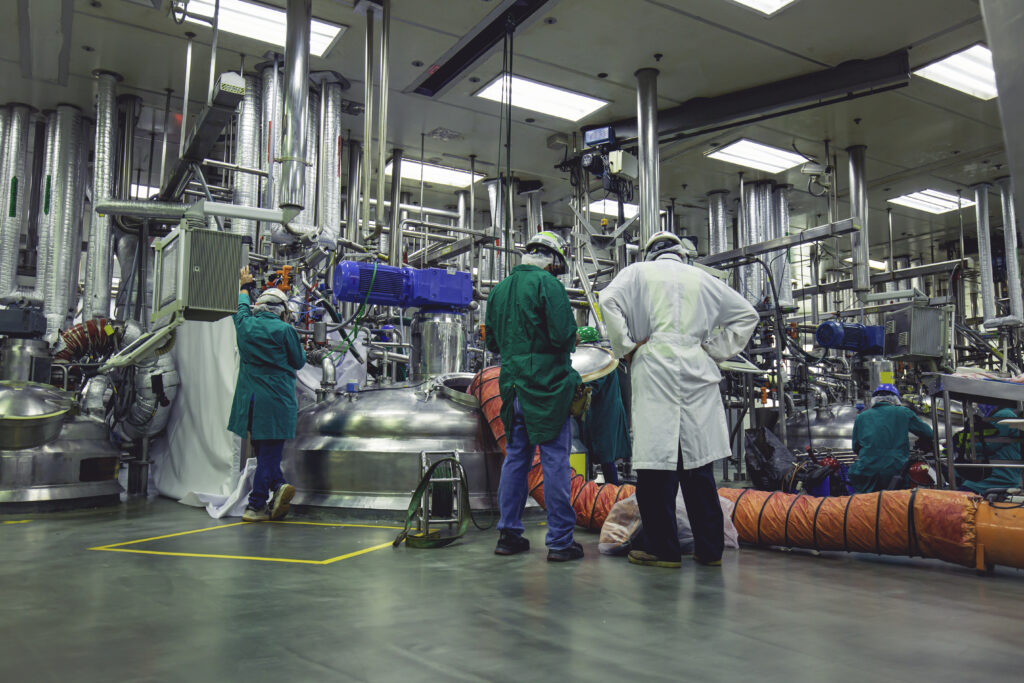
What is a Pneumatic Conveying System?
A pneumatic conveying system is a system of transporting materials in bulk by using air or a gas current in a closed tube system. Instead of using mechanical elements such as belts and screws, a pneumatic system uses air pressure or a vacuum to transfer materials from one point to another.
Since the entire system is closed, a pneumatic system is an efficient and clean way of transferring materials such as powder, granules, and solids.
How Pneumatic Conveying Systems Work
The mechanism of working of pneumatic conveying systems is quite simple yet effective.
First, there is the blower, which blows air through the conveying pipe. Then, the material is fed into the pipe through feeders like rotary valves and venturi injectors.
As the air blows through the pipe, it carries the material along with it. The distance to be covered and even the height to be reached depend on the design and arrangement.
At last, the material is separated from the air at the other end through devices like cyclone separators and bag filters. The clean air is released, and the material is ready to be collected.
Types of Pneumatic Conveying Systems
Pneumatic conveying systems are broadly classified into two types:
- Dilute Phase Conveying
As the name suggests, in this method, the material is suspended in the air and blown through the conveying pipe. The material is suspended as it moves through the pipe.
This method is best for transporting lightweight and non-abrasive materials over long distances.
- Dense Phase Conveying
The dense phase conveying method makes use of lower air speeds and higher pressures. The product is moved in a dense form, often in “slug” form.
This method is best employed when moving fragile, abrasive, and heavy products, as product damage is minimal.
Key Components of a Pneumatic Conveying System
A pneumatic conveying system consists of various key components, and all the components work together to ensure that the system operates efficiently.
- The key components include:
- Blower or Compressor: Produces the airflow necessary for conveying
- Feeding Device: Introduces the product to the system
- Pipelines: Transport the product through the system
- Cyclone Separator or Filters: Separates the product from the airflow at the reception point
- Dust Collection System: Ensures clean airflow
All the components are crucial to the success and efficiency of the system.
Advantages of Pneumatic Conveying Systems
Clean and Dust-Free Operation
One of the major advantages of using the pneumatic conveying method is that it is clean and dust-free. The fact that the product is moved through closed tubes means that there is no chance of dust being released to the environment.
This means that industries can operate in a clean environment.
Flexible System Design
The design of pneumatic conveying systems is highly flexible, meaning that the pipes can be designed to go around other equipment without the need to change the structure of the building.
Therefore, it is highly recommended for use in places where space is limited.
Efficient Long-Distance Transport
The system can be used to transport materials over long distances, both horizontally and vertically.
Therefore, it plays a crucial role in the streamlining of production systems.
Low Maintenance Requirements
The pneumatic system has fewer moving parts compared to other systems, like mechanical conveyors.
Therefore, it requires minimal maintenance, ensuring a long lifespan.
Improved Safety
The system ensures a high level of safety for workers, as it minimizes dust and manual handling.
Applications Across Various Industries
The pneumatic conveying system is used in a number of industries due to its flexibility.
- Food Industry: Transporting flour, sugar, spices, and grains
- Pharmaceutical Industry: Transporting fine powders safely and hygienically
- Chemical Industry: Transporting bulk powders and raw materials
- Plastic Industry: Transporting granules and pellets
The system is highly recommended for use due to the efficiency it offers in the transportation of different materials, making it a crucial aspect of modern industry.
Choosing the Right Pneumatic Conveying System
Selecting the right system depends on several factors, including:
- Type of material (powder, granule, abrasive, fragile)
- Required conveying distance
- Plant layout and space availability
- Desired capacity and speed
- Dust control and safety requirements
By evaluating these factors, industries can choose a system that meets their specific operational needs.
Conclusion
Pneumatic conveying systems have become a key solution for efficient bulk material handling in modern industries. Their ability to transport materials in a clean, flexible, and reliable manner makes them a preferred choice over traditional conveying methods.
From improving efficiency and reducing material loss to ensuring safe and dust-free operations, pneumatic conveying systems offer numerous benefits for industries handling powders and granules.
As manufacturing continues to evolve, investing in the right pneumatic conveying system can help businesses enhance productivity, maintain quality standards, and stay competitive in today’s industrial landscape.