
In today’s competitive industrial landscape, efficiency, safety, and precision are more important than ever. Whether it’s handling powders, granules, or bulk solids, industries require reliable systems that can streamline operations and reduce downtime. As manufacturing continues to evolve, businesses are increasingly adopting complete material handling solutions to meet growing production demands.
From conveying and packaging to unloading and dust control, integrated systems are transforming how industries manage bulk materials. In this article, we explore what complete material handling solutions involve and why they are essential for modern industries.
What Are Complete Material Handling Solutions?
Complete material handling solutions refer to a combination of technologies and systems designed to manage the movement, storage, control, and protection of materials throughout the production process.
Instead of relying on separate, disconnected systems, industries now prefer integrated solutions that work together seamlessly. These solutions typically include:
- Pneumatic conveying systems
- Big bag filling systems
- Big bag unloading systems
- Dust extraction systems
By combining these technologies, manufacturers can create a fully automated and efficient material handling process.
The Need for Modern Material Handling Systems
Traditional material handling methods often involve manual labor and mechanical systems that can be inefficient and prone to errors. As a result, industries may face issues such as material loss, dust pollution, and inconsistent production.
However, modern material handling systems address these challenges effectively. They offer automation, precision, and flexibility, allowing industries to optimize their operations and improve overall productivity.
Moreover, with increasing focus on workplace safety and environmental standards, adopting advanced material handling solutions has become a necessity rather than an option.
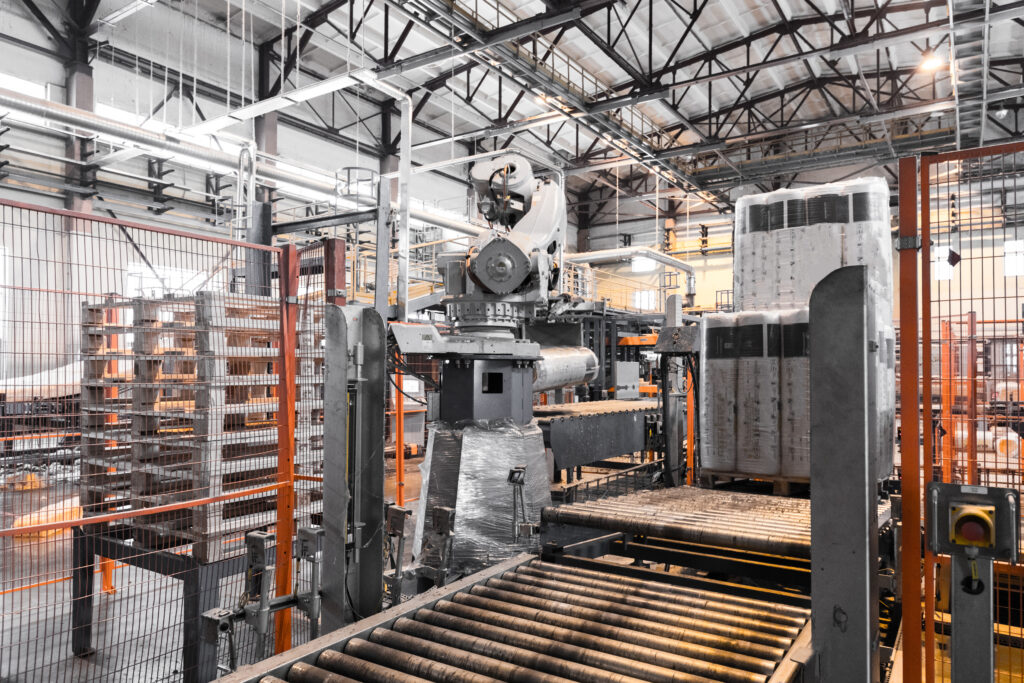
Key Components of Complete Material Handling Solutions
Pneumatic Conveying Systems
Pneumatic conveying systems use air pressure or vacuum to transport bulk materials through enclosed pipelines. This method ensures dust-free and efficient transfer of powders and granules across different sections of a plant.
Because of their flexibility, these systems can be easily integrated into complex plant layouts.
Big Bag Filling Systems
Big bag filling systems are used to package bulk materials into large bags (FIBC) with high accuracy. These systems ensure consistent filling, reduce material loss, and maintain a clean working environment.
As a result, industries can handle large volumes of materials efficiently and safely.
Big Bag Unloading Systems
Big bag unloading systems are designed to discharge materials from jumbo bags in a controlled manner. These systems prevent material spillage and ensure smooth flow, especially when handling powders or difficult materials.
Additionally, they often include dust control features to maintain cleanliness during the unloading process.
Dust Extraction Systems
Dust extraction systems play a critical role in maintaining air quality within industrial facilities. By capturing airborne particles at the source, these systems help create a safer and cleaner work environment.
Furthermore, they ensure compliance with environmental and safety regulations.
Benefits of Integrated Material Handling Solutions
Improved Operational Efficiency
When all material handling processes are integrated, operations become more streamlined. Materials move smoothly from one stage to another without delays or interruptions.
Reduced Material Loss
Enclosed systems and precise control mechanisms minimize spillage and wastage. Consequently, industries can improve their overall yield and reduce costs.
Enhanced Workplace Safety
Automation reduces the need for manual handling, which lowers the risk of workplace injuries. In addition, dust control systems improve air quality and protect workers from harmful particles.
Better Product Quality
Maintaining clean and controlled environments ensures that materials remain uncontaminated. This is especially important in industries such as food and pharmaceuticals.
Flexibility and Scalability
Modern material handling systems can be customized to meet specific operational requirements. As production needs grow, these systems can be scaled up without major disruptions.
Applications Across Industries
Complete material handling solutions are widely used in various industries:
- Food Industry: Handling ingredients like flour, sugar, and spices
- Pharmaceutical Industry: Managing fine powders under strict hygiene conditions
- Chemical Industry: Transporting and packaging bulk chemicals
- Plastic Industry: Handling granules and pellets efficiently
Because of their versatility, these solutions are suitable for any industry dealing with bulk materials.
Conclusion
As industries continue to modernize, the need for efficient and reliable material handling systems becomes increasingly important. Complete Material Handling Solutions for Modern Industries offer a comprehensive approach by integrating conveying, filling, unloading, and dust control systems into one streamlined process.
By adopting these advanced solutions, businesses can improve efficiency, enhance safety, and maintain high-quality standards. Ultimately, investing in complete material handling systems is a strategic step toward achieving long-term industrial success in today’s competitive market.