
Industrial Air Quality Is No Longer a Secondary Issue
For many manufacturing plants, industrial air quality has traditionally been treated as a housekeeping or maintenance concern rather than an operational priority. Floors are cleaned, filters are replaced occasionally, and general ventilation is expected to handle the rest. However, this approach no longer supports modern manufacturing demands. Ignoring industrial air quality creates hidden operational issues that slowly affect productivity, safety, equipment reliability, and long term business performance. This is why Industrial Dust Extraction Systems have become a core requirement in today’s manufacturing environments. At Rajath Material Handling Systems Pvt Ltd, air quality is addressed as a critical part of operational engineering, not an afterthought.
How Poor Air Quality Disrupts Daily Operations
When industrial air quality is compromised, its impact is felt across every shift. Fine airborne dust circulates continuously, settling on machines, control panels, floors, and finished products. Operators spend more time cleaning than producing, and workflows become slower and less predictable. Small interruptions caused by dust buildup gradually turn into frequent stoppages. Without properly engineered Industrial Dust Extraction Systems, these daily disruptions become normalised, reducing overall operational efficiency.
The Direct Effect on Equipment Performance and Reliability
Dust is one of the most damaging contaminants for industrial equipment. Fine particles enter motors, bearings, sensors, drives, and electrical panels, causing overheating, abrasion, and inaccurate readings. Over time, machines fail more frequently, and maintenance schedules become reactive instead of planned. Spare parts consumption increases, and equipment life shortens significantly. Industrial Dust Extraction Systems protect critical machinery by removing airborne dust before it settles, ensuring stable performance and long term reliability.
Increased Maintenance Costs and Unplanned Downtime
Ignoring industrial air quality leads to higher maintenance costs that are often overlooked during budgeting. Dust related failures require frequent cleaning, part replacement, and emergency repairs. Maintenance teams are forced to focus on firefighting issues instead of improving plant performance. Unplanned downtime becomes more common, directly affecting production targets and delivery commitments. Properly designed Industrial Dust Extraction Systems reduce dust accumulation across the facility, lowering maintenance frequency and improving uptime consistency.
Safety Risks Created by Poor Industrial Air Quality
Airborne dust poses serious safety risks in manufacturing environments. Reduced visibility increases the likelihood of accidents, while slippery dust settled on floors raises the risk of slips and falls. In many industries, certain dust types are combustible, creating fire and explosion hazards when allowed to accumulate. Worker exposure to airborne particles also leads to respiratory discomfort, fatigue, and long term health concerns. Industrial Dust Extraction Systems are essential for maintaining safe breathable air and reducing workplace hazards that directly impact operational stability.
The Hidden Impact on Workforce Productivity and Morale
Workers operating in dusty environments experience discomfort, irritation, and reduced concentration. Over time, this affects productivity, increases absenteeism, and lowers morale. Skilled operators are less likely to stay in facilities where working conditions feel unsafe or unhealthy. Clean air contributes to a more professional, comfortable, and productive workplace. By implementing effective Industrial Dust Extraction Systems, manufacturers create environments where employees can perform consistently and confidently.
Quality and Process Consistency Are Also Affected
Industrial air quality has a direct influence on product quality. Airborne dust settles into raw materials, processing zones, and packaging areas, leading to contamination and quality deviations. Inconsistent air conditions can also affect weighing accuracy, batching precision, and process stability. These issues result in rework, material loss, and customer complaints. Industrial Dust Extraction Systems help maintain controlled environments where process consistency and product quality can be sustained over time.
Compliance and Audit Challenges From Poor Air Control
Environmental and workplace safety regulations increasingly focus on airborne dust and indoor air quality. Plants that ignore industrial air quality often struggle during audits and inspections. Temporary fixes such as extra cleaning or portable fans rarely satisfy regulatory expectations. Non compliance can lead to penalties, production restrictions, or reputational damage. Industrial Dust Extraction Systems provide measurable and consistent air quality control that supports long term regulatory compliance and audit readiness.
Why General Ventilation Cannot Solve Operational Air Issues
General ventilation systems are designed to move air, not remove dust effectively. They dilute contaminants but allow fine particles to remain suspended and spread across the plant. This creates the illusion of airflow without actually solving the dust problem. Long term operational stability requires capturing dust at its point of generation. Industrial Dust Extraction Systems are engineered for source level dust capture at transfer points, filling stations, conveying interfaces, and discharge zones, delivering reliable and lasting results.
Long Term Financial Impact of Ignoring Air Quality
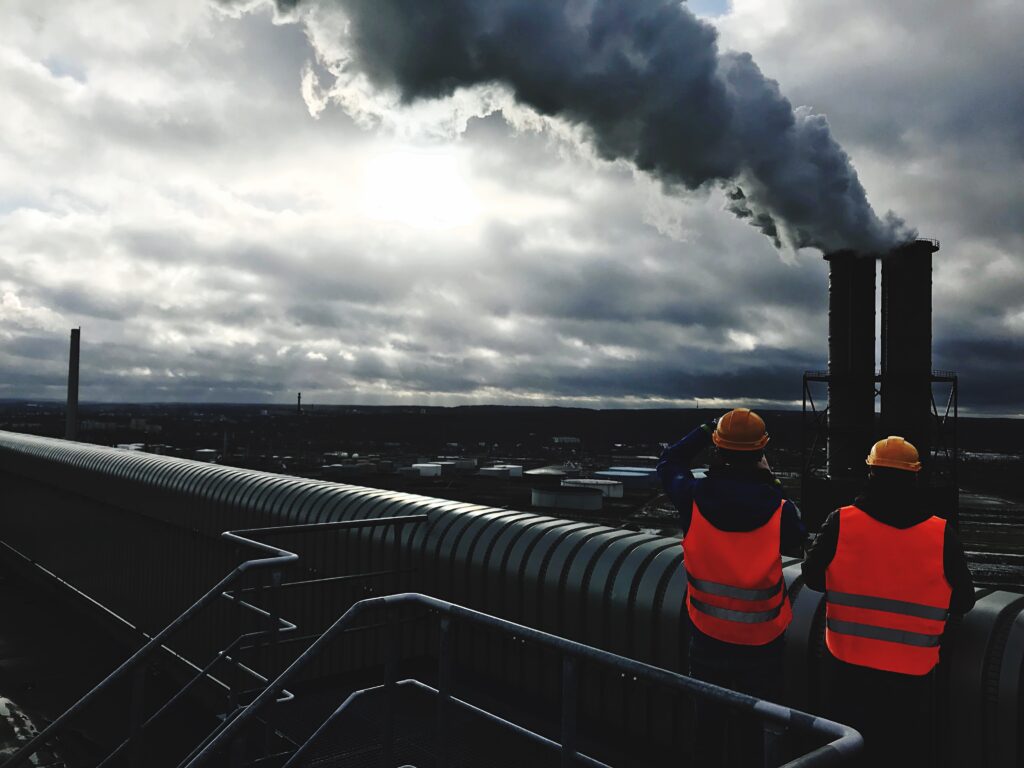
The financial impact of poor industrial air quality accumulates quietly over time. Increased maintenance costs, higher energy usage, downtime, equipment replacement, compliance penalties, and productivity loss all contribute to reduced profitability. These recurring costs often exceed the investment required for proper extraction solutions. Industrial Dust Extraction Systems reduce these hidden expenses by stabilizing operations and protecting assets, making them a long term cost control strategy rather than an added expense.
Why Integrated Dust Extraction Delivers Better Operational Results
Dust control works best when it is integrated into material handling and processing systems from the design stage. When extraction is added later, performance is often compromised by layout constraints and airflow imbalance. Industrial Dust Extraction Systems integrated with conveying, filling, and unloading equipment deliver superior capture efficiency and operational reliability. Rajath Material Handling Systems Pvt Ltd specializes in integrated solutions that address air quality challenges at their source.
Conclusion Ignoring Air Quality Undermines Operational Success
Industrial air quality directly influences safety, productivity, equipment reliability, compliance, and long term cost control. Ignoring it creates compounding operational problems that grow more severe over time. Industrial Dust Extraction Systems are essential for maintaining clean air and stable operations in modern manufacturing plants. By partnering with Rajath Material Handling Systems Pvt Ltd, manufacturers can eliminate airborne dust issues, protect their operations, and build facilities designed for long term operational success.