
Dust Control Fails Because It Is Treated as a Cleanup Task
Many manufacturing plants struggle with dust because it is viewed as a housekeeping issue rather than a process engineering challenge. Floors are swept equipment is wiped and temporary fixes are applied whenever dust becomes visible. This approach only addresses surface symptoms while ignoring the source of the problem. Dust in manufacturing environments is generated continuously during conveying transfer mixing filling and unloading. Without engineered control, dust will always return. This is why plants that rely on cleaning instead of Industrial Dust Extraction Systems fail to achieve long term dust control. At Rajath Material Handling Systems Pvt Ltd, dust is addressed at its origin, not after it spreads.
Lack of Source Level Dust Capture
One of the primary reasons manufacturing plants fail to control dust effectively is the absence of source level capture. Dust is released most heavily at transfer points bag dumping stations filling spouts and discharge outlets. If dust escapes at these points, no amount of downstream ventilation or cleaning can prevent plant wide contamination. Industrial Dust Extraction Systems are designed to capture dust exactly where it is generated. Plants that skip this step inevitably face recurring dust issues regardless of how much effort they put into cleanup.
Over Reliance on General Ventilation
Many factories depend on roof ventilators exhaust fans or open airflow to manage dust. While these methods move air, they do not remove dust efficiently. Fine particles remain suspended and are often redistributed across the facility. This creates the illusion of dust control while allowing contamination to spread. Industrial Dust Extraction Systems work differently by actively pulling dust into filters before it becomes airborne throughout the plant. Without proper extraction, ventilation alone cannot deliver effective dust control.
Incorrect System Design and Undersizing
Even when dust extraction systems are present, poor design often causes failure. Undersized fans incorrect duct velocity poor hood placement and unsuitable filter selection lead to weak dust capture. High dust manufacturing environments quickly overwhelm systems that are not engineered for real dust loads. Effective Industrial Dust Extraction Systems require accurate airflow calculations dust load analysis and proper filtration design. Rajath Material Handling Systems Pvt Ltd focuses on engineering precision to ensure systems perform reliably under continuous operating conditions.
Failure to Integrate Dust Control With Processes
Dust control is often added after equipment installation as a corrective measure rather than designed into the process. This results in compromised performance due to layout constraints and airflow imbalance. Integrated Industrial Dust Extraction Systems work in harmony with conveying filling and unloading equipment, delivering far better capture efficiency. Plants that fail to integrate dust control from the start struggle to achieve consistent results.
Ignoring the Impact on Equipment and Maintenance
Dust does not only affect cleanliness; it damages equipment. Fine particles infiltrate motors bearings sensors and electrical panels causing overheating wear and malfunction. Manufacturing plants that ignore dust control experience frequent breakdowns rising maintenance costs and unplanned downtime. Industrial Dust Extraction Systems protect equipment by preventing dust accumulation across the facility. Plants without proper extraction often underestimate how much dust contributes to equipment failure.
Underestimating Health and Safety Risks
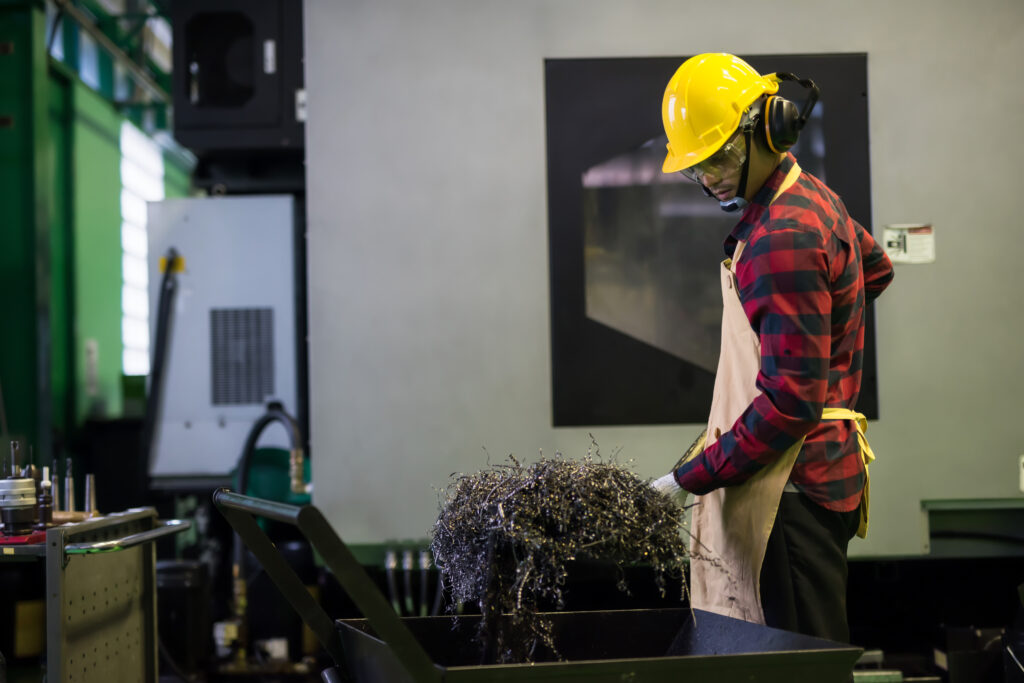
Dust exposure is a serious health concern. Workers in dusty environments experience respiratory discomfort fatigue and reduced concentration. Certain dust types also pose fire and explosion risks. Manufacturing plants that fail to control dust effectively place their workforce at risk, leading to absenteeism lower morale and potential safety incidents. Industrial Dust Extraction Systems are essential for maintaining breathable air and safe working conditions in high dust operations.
Compliance Challenges Caused by Poor Dust Control
Regulatory bodies increasingly focus on airborne dust levels and indoor air quality. Plants with poor dust control often struggle during inspections and audits. Temporary measures rarely meet compliance requirements. Properly designed Industrial Dust Extraction Systems provide measurable and consistent dust control that supports long term compliance. Plants that neglect extraction face penalties operational restrictions and reputational damage.
Lack of Long Term Planning
Many manufacturing plants implement dust control solutions without considering future growth or process changes. As production increases dust generation rises, overwhelming existing systems. Industrial Dust Extraction Systems must be designed with scalability in mind to maintain effectiveness over time. Plants that fail to plan for growth often see dust problems return even after investing in basic extraction.
Why Experience Matters in Dust Control Engineering
Effective dust control requires practical knowledge of material behavior airflow dynamics and industrial processes. Generic solutions rarely work in real world conditions. Rajath Material Handling Systems Pvt Ltd brings decades of experience in designing Industrial Dust Extraction Systems tailored to specific applications. Their approach ensures dust control solutions perform reliably day after day rather than delivering short term relief.
Conclusion Effective Dust Control Requires Engineered Solutions
Manufacturing plants fail to control dust effectively because they rely on cleaning ventilation or poorly designed systems instead of engineered solutions. Dust must be captured at the source using properly designed Industrial Dust Extraction Systems integrated into the process. By addressing dust as an engineering challenge and partnering with experienced specialists like Rajath Material Handling Systems Pvt Ltd, manufacturers can achieve cleaner air safer workplaces protected equipment and stable long term operations.