
Why Workplace Control Becomes Critical During Expansion
High capacity production expansion is a positive milestone for any industrial facility, but it also introduces operational pressure that can quickly disrupt workplace control. As output rises, material movement intensifies, equipment runs longer hours, and teams operate under tighter schedules. Without structured oversight, growth can create congestion, dust accumulation, workflow instability, and safety risks. Maintaining workplace control during high capacity production expansion requires proactive systems that grow alongside production demands.
The Operational Risks of Expanding Capacity Too Quickly
When facilities scale output rapidly, existing processes are often stretched beyond their original design limits. Transfer points handle higher volumes, storage areas fill faster, and cleaning cycles shorten. These changes can compromise safety and cleanliness if controls are not strengthened. Maintaining workplace control during high capacity production expansion means identifying these stress points early and reinforcing operational stability before issues escalate.
Stabilizing Material Flow as Production Grows
One of the most effective ways to maintain workplace control is through predictable and contained material flow. Unmanaged material transfer leads to spillage, clutter, and unsafe movement patterns. Enclosed handling systems, defined transfer paths, and consistent feed rates help keep operations organized. During high capacity production expansion, controlled material movement ensures that increased output does not result in operational disorder.
Managing Dust in High Capacity Environments
As throughput increases, dust generation typically rises as well. Dust affects air quality, worker health, and equipment reliability. Maintaining workplace control during high capacity production expansion requires dust management at the source. Enclosed transfer points, sealed discharge areas, and well-designed containment systems reduce airborne spread. Effective dust control protects employees and maintains clean working environments even as capacity expands.
Reducing Manual Handling to Protect Workforce Stability
Expansion often increases physical workload if automation is not adjusted accordingly. Workers under pressure may rush tasks, increasing the likelihood of injury or mistakes. Maintaining workplace control during high capacity production expansion involves minimizing manual handling through automated or assisted systems. Reduced physical strain improves safety, lowers absenteeism, and supports consistent productivity.
Optimizing Layouts for Expanding Operations
When new equipment or process lines are added, facility layouts can become congested. Clear walkways, structured zones, and organized material routes are essential for maintaining order. Maintaining workplace control during high capacity production expansion includes reviewing and adjusting layouts to prevent bottlenecks. Organized environments are easier to clean, monitor, and operate safely under higher output conditions.
Preventive Maintenance as a Core Control Mechanism
Equipment reliability directly impacts workplace control. High capacity operations increase mechanical stress, making preventive maintenance essential. Scheduled inspections, regular cleaning, and timely servicing prevent unexpected breakdowns that could compromise safety and cleanliness. Maintaining workplace control during high capacity production expansion depends on keeping machinery stable and predictable.
Training Teams to Adapt to Higher Production Levels
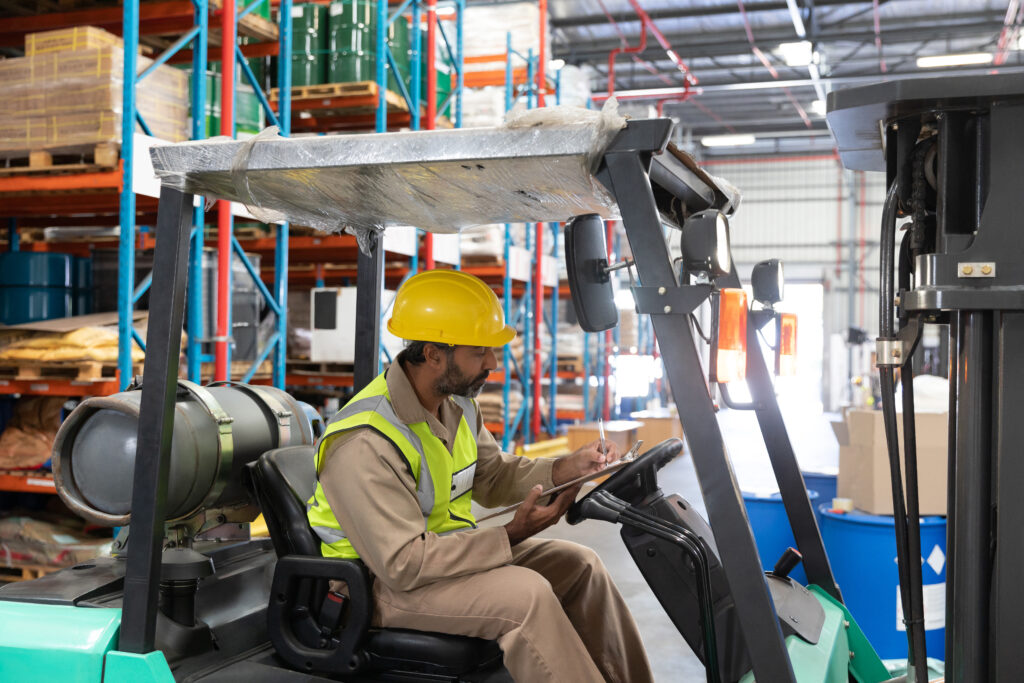
As production capacity grows, new employees may join the workforce and responsibilities may shift. Maintaining workplace control during high capacity production expansion requires consistent training and clearly defined procedures. Employees must understand updated workflows, safety protocols, and cleanliness standards. Ongoing education ensures that standards remain strong during periods of rapid change.
Standardized Procedures That Support Growth
Operational consistency is key during expansion. Documented procedures for material handling, housekeeping, inspections, and safety checks create accountability. Maintaining workplace control during high capacity production expansion involves ensuring these standards are followed consistently across all departments. Structured processes reduce variability and prevent shortcuts under production pressure.
Material Handling Design That Supports Controlled Expansion
Material handling design plays a defining role in maintaining workplace control. Poorly engineered systems create congestion, dust, and inefficiencies. Well-designed solutions support continuous, enclosed, and stable transfer of materials. During high capacity production expansion, effective material handling enables facilities to scale output while maintaining clean and safe work environments.
How Rajath Material Handling Systems Pvt Ltd Supports High Capacity Expansion
Maintaining workplace control during high capacity production expansion requires scalable engineering expertise. Rajath Material Handling Systems Pvt Ltd designs material handling solutions that reduce dust, minimize manual intervention, and maintain organized workflows as output increases. Each system is tailored to facility layout, material type, and growth objectives, helping industrial plants expand responsibly without compromising safety or cleanliness.
Long Term Benefits of Controlled Expansion
Facilities that maintain workplace control during high capacity production expansion experience fewer accidents, lower maintenance costs, improved workforce morale, and consistent product quality. Clean and organized environments protect equipment and simplify regulatory compliance. Controlled growth builds resilience and ensures that expansion strengthens operations rather than destabilizing them.
Sustaining Workplace Control Beyond Expansion
Production expansion is rarely a one-time event. Sustaining workplace control requires continuous monitoring, process refinement, and disciplined execution. Facilities that integrate safety and cleanliness into their growth strategies maintain stability even as market demands fluctuate.
Conclusion Expansion Requires Structured Workplace Control
Maintaining workplace control during high capacity production expansion depends on controlled material flow, effective dust management, reduced manual handling, organized layouts, preventive maintenance, and strong workforce training. With expert support from Rajath Material Handling Systems Pvt Ltd, industrial facilities can scale production confidently while preserving clean, safe, and reliable operations.