
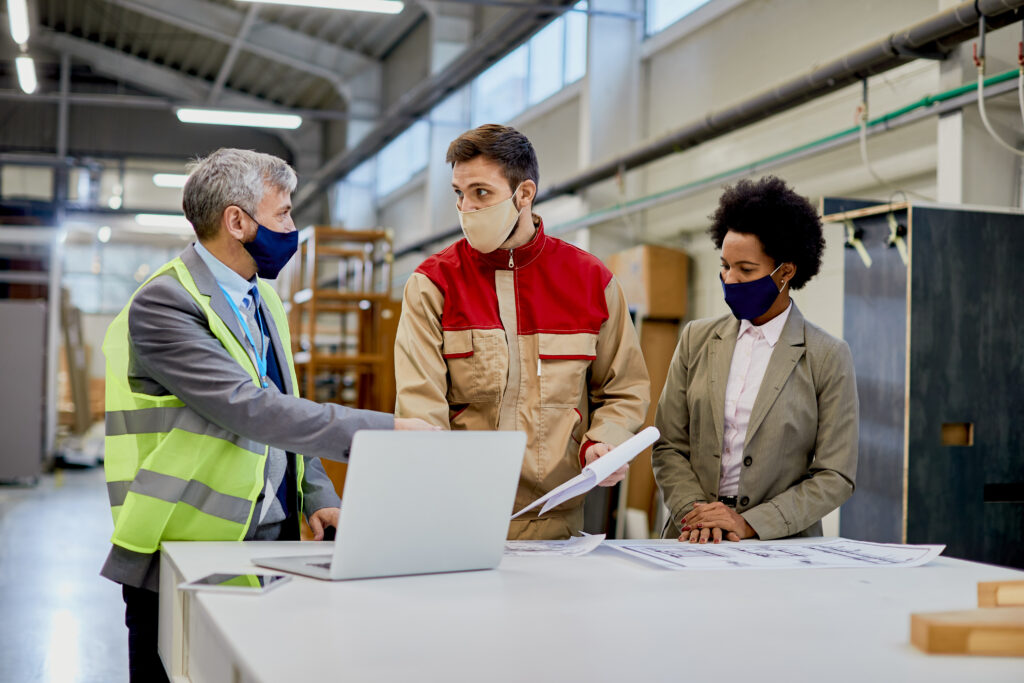
Why Industrial Capacity Growth Requires Structured Safety and Clean Practices
Industrial capacity growth represents progress, increased demand, and new market opportunities. However, as production expands, operational complexity increases. More materials move across the floor, equipment runs longer hours, and teams operate at higher intensity. Without structured safety and clean practices, growth can quickly lead to congestion, dust buildup, equipment strain, and workplace incidents. Sustainable industrial capacity growth depends on reinforcing safety and cleanliness alongside output expansion rather than treating them as secondary concerns.
The Operational Pressures That Come With Capacity Expansion
When facilities increase capacity, transfer points handle greater volumes, storage areas cycle faster, and maintenance windows shrink. These changes amplify operational risks. Dust accumulates more quickly, manual handling intensifies, and workflow stability can weaken. Strong safety and clean practices act as control mechanisms that prevent production growth from creating instability. Facilities that scale responsibly focus on maintaining order, protecting employees, and ensuring that higher output does not compromise operational standards.
Controlled Material Flow as a Foundation for Growth
Predictable and contained material movement is central to supporting industrial capacity growth. Uncontrolled transfers lead to spillage, congestion, and unsafe work conditions. Strong safety and clean practices require enclosed handling systems, defined transfer routes, and stable feed mechanisms. When material flow remains organized, production areas stay cleaner and safer even as throughput increases. Controlled handling ensures growth does not create operational disorder.
Dust Management During Increased Production Levels
As output rises, dust generation typically increases, especially in bulk material environments. Dust affects air quality, employee health, product quality, and equipment reliability. Industrial capacity growth supported by strong safety and clean practices requires dust control at the source. Enclosed transfer points, sealed discharge areas, and effective containment prevent airborne spread. Managing dust proactively reduces cleaning effort and supports long term compliance during expansion.
Reducing Manual Handling to Protect Workforce Stability
Production expansion often increases physical demands on employees if automation does not scale simultaneously. Workers under pressure may rush tasks, increasing injury risk. Strong safety and clean practices emphasize reducing manual handling through automated or assisted systems. Fewer manual touchpoints improve workplace safety, reduce strain injuries, and support consistent performance as production capacity grows.
Optimizing Facility Layouts for Expanding Operations
Capacity growth frequently involves adding new equipment or production lines. Without careful planning, layouts can become congested and difficult to manage. Maintaining clean environments during expansion requires structured walkways, organized material routes, and clear separation between people and machines. Thoughtful layout design supports industrial capacity growth while preserving safety and operational efficiency.
Preventive Maintenance as a Growth Enabler
Higher production volumes increase mechanical stress on equipment. Unexpected breakdowns during expansion disrupt output and create unsafe situations. Strong safety and clean practices include preventive maintenance routines such as scheduled inspections, routine cleaning, and timely servicing. Equipment reliability supports stable operations and prevents small issues from escalating during high capacity production.
Workforce Training During Capacity Transitions
Growth phases often introduce new technologies, workflows, and personnel. Maintaining safety and cleanliness standards requires consistent training and clear communication. Employees must understand updated procedures and safety expectations. Industrial capacity growth supported by strong safety and clean practices depends on disciplined teams who follow structured guidelines even during periods of rapid change.
Standard Operating Procedures That Reinforce Stability
Documented processes create consistency across departments. Clear housekeeping standards, inspection schedules, and material handling protocols provide accountability. During capacity expansion, adherence to these procedures ensures that increased output does not compromise workplace conditions. Stability comes from routine, not improvisation.
Material Handling Design That Supports Safe Growth
Material handling design plays a defining role in balancing output growth with operational control. Poorly engineered systems create bottlenecks and increase dust exposure. Well designed solutions support continuous, enclosed, and stable material transfer. Facilities that invest in scalable handling systems are better equipped to maintain safety and cleanliness during industrial capacity growth.
How Rajath Material Handling Systems Pvt Ltd Supports Growing Facilities
Industrial capacity growth supported by strong safety and clean practices requires expert engineering. Rajath Material Handling Systems Pvt Ltd designs material handling solutions that reduce dust, minimize manual intervention, and maintain organized workflows as production scales. Each system is tailored to facility layout, material characteristics, and capacity goals, helping industrial operations expand responsibly while preserving clean and safe environments.
Long Term Benefits of Safe and Clean Capacity Growth
Facilities that prioritize safety and cleanliness during expansion experience fewer accidents, lower maintenance costs, improved workforce morale, and consistent product quality. Clean operations extend equipment life and simplify compliance processes. Responsible growth builds resilience and strengthens overall operational performance.
Sustaining Safety and Clean Standards Beyond Expansion
Industrial capacity growth is often continuous rather than temporary. Maintaining high standards requires ongoing monitoring, process refinement, and operational discipline. Facilities that embed safety and cleanliness into their growth strategies maintain long term stability even as production levels fluctuate.
Conclusion Sustainable Growth Depends on Safety and Clean Discipline
Industrial capacity growth supported by strong safety and clean practices is achieved through controlled material flow, effective dust management, reduced manual handling, optimized layouts, preventive maintenance, and workforce training. With expert support from Rajath Material Handling Systems Pvt Ltd, industrial facilities can scale output confidently while maintaining safe, clean, and stable working environments.