
The Manufacturing Shift That Is Quietly Changing the Game in India
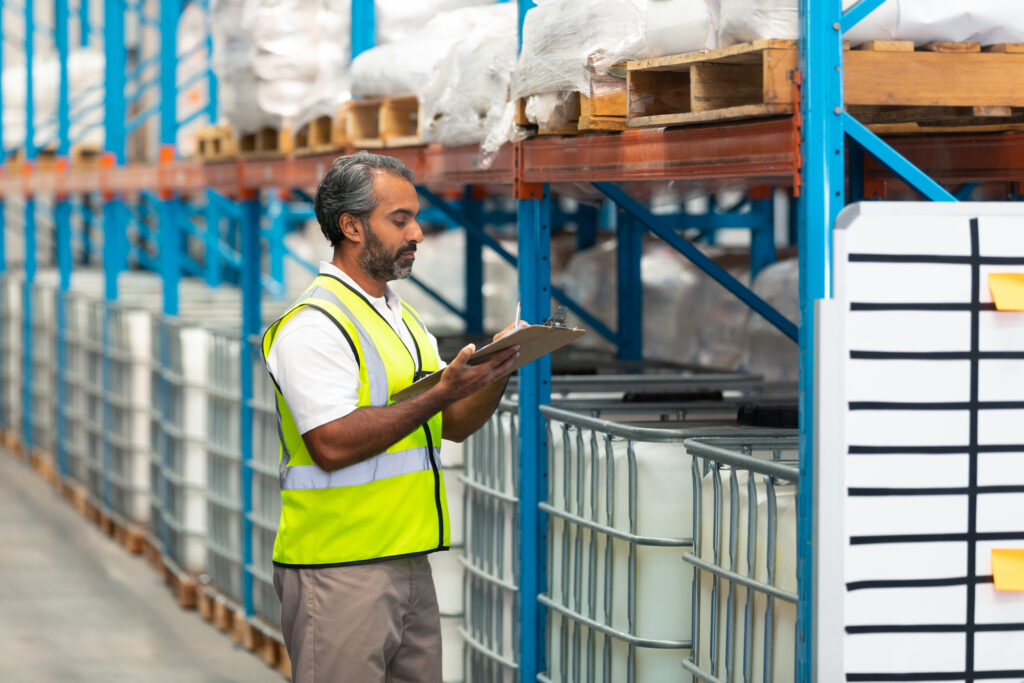
Something significant is happening on the floors of Indian manufacturing plants. It is not loud or dramatic. There are no press conferences or product launches attached to it. But if you walk through a food processing unit in Pune, a chemical plant on the outskirts of Ahmedabad, or a pharmaceutical facility in Hyderabad, you will notice it immediately. The material moves differently. The air is cleaner. The workers are not covered in powder at the end of a shift. And the numbers at the end of the month look better than they ever have.
Indian manufacturers are waking up to the real cost of poor bulk solids handling and they are doing something about it. The ones who have already made the move are not looking back. The ones still on the fence are starting to feel the pressure from every direction.
Why Bulk Solids Handling Has Become a Competitive Differentiator
For a long time, the way a plant moved its powders, granules, and raw materials from one point to another was considered a background function. It was not glamorous. It was not strategic. It just had to work well enough to keep production moving. That thinking has changed entirely.
Today, bulk solids handling sits at the centre of a plant’s ability to compete. It affects product quality, compliance with food safety and pharmaceutical regulations, energy consumption, labour requirements, and the amount of raw material that actually makes it into the final product versus what ends up on the floor or in the air. When you add all of that up, the way you handle your bulk materials is one of the most financially significant decisions in your entire operation.
Indian manufacturers who have recognised this are pulling ahead. Those who still treat it as an afterthought are losing ground to competitors who have figured it out.
What Smarter Bulk Solids Handling Actually Means
The word smarter gets used a lot in manufacturing conversations and it often means very little. Here it means something specific. Smarter bulk solids handling means systems that are engineered for the actual material being handled rather than adapted from something generic. It means enclosed transfer points that prevent dust and contamination instead of open transfers that create both. It means weighing and flow control built into the process rather than bolted on as an afterthought. And it means integration between the different stages of handling so that the entire flow from intake to output works as a single coordinated system.
Rajath Material has built its entire approach around this principle. Every system we design starts with a detailed understanding of the material, the plant layout, the production volumes, and the regulatory environment the customer operates in. The result is bulk solids handling that actually fits the operation rather than forcing the operation to work around the system.
Pneumatic Conveying Is Leading the Transformation
Of all the technologies driving smarter bulk solids handling across Indian manufacturing, pneumatic conveying has had the most visible impact. The reason is straightforward. Moving powder and granules through enclosed pipelines using air pressure or vacuum eliminates nearly every problem associated with traditional mechanical conveying. There is no open transfer. There is no spillage. There is minimal dust. And the system can be routed through virtually any plant layout without major structural changes.
For Indian manufacturers handling materials like flour, starch, sugar, pigments, APIs, polymer granules, or any number of other bulk solids, pneumatic conveying has transformed what is possible. Plants that once accepted significant material loss at every transfer point are now recovering that product and putting it where it belongs, in the final output. Plants that once dealt with constant cleaning and maintenance on mechanical conveyors are now running longer between interventions.
Rajath Material designs both dense phase and dilute phase pneumatic conveying systems depending on the material characteristics and the requirements of the specific application. Dense phase is the right choice for fragile or abrasive materials that cannot tolerate high velocity. Dilute phase suits lighter materials over longer distances. Getting this choice right from the beginning is what separates a system that performs from one that causes constant problems.
Big Bag Systems Are Changing How Indian Plants Handle Intake and Output
The FIBC bag, or jumbo bag, is everywhere in Indian bulk materials handling. It is the standard format for receiving raw materials from suppliers and for dispatching finished product to customers across dozens of industries. Yet the way most Indian plants fill and empty these bags has lagged far behind what modern engineering makes possible.
Manual big bag unloading is slow, physically demanding, and almost impossible to do without creating a significant dust event. Manual filling lacks the accuracy that modern quality standards demand. And neither approach gives operators the data they need to track material consumption and output with any real precision.
Modern big bag filling stations change all of this. Built-in load cells deliver accurate weight every time. Vibration and settling systems ensure the bag is filled densely and consistently. Dust-tight connections at the fill spout mean that airborne material stays contained rather than spreading through the facility. Rajath Material builds these stations to match the specific material being handled and the production throughput required, which means the system works the way the plant works rather than the other way around.
Unloading stations bring the same level of engineering to the discharge side. Flow control devices, bag massagers for materials that tend to bridge or compact, and properly designed discharge spouts ensure that material flows cleanly and completely. The result is faster cycle times, better material yield, and a much safer working environment for the operators involved.
Dust Extraction Is Protecting Indian Workers and Indian Products
Air quality inside Indian manufacturing facilities has historically been a serious problem, particularly in plants handling fine powders. Dust is not just a compliance issue or a housekeeping challenge. It is a direct threat to worker health, a source of significant product loss, and in some materials, a genuine explosion risk. Modern bulk solids handling addresses this through integrated dust extraction systems that work alongside every other element of the handling process.
The key word is integrated. A dust extraction unit that is added to a facility as an afterthought will never perform as well as one that is designed as part of the overall bulk solids handling system from the beginning. When the extraction points are positioned correctly relative to every transfer, fill, and discharge point, and when the capacity of the system is matched to the actual dust generation rates of the materials involved, the results are genuinely transformative.
Rajath Material designs dust extraction systems that are part of a complete handling solution, not standalone products bolted onto an existing layout. This approach ensures that every point where dust is generated has the extraction capacity it needs, and that the overall system maintains clean air throughout the facility during full production operation.
The Industries Driving the Fastest Adoption in India
Food processing has been the most aggressive adopter of smarter bulk solids handling across India, and the reasons are not hard to understand. FSSAI regulations have tightened significantly. Export customers are demanding higher standards of hygiene and traceability. And the competitive pressure from organised players who have already invested in modern handling has made upgrading a matter of staying in business rather than just staying ahead.
Pharmaceuticals follow closely. The handling of active pharmaceutical ingredients, excipients, and intermediates requires a level of containment, accuracy, and cleanliness that simply cannot be achieved with conventional bulk solids handling methods. Modern enclosed systems, precisely controlled fill weights, and integrated dust extraction are not optional in this environment. They are required.
Chemicals and specialty materials are the third major area of adoption. Whether it is handling carbon black, titanium dioxide, polymer granules, or agricultural inputs, the economic case for reducing material loss and improving handling precision is compelling and the investments being made reflect that.
What Holds Indian Manufacturers Back and Why That Is Changing
The most common reason Indian manufacturers delay upgrading their bulk solids handling is the perception that modern systems are too expensive for the scale at which they operate. This perception is increasingly out of step with reality. The range of engineered solutions available today covers plants of very different sizes and throughputs, and the return on investment calculation almost always favours upgrading once the true cost of current losses, labour, and compliance risk is honestly assessed.
The second reason is a lack of access to suppliers who can actually engineer a solution for the specific application rather than selling a generic product and hoping it works. This is a genuine challenge in the Indian market and it is one that Rajath Material was built to solve. Every system we deliver is designed around the customer’s actual materials, plant conditions, and production requirements.
The Manufacturers Who Move First Will Set the Standard
In every industry where modern bulk solids handling has taken hold, the plants that moved early have set the benchmark that everyone else is now trying to match. They have the lower operating costs. They have the better compliance record. They have the product quality consistency that wins and keeps customers. And they have the operational knowledge that comes from years of running a properly engineered system.
Indian manufacturing is at that inflection point right now. The early movers are already pulling ahead. The window to be among them is still open, but it will not stay open indefinitely as more competitors make the same investment.
Conclusion
Indian manufacturers are winning with smarter bulk solids handling because they have recognised something fundamental: the way you move your materials is not a background function. It is a core part of your competitive position. Pneumatic conveying, engineered big bag systems, and integrated dust extraction are not upgrades for large enterprises with large budgets. They are investments that pay for themselves, protect workers, improve quality, and put manufacturers in a stronger position in every market they serve.
Rajath Material is the partner that makes this transition straightforward, from the first conversation about your application through to a system that runs reliably for years. If your bulk solids handling is not working as hard as the rest of your plant, it is time to change that.