
In many industrial sectors, handling bulk materials such as powders and granules is a daily challenge. Industries like food processing, pharmaceuticals, chemicals, and plastics rely heavily on efficient packaging systems to maintain smooth production operations. However, traditional packaging methods often lead to dust generation, product loss, and inconsistent filling.
To overcome these challenges, many manufacturers are now turning to big bag filling systems. These advanced systems are specifically designed to fill large flexible intermediate bulk containers (FIBC), commonly known as big bags or jumbo bags, with high accuracy and efficiency. As a result, industries can handle bulk materials safely while maintaining productivity and cleanliness.
In this article, we will explore how big bag filling systems work and why they are an essential solution for powder and granule handling.
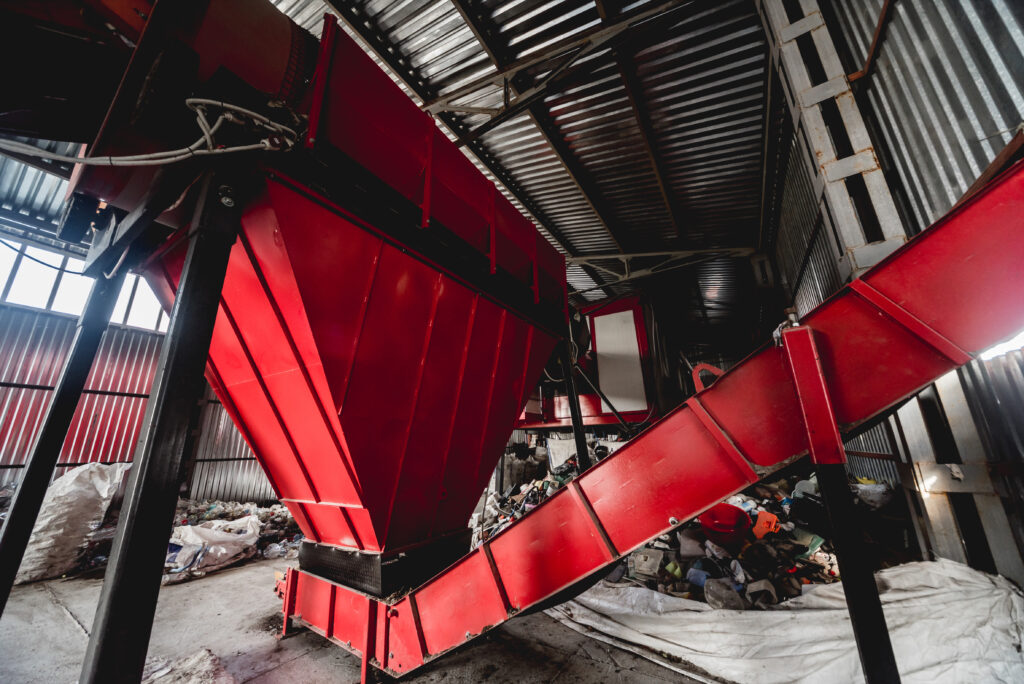
Understanding Big Bag Filling Systems
A big bag filling system is an industrial machine designed to fill large bags with bulk materials such as powders, pellets, or granules. Typically, these bags can hold anywhere from 500 kg to 2000 kg of material.
Unlike manual filling processes, automated big bag filling systems ensure precise weighing and consistent filling. Moreover, they significantly reduce material wastage and improve overall production efficiency.
Because of their reliability and speed, these systems are widely used in industries where large quantities of materials need to be packed and transported safely.
How Big Bag Filling Systems Work
Big bag filling systems operate through a structured process that ensures accurate and controlled filling.
First, the empty big bag is placed on the filling station and securely attached to the filling spout. Next, the system begins transferring the material from a hopper or conveying system into the bag. During this stage, integrated weighing systems carefully measure the material being filled.
Meanwhile, vibration mechanisms may be used to settle the material inside the bag and remove trapped air. Consequently, the bag is filled evenly and maintains a stable shape.
Once the desired weight is reached, the system automatically stops the filling process. Finally, the filled bag is sealed and removed from the station for storage or transportation.
Advantages of Big Bag Filling Systems
Improved Efficiency in Bulk Packaging
One of the most significant benefits of big bag filling systems is their ability to improve operational efficiency. Since the system automates the filling process, industries can fill large quantities of materials quickly and consistently.
As a result, production lines run more smoothly and downtime is significantly reduced.
Accurate and Consistent Filling
Another major advantage is precise weight control. Modern big bag filling systems use advanced weighing technology to ensure that each bag is filled accurately.
Therefore, manufacturers can maintain consistent product quantities, which is particularly important for industries that require strict quality control.
Reduced Dust and Cleaner Work Environment
Handling powders and granules can generate large amounts of airborne dust. However, big bag filling systems often include dust control mechanisms that capture particles during the filling process.
Consequently, the workplace remains cleaner and safer for operators. At the same time, product contamination is minimized.
Enhanced Worker Safety
Manual handling of bulk materials can expose workers to dust and heavy lifting risks. In contrast, automated big bag filling systems reduce the need for direct operator involvement.
As a result, worker safety improves while physical strain and workplace accidents decrease.
Compatibility with Multiple Materials
Big bag filling systems are designed to handle a wide variety of materials. For example, they can efficiently fill powders, granules, pellets, and other bulk solids.
Because of this versatility, industries can use the same system for multiple products without requiring major modifications.
Integration with Material Handling Systems
Another key advantage is that big bag filling systems can easily integrate with other material handling equipment. For instance, they can work seamlessly with pneumatic conveying systems, screw conveyors, and storage silos.
Therefore, manufacturers can create a fully automated bulk material handling process within their facilities.
Applications Across Industries
Big bag filling systems are widely used across several industrial sectors.
In the food industry, they are used to package flour, sugar, starch, and other powdered ingredients. Similarly, in the pharmaceutical industry, they help handle fine powders under controlled conditions.
In addition, chemical manufacturers use these systems to fill fertilizers, additives, and powdered chemicals. Likewise, the plastic industry relies on big bag filling systems for packaging polymer granules and resins.
Because of their efficiency and reliability, these systems have become an essential part of modern bulk material handling operations.
Conclusion
Efficient packaging is crucial for industries handling large volumes of powders and granules. Big bag filling systems provide a practical solution by automating the filling process, ensuring accurate weight control, and maintaining a clean and safe working environment.
Furthermore, their ability to integrate with other material handling systems makes them a valuable investment for manufacturing plants seeking improved productivity.
As industries continue to adopt automation and advanced bulk handling technologies, big bag filling systems will play an increasingly important role in optimizing industrial operations and ensuring efficient powder and granule handling.