
In industries that handle bulk powders and granules, maintaining a clean and safe working environment is just as important as ensuring efficient material transport. Processes such as conveying, filling, and unloading often generate fine dust particles that can spread through the facility if not properly controlled. As a result, dust accumulation can affect product quality, worker safety, and equipment performance.
This is where dust control solutions for dilute phase pneumatic conveying systems become essential. These systems are designed to transport materials efficiently while minimizing dust emissions and maintaining clean industrial environments.
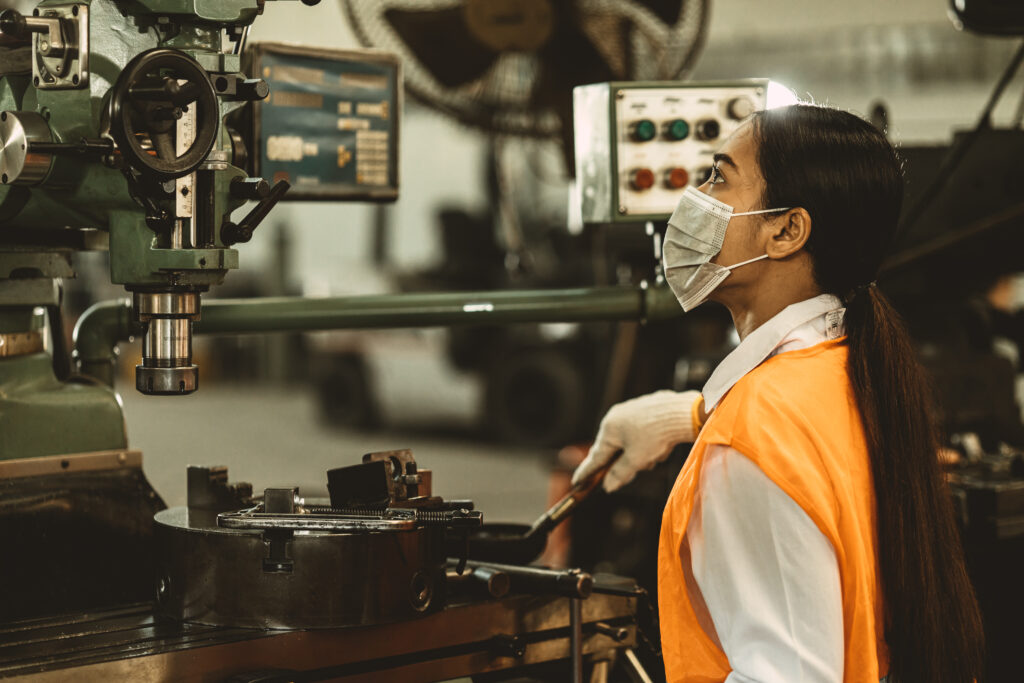
In this article, we will explore how dust is generated in dilute phase pneumatic conveying systems and the solutions that help control it effectively.
Understanding Dilute Phase Pneumatic Conveying
Dilute phase pneumatic conveying is a widely used method for transporting bulk materials such as powders, granules, and pellets. In this system, materials are suspended in a high-velocity airstream and carried through pipelines from one point to another.
Typically, dilute phase systems operate at relatively low pressure while maintaining high air velocity. Because the particles remain suspended in the airflow, the materials move smoothly through the pipeline without forming dense clusters.
As a result, dilute phase conveying is ideal for industries such as food processing, pharmaceuticals, chemicals, and plastics where continuous and flexible material transfer is required.
However, during material transfer and separation, fine particles may escape into the surrounding environment. Therefore, effective dust control becomes a crucial part of the system design.
Why Dust Control is Important in Pneumatic Conveying
Dust generated during pneumatic conveying can create several operational and safety challenges.
First, airborne dust can reduce air quality inside the facility, which may affect worker health over time. Additionally, dust accumulation on equipment and surfaces can lead to maintenance issues and operational inefficiencies.
Moreover, certain types of industrial dust can be combustible under specific conditions. Consequently, controlling dust emissions helps reduce potential safety hazards in the workplace.
For these reasons, industries invest in advanced dust control systems to ensure safe and efficient pneumatic conveying operations.
Key Sources of Dust in Pneumatic Conveying Systems
Dust can be generated at multiple points within a pneumatic conveying system. Understanding these sources helps industries implement effective dust control strategies.
Material Feeding Points
Dust often forms when bulk materials are introduced into the conveying pipeline. Equipment such as rotary valves or venturi injectors may release fine particles during this stage if proper sealing and extraction systems are not installed.
Transfer and Handling Points
When materials change direction or move through bends in the pipeline, small particles may separate from the main flow. Over time, this can lead to dust accumulation if the system is not properly designed.
Product Separation Stage
At the receiving end, materials are separated from the airflow using devices such as cyclone separators or bag filters. During this process, fine particles may remain in the airstream and require additional filtration.
Effective Dust Control Solutions
To maintain clean and efficient operations, industries use several dust control technologies within dilute phase pneumatic conveying systems.
Enclosed Conveying Pipelines
One of the most effective dust control features is the enclosed pipeline design. Since the materials travel through sealed pipelines, dust cannot easily escape into the surrounding environment.
This closed system helps maintain cleanliness while also preventing external contaminants from entering the pipeline.
Cyclone Separators
Cyclone separators play a vital role in separating bulk materials from the airstream at the receiving end. They use centrifugal force to spin the incoming air and separate heavier particles from the airflow.
As a result, most of the conveyed material is collected efficiently while the air moves toward the filtration system.
Bag Filters and Dust Collectors
Although cyclone separators remove larger particles, fine dust may still remain in the airflow. Therefore, bag filters or cartridge dust collectors are often installed after the cyclone.
These filtration systems capture the remaining fine particles before the air is released back into the environment. Consequently, clean air exits the system while dust is safely collected for disposal.
Proper Pipeline Design
Pipeline design also plays a significant role in dust control. Smooth pipelines with gradual bends help maintain consistent air velocity, preventing particles from settling or generating excess dust.
Additionally, well-engineered pipelines reduce wear and minimize maintenance requirements over time.
Integrated Dust Extraction Systems
Many facilities install dedicated dust extraction systems near feeding or discharge points. These systems capture dust at the source and prevent it from spreading within the plant.
By combining dust extraction with pneumatic conveying, industries can maintain cleaner operations and improve air quality inside the facility.
Benefits of Dust Control in Pneumatic Conveying
Implementing effective dust control solutions offers several advantages for industrial operations.
First, it significantly improves workplace air quality, creating a safer environment for employees. At the same time, dust control helps protect equipment from buildup and reduces maintenance costs.
Furthermore, controlling dust emissions helps maintain product purity, which is especially important in industries such as food and pharmaceuticals.
Finally, effective dust control ensures compliance with environmental and safety regulations, helping companies maintain responsible and sustainable operations.
Conclusion
Dilute phase pneumatic conveying systems provide an efficient way to transport powders and granules across industrial facilities. However, without proper dust control, fine particles can affect air quality, equipment performance, and workplace safety.
By integrating solutions such as enclosed pipelines, cyclone separators, dust collectors, and well-designed pipelines, industries can effectively manage dust emissions during conveying operations.
Ultimately, combining pneumatic conveying with advanced dust control technologies ensures clean, safe, and efficient material handling in modern manufacturing environments.