Author name: thewebsitemakers

Scaling Industrial Production With Structured Safety and Clean Management Systems

Why Structured Systems Are Essential for Production ScalingScaling industrial production is often necessary to meet growing market demand, expand capacity, and improve profitability. However, increasing output without reinforcing workplace safety and clean management systems can lead to instability. As throughput rises, material movement intensifies, equipment utilization increases, and operational complexity grows. Structured safety and clean management systems ensure that production scaling strengthens performance rather than creating operational risk. The Risks of Scaling Without Operational StructureWhen production expands rapidly, facilities may focus primarily on output targets. Without strong safety and clean management systems, growth can introduce congestion, dust accumulation, increased manual handling, and higher accident potential. Scaling industrial production with structured safety and clean management systems prevents small inefficiencies from becoming major disruptions. Stability during growth depends on disciplined processes and clear accountability. Controlling Material Flow During Production ExpansionMaterial handling becomes more demanding as capacity increases. Unstructured transfer points and inconsistent feed rates lead to spills and clutter. Scaling industrial production with structured safety and clean management systems requires enclosed material handling, defined transfer routes, and stable flow control. Predictable material movement keeps work areas organized and supports safe high throughput operations. Dust Management as a Core Clean Control MeasureHigher production volumes often generate more dust, particularly in facilities handling bulk materials. Dust affects air quality, worker health, and equipment reliability. Structured safety and clean management systems include containment at transfer points, sealed discharge areas, and properly engineered handling solutions. Effective dust control supports cleaner environments and protects employees during production scaling. Reducing Manual Handling to Strengthen Workplace SafetyAs production scales, manual workload can increase if automation is not expanded accordingly. Workers under pressure may experience strain injuries or fatigue. Scaling industrial production with structured safety and clean management systems includes minimizing manual intervention through automation and assisted material movement. Reduced physical strain supports consistent output and safer work conditions. Facility Layout Optimization During ScalingProduction expansion often requires additional equipment and modified workflows. Without planning, layouts can become congested and inefficient. Structured safety and clean management systems include reviewing facility design, organizing walkways, and separating personnel from material routes. Well planned layouts maintain order and reduce collision risks during scaling phases. Preventive Maintenance to Support Stable GrowthHigher output levels increase stress on machinery. Unexpected breakdowns disrupt production and compromise safety. Structured safety and clean management systems incorporate preventive maintenance schedules, routine inspections, and cleaning protocols. Reliable equipment performance is essential for maintaining control during industrial production scaling. Workforce Training and AccountabilityScaling industrial production introduces new workflows and sometimes new personnel. Maintaining safety and cleanliness standards requires continuous training and clear operational guidelines. Structured management systems ensure employees understand responsibilities and follow established procedures even during high demand periods. Standard Operating Procedures for ConsistencyDocumented operating procedures provide clarity during expansion. Clear housekeeping standards, inspection routines, and material handling protocols reduce variability. Scaling industrial production with structured safety and clean management systems relies on consistent execution rather than improvisation under pressure. Material Handling Engineering That Supports Scalable ControlMaterial handling design plays a defining role in maintaining clean and safe operations during scaling. Poorly designed systems create bottlenecks and increase dust exposure. Well engineered solutions support continuous enclosed transfer and controlled throughput. Effective engineering ensures that increased production does not compromise operational stability. How Rajath Material Handling Systems Pvt Ltd Supports Scalable ProductionScaling industrial production with structured safety and clean management systems requires experienced engineering guidance. Rajath Material Handling Systems Pvt Ltd designs material handling solutions that reduce dust, minimize manual handling, and maintain organized workflows during capacity expansion. Each system is tailored to facility layout and material characteristics, helping industrial plants scale output responsibly. Long Term Benefits of Structured ScalingFacilities that scale production through structured safety and clean management systems experience fewer accidents, reduced maintenance costs, improved workforce morale, and consistent product quality. Clean environments protect equipment and simplify compliance. Structured scaling builds resilience and strengthens operational performance. Sustaining Clean and Safe Standards During Continuous GrowthIndustrial growth is often ongoing rather than temporary. Sustaining safety and cleanliness requires continuous monitoring, process improvement, and disciplined leadership. Facilities that embed structured systems into their growth strategy maintain stability even as production levels fluctuate. Conclusion Structured Systems Enable Safe Industrial ScalingScaling industrial production with structured safety and clean management systems depends on controlled material flow, effective dust management, reduced manual handling, organized layouts, preventive maintenance, and workforce training. With expert support from Rajath Material Handling Systems Pvt Ltd, industrial facilities can expand capacity while preserving safe, clean, and reliable operations.

Scaling Industrial Production With Structured Safety and Clean Management Systems Read More »
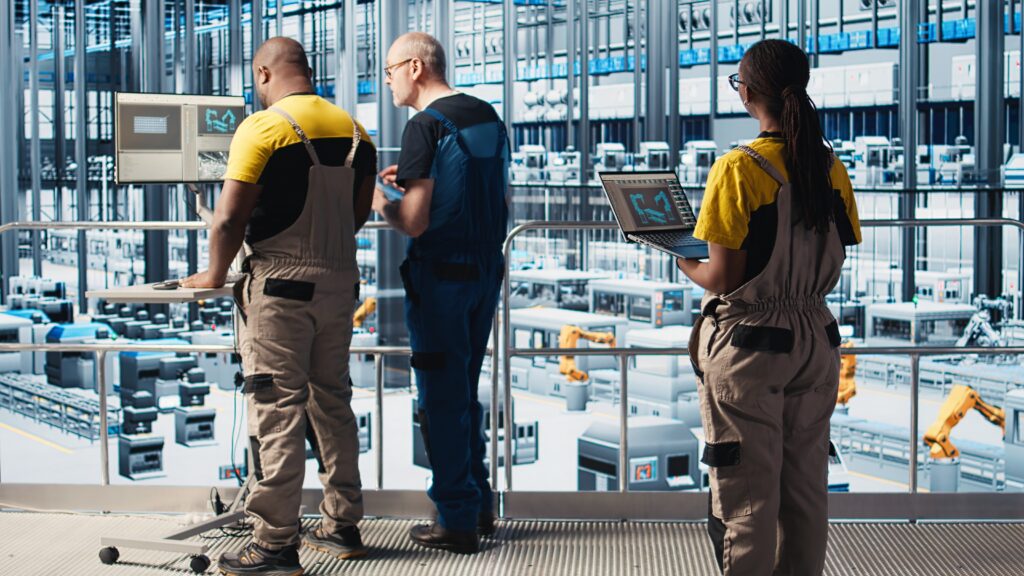
Industrial Capacity Growth Supported by Strong Safety and Clean Practices

Why Industrial Capacity Growth Requires Structured Safety and Clean PracticesIndustrial capacity growth represents progress, increased demand, and new market opportunities. However, as production expands, operational complexity increases. More materials move across the floor, equipment runs longer hours, and teams operate at higher intensity. Without structured safety and clean practices, growth can quickly lead to congestion, dust buildup, equipment strain, and workplace incidents. Sustainable industrial capacity growth depends on reinforcing safety and cleanliness alongside output expansion rather than treating them as secondary concerns. The Operational Pressures That Come With Capacity ExpansionWhen facilities increase capacity, transfer points handle greater volumes, storage areas cycle faster, and maintenance windows shrink. These changes amplify operational risks. Dust accumulates more quickly, manual handling intensifies, and workflow stability can weaken. Strong safety and clean practices act as control mechanisms that prevent production growth from creating instability. Facilities that scale responsibly focus on maintaining order, protecting employees, and ensuring that higher output does not compromise operational standards. Controlled Material Flow as a Foundation for GrowthPredictable and contained material movement is central to supporting industrial capacity growth. Uncontrolled transfers lead to spillage, congestion, and unsafe work conditions. Strong safety and clean practices require enclosed handling systems, defined transfer routes, and stable feed mechanisms. When material flow remains organized, production areas stay cleaner and safer even as throughput increases. Controlled handling ensures growth does not create operational disorder. Dust Management During Increased Production LevelsAs output rises, dust generation typically increases, especially in bulk material environments. Dust affects air quality, employee health, product quality, and equipment reliability. Industrial capacity growth supported by strong safety and clean practices requires dust control at the source. Enclosed transfer points, sealed discharge areas, and effective containment prevent airborne spread. Managing dust proactively reduces cleaning effort and supports long term compliance during expansion. Reducing Manual Handling to Protect Workforce StabilityProduction expansion often increases physical demands on employees if automation does not scale simultaneously. Workers under pressure may rush tasks, increasing injury risk. Strong safety and clean practices emphasize reducing manual handling through automated or assisted systems. Fewer manual touchpoints improve workplace safety, reduce strain injuries, and support consistent performance as production capacity grows. Optimizing Facility Layouts for Expanding OperationsCapacity growth frequently involves adding new equipment or production lines. Without careful planning, layouts can become congested and difficult to manage. Maintaining clean environments during expansion requires structured walkways, organized material routes, and clear separation between people and machines. Thoughtful layout design supports industrial capacity growth while preserving safety and operational efficiency. Preventive Maintenance as a Growth EnablerHigher production volumes increase mechanical stress on equipment. Unexpected breakdowns during expansion disrupt output and create unsafe situations. Strong safety and clean practices include preventive maintenance routines such as scheduled inspections, routine cleaning, and timely servicing. Equipment reliability supports stable operations and prevents small issues from escalating during high capacity production. Workforce Training During Capacity TransitionsGrowth phases often introduce new technologies, workflows, and personnel. Maintaining safety and cleanliness standards requires consistent training and clear communication. Employees must understand updated procedures and safety expectations. Industrial capacity growth supported by strong safety and clean practices depends on disciplined teams who follow structured guidelines even during periods of rapid change. Standard Operating Procedures That Reinforce StabilityDocumented processes create consistency across departments. Clear housekeeping standards, inspection schedules, and material handling protocols provide accountability. During capacity expansion, adherence to these procedures ensures that increased output does not compromise workplace conditions. Stability comes from routine, not improvisation. Material Handling Design That Supports Safe GrowthMaterial handling design plays a defining role in balancing output growth with operational control. Poorly engineered systems create bottlenecks and increase dust exposure. Well designed solutions support continuous, enclosed, and stable material transfer. Facilities that invest in scalable handling systems are better equipped to maintain safety and cleanliness during industrial capacity growth. How Rajath Material Handling Systems Pvt Ltd Supports Growing FacilitiesIndustrial capacity growth supported by strong safety and clean practices requires expert engineering. Rajath Material Handling Systems Pvt Ltd designs material handling solutions that reduce dust, minimize manual intervention, and maintain organized workflows as production scales. Each system is tailored to facility layout, material characteristics, and capacity goals, helping industrial operations expand responsibly while preserving clean and safe environments. Long Term Benefits of Safe and Clean Capacity GrowthFacilities that prioritize safety and cleanliness during expansion experience fewer accidents, lower maintenance costs, improved workforce morale, and consistent product quality. Clean operations extend equipment life and simplify compliance processes. Responsible growth builds resilience and strengthens overall operational performance. Sustaining Safety and Clean Standards Beyond ExpansionIndustrial capacity growth is often continuous rather than temporary. Maintaining high standards requires ongoing monitoring, process refinement, and operational discipline. Facilities that embed safety and cleanliness into their growth strategies maintain long term stability even as production levels fluctuate. Conclusion Sustainable Growth Depends on Safety and Clean DisciplineIndustrial capacity growth supported by strong safety and clean practices is achieved through controlled material flow, effective dust management, reduced manual handling, optimized layouts, preventive maintenance, and workforce training. With expert support from Rajath Material Handling Systems Pvt Ltd, industrial facilities can scale output confidently while maintaining safe, clean, and stable working environments.

Industrial Capacity Growth Supported by Strong Safety and Clean Practices Read More »

Maintaining Workplace Control During High Capacity Production Expansion

Why Workplace Control Becomes Critical During ExpansionHigh capacity production expansion is a positive milestone for any industrial facility, but it also introduces operational pressure that can quickly disrupt workplace control. As output rises, material movement intensifies, equipment runs longer hours, and teams operate under tighter schedules. Without structured oversight, growth can create congestion, dust accumulation, workflow instability, and safety risks. Maintaining workplace control during high capacity production expansion requires proactive systems that grow alongside production demands. The Operational Risks of Expanding Capacity Too QuicklyWhen facilities scale output rapidly, existing processes are often stretched beyond their original design limits. Transfer points handle higher volumes, storage areas fill faster, and cleaning cycles shorten. These changes can compromise safety and cleanliness if controls are not strengthened. Maintaining workplace control during high capacity production expansion means identifying these stress points early and reinforcing operational stability before issues escalate. Stabilizing Material Flow as Production GrowsOne of the most effective ways to maintain workplace control is through predictable and contained material flow. Unmanaged material transfer leads to spillage, clutter, and unsafe movement patterns. Enclosed handling systems, defined transfer paths, and consistent feed rates help keep operations organized. During high capacity production expansion, controlled material movement ensures that increased output does not result in operational disorder. Managing Dust in High Capacity EnvironmentsAs throughput increases, dust generation typically rises as well. Dust affects air quality, worker health, and equipment reliability. Maintaining workplace control during high capacity production expansion requires dust management at the source. Enclosed transfer points, sealed discharge areas, and well-designed containment systems reduce airborne spread. Effective dust control protects employees and maintains clean working environments even as capacity expands. Reducing Manual Handling to Protect Workforce StabilityExpansion often increases physical workload if automation is not adjusted accordingly. Workers under pressure may rush tasks, increasing the likelihood of injury or mistakes. Maintaining workplace control during high capacity production expansion involves minimizing manual handling through automated or assisted systems. Reduced physical strain improves safety, lowers absenteeism, and supports consistent productivity. Optimizing Layouts for Expanding OperationsWhen new equipment or process lines are added, facility layouts can become congested. Clear walkways, structured zones, and organized material routes are essential for maintaining order. Maintaining workplace control during high capacity production expansion includes reviewing and adjusting layouts to prevent bottlenecks. Organized environments are easier to clean, monitor, and operate safely under higher output conditions. Preventive Maintenance as a Core Control MechanismEquipment reliability directly impacts workplace control. High capacity operations increase mechanical stress, making preventive maintenance essential. Scheduled inspections, regular cleaning, and timely servicing prevent unexpected breakdowns that could compromise safety and cleanliness. Maintaining workplace control during high capacity production expansion depends on keeping machinery stable and predictable. Training Teams to Adapt to Higher Production LevelsAs production capacity grows, new employees may join the workforce and responsibilities may shift. Maintaining workplace control during high capacity production expansion requires consistent training and clearly defined procedures. Employees must understand updated workflows, safety protocols, and cleanliness standards. Ongoing education ensures that standards remain strong during periods of rapid change. Standardized Procedures That Support GrowthOperational consistency is key during expansion. Documented procedures for material handling, housekeeping, inspections, and safety checks create accountability. Maintaining workplace control during high capacity production expansion involves ensuring these standards are followed consistently across all departments. Structured processes reduce variability and prevent shortcuts under production pressure. Material Handling Design That Supports Controlled ExpansionMaterial handling design plays a defining role in maintaining workplace control. Poorly engineered systems create congestion, dust, and inefficiencies. Well-designed solutions support continuous, enclosed, and stable transfer of materials. During high capacity production expansion, effective material handling enables facilities to scale output while maintaining clean and safe work environments. How Rajath Material Handling Systems Pvt Ltd Supports High Capacity ExpansionMaintaining workplace control during high capacity production expansion requires scalable engineering expertise. Rajath Material Handling Systems Pvt Ltd designs material handling solutions that reduce dust, minimize manual intervention, and maintain organized workflows as output increases. Each system is tailored to facility layout, material type, and growth objectives, helping industrial plants expand responsibly without compromising safety or cleanliness. Long Term Benefits of Controlled ExpansionFacilities that maintain workplace control during high capacity production expansion experience fewer accidents, lower maintenance costs, improved workforce morale, and consistent product quality. Clean and organized environments protect equipment and simplify regulatory compliance. Controlled growth builds resilience and ensures that expansion strengthens operations rather than destabilizing them. Sustaining Workplace Control Beyond ExpansionProduction expansion is rarely a one-time event. Sustaining workplace control requires continuous monitoring, process refinement, and disciplined execution. Facilities that integrate safety and cleanliness into their growth strategies maintain stability even as market demands fluctuate. Conclusion Expansion Requires Structured Workplace ControlMaintaining workplace control during high capacity production expansion depends on controlled material flow, effective dust management, reduced manual handling, organized layouts, preventive maintenance, and strong workforce training. With expert support from Rajath Material Handling Systems Pvt Ltd, industrial facilities can scale production confidently while preserving clean, safe, and reliable operations.

Maintaining Workplace Control During High Capacity Production Expansion Read More »

Balancing Production Expansion With Workplace Safety and Clean Environments

The Challenge of Expanding Production Without Losing ControlProduction expansion is a sign of success, but it brings operational pressure that can quickly affect workplace safety and clean environments. As output increases, material movement intensifies, equipment operates longer hours, and teams work under tighter deadlines. Without structured systems in place, growth can introduce clutter, dust buildup, workflow congestion, and higher accident risk. Balancing production expansion with workplace safety and clean environments requires planning, discipline, and scalable operational controls. Why Growth Often Strains Safety and Clean StandardsWhen production expands, facilities commonly focus on throughput first and workplace conditions second. However, rising volumes increase dust generation, spillage, and equipment wear. Worker fatigue can also rise during expansion phases. If safety and cleanliness controls are not strengthened alongside capacity growth, small issues escalate into disruptions. Sustainable expansion depends on maintaining clean environments and protecting employee safety at every stage of development. Controlling Material Flow During Production ScalingMaterial handling becomes more complex as production grows. Uncontrolled transfer points and inconsistent feed rates create congestion and spills. Balancing production expansion with workplace safety and clean environments begins with predictable and enclosed material flow. Stable transfer systems reduce exposure, limit dust escape, and keep work areas organized even as throughput rises. Controlled flow ensures expansion does not create disorder. Managing Dust in Growing Industrial FacilitiesHigher output typically results in increased dust levels, particularly in facilities handling powders or bulk materials. Dust affects air quality, worker health, and machine performance. Maintaining clean environments during expansion requires dust containment at the source. Enclosed transfer points, sealed discharge zones, and properly engineered handling systems help prevent airborne spread. Effective dust management protects employees and supports regulatory compliance during growth phases. Reducing Manual Handling to Protect Worker SafetyExpansion often increases workload intensity. Workers may handle materials more frequently or at faster speeds if automation does not scale accordingly. This raises the risk of strain injuries and operational errors. Balancing production expansion with workplace safety and clean environments requires minimizing manual handling through automated or assisted systems. Reduced physical strain improves safety outcomes and maintains consistent performance during growth. Optimizing Facility Layouts for ExpansionAs production areas expand, layouts can become congested. Equipment additions and new material routes may interfere with established workflows. Clear walkways, structured zones, and defined traffic paths are essential. Clean environments are easier to sustain when layouts remain organized and adaptable. Proper planning ensures that expansion enhances efficiency without creating new safety hazards. Preventive Maintenance as a Stability ToolExpansion places additional strain on machinery. Equipment exposed to dust and heavy usage deteriorates faster, increasing the risk of breakdowns. Preventive maintenance is a critical part of balancing production expansion with workplace safety and clean environments. Scheduled inspections, routine cleaning, and timely repairs prevent unexpected failures that could disrupt output or compromise worker safety. Training Teams During Growth PhasesProduction expansion often involves onboarding new employees or introducing updated workflows. Workplace safety and clean environments depend on consistent training and clear procedures. Workers must understand safety protocols, housekeeping standards, and operational responsibilities. Continuous training ensures that standards remain strong even as teams grow and responsibilities shift. Standardized Procedures for Sustainable GrowthDocumented operating procedures provide stability during expansion. Clear guidelines for material handling, inspection routines, and cleanliness expectations create accountability. Balancing production expansion with workplace safety and clean environments requires consistent adherence to these standards across all departments. Structured processes reduce variability and prevent shortcuts under pressure. Material Handling Design That Supports Safe ExpansionMaterial handling design plays a central role in maintaining clean environments during growth. Poorly designed systems create bottlenecks and increase exposure to dust and spillage. Well engineered solutions support continuous enclosed transfer and stable throughput. Effective design enables facilities to expand capacity without compromising workplace safety or cleanliness. How Rajath Material Handling Systems Pvt Ltd Supports Industrial ExpansionBalancing production expansion with workplace safety and clean environments requires engineering expertise and scalable solutions. Rajath Material Handling Systems Pvt Ltd designs material handling systems that reduce dust, minimize manual handling, and maintain organized workflows as production increases. Each system is customized to align with facility layout, material characteristics, and growth objectives, ensuring expansion remains stable and controlled. Long Term Benefits of Safe and Clean Production GrowthFacilities that successfully balance expansion with safety and cleanliness experience fewer accidents, reduced maintenance costs, improved morale, and consistent product quality. Clean environments extend equipment life and simplify compliance processes. Safe operations build workforce confidence and support sustainable productivity as capacity continues to rise. Sustaining Balance Over TimeProduction expansion is an ongoing process. Maintaining balance requires continuous evaluation, process optimization, and disciplined execution. Facilities that integrate safety and cleanliness into their growth strategy maintain resilience and adaptability. Stability during expansion is achieved through planning, engineering, and operational discipline. Conclusion Production Growth Requires Structured Safety and Clean ControlBalancing production expansion with workplace safety and clean environments depends on controlled material flow, effective dust management, reduced manual handling, organized layouts, preventive maintenance, and consistent training. With expert support from Rajath Material Handling Systems Pvt Ltd, industrial facilities can scale output responsibly while protecting employees, equipment, and operational integrity.

Balancing Production Expansion With Workplace Safety and Clean Environments Read More »

Operational Controls for Clean and Safe Industrial Growth Phases

Why Industrial Growth Phases Demand Stronger Operational ControlsIndustrial growth phases bring expansion of production capacity increased material movement and higher workforce activity While growth signals progress it also introduces operational stress that can compromise safety and cleanliness Without structured operational controls facilities often experience rising dust levels material congestion equipment strain and workflow instability Clean and safe industrial growth phases depend on control systems that scale alongside production rather than lag behind it Understanding the Risks During Industrial ExpansionAs output rises existing processes are pushed to their limits Transfer points handle more volume equipment operates longer hours and maintenance windows become shorter These conditions increase the likelihood of spills dust accumulation and safety incidents Operational controls for clean and safe industrial growth phases must address these amplified risks proactively Growth without discipline leads to inefficiency and higher operational costs Controlling Material Flow During Production Scale UpStable material movement is one of the most critical operational controls during growth Enclosed transfer systems defined pathways and consistent feed rates prevent congestion and spillage When material flow remains predictable work areas stay organized and safer even as capacity expands Facilities that prioritize controlled handling maintain clean and safe industrial growth phases without sacrificing efficiency Dust Management as a Core Growth Control MeasureProduction expansion typically increases dust generation especially in bulk material environments Dust affects air quality worker health and equipment reliability Operational controls for clean and safe industrial growth phases include containment at transfer points sealed discharge zones and localized extraction Preventing dust at the source reduces cleaning disruptions protects machinery and supports regulatory compliance Reducing Manual Handling in Expanding FacilitiesRapid growth often increases manual workload if automation is not scaled accordingly Workers under pressure may rush tasks or bypass procedures which raises injury risk Operational controls for clean and safe industrial growth phases must minimize manual handling through automation and assisted material movement Fewer manual touchpoints enhance worker safety and maintain consistent output as operations expand Layout Optimization for Safe ExpansionAs production areas expand facility layouts can become congested Clear walkways structured material routes and separation between personnel and equipment are essential controls Operational controls for clean and safe industrial growth phases include redesigning layouts to support higher throughput without increasing risk Organized layouts simplify cleaning improve visibility and prevent accidents during high activity periods Preventive Maintenance as a Growth StrategyEquipment reliability becomes increasingly important during expansion Unexpected failures disrupt production and create unsafe conditions Preventive maintenance is a critical operational control that protects both cleanliness and safety Regular inspections cleaning schedules and timely servicing prevent breakdowns that could compromise industrial growth phases Workforce Training During Growth TransitionsGrowth phases often introduce new equipment new employees and revised workflows Operational controls for clean and safe industrial growth phases must include structured training programs Clear procedures regular refreshers and accountability ensure that safety and cleanliness standards remain consistent even as operations evolve Standardized Procedures for Stable PerformanceDocumented processes and clear guidelines help maintain order during expansion Standard operating procedures define responsibilities inspection routines and response actions These controls ensure that clean and safe industrial growth phases are maintained through consistency rather than improvisation Material Handling Design That Supports GrowthMaterial handling design plays a defining role in maintaining clean and safe industrial growth phases Poorly designed systems create bottlenecks dust and inefficiencies Well engineered handling solutions support continuous controlled flow while preventing material exposure Stability in handling allows facilities to expand production without compromising workplace standards How Rajath Material Handling Systems Pvt Ltd Supports Industrial Growth PhasesManaging clean and safe industrial growth phases requires experienced engineering support Rajath Material Handling Systems Pvt Ltd designs material handling systems that reduce dust minimize manual handling and maintain stable workflows as production scales Each solution is customized to facility layout material characteristics and growth objectives ensuring operational controls remain effective during expansion Long Term Benefits of Strong Operational ControlsFacilities that implement operational controls for clean and safe industrial growth phases experience fewer accidents lower maintenance costs improved workforce confidence and consistent product quality Clean environments protect equipment and simplify compliance Strong operational controls allow industrial growth to be sustainable rather than disruptive Sustaining Clean and Safe Growth Over TimeIndustrial growth is not a one time event but an ongoing process Maintaining standards requires continuous evaluation regular process optimization and disciplined execution Facilities that integrate safety cleanliness and operational controls into their expansion strategy maintain long term stability and resilience Conclusion Operational Discipline Enables Sustainable Industrial GrowthOperational controls for clean and safe industrial growth phases include controlled material flow effective dust management reduced manual handling optimized layouts preventive maintenance and workforce training With expert support from Rajath Material Handling Systems Pvt Ltd industrial facilities can expand production while maintaining safe clean and reliable operations Growth becomes sustainable when control and discipline guide every stage of expansion.

Operational Controls for Clean and Safe Industrial Growth Phases Read More »

Clean and Safe Industrial Operations During Periods of Accelerated Production Growth

Understanding the Impact of Accelerated Production GrowthPeriods of accelerated production growth bring opportunity but also operational strain Machines operate longer material throughput increases and teams work under sustained pressure During such phases clean and safe industrial operations become more critical than ever Growth amplifies every weakness in workflow dust control layout design and manual handling If safety and cleanliness are not strengthened alongside expansion facilities risk instability accidents compliance issues and costly downtime Why Growth Magnifies Operational RisksAs production scales dust generation rises spillage becomes more frequent and equipment wear accelerates Workforce fatigue may increase as schedules tighten Clean and safe industrial operations during periods of accelerated production growth require proactive systems rather than reactive cleanup Growth without control leads to clutter congestion and safety hazards that disrupt output instead of supporting it Controlling Material Flow to Maintain StabilityUncontrolled material movement is a primary cause of disorder in growing facilities Clean and safe industrial operations depend on predictable enclosed and stable material transfer When feed rates are managed and transfer points are contained floors remain clearer and work areas more organized Even as production volume increases controlled material flow prevents chaos and protects worker safety Managing Dust as Throughput IncreasesHigher production output typically means higher dust levels especially in bulk handling environments Dust impacts air quality equipment reliability and employee health Clean and safe industrial operations during periods of accelerated production growth require dust to be controlled at its source Enclosed transfer systems sealed discharge points and effective containment reduce airborne particles and limit contamination across production areas Proper dust management minimizes cleaning interruptions and supports long term compliance Reducing Manual Handling During ExpansionRapid growth often increases manual workload if processes are not optimized Workers under pressure may rush tasks or bypass safety protocols Clean and safe industrial operations rely on minimizing manual intervention through automated or assisted material movement Fewer manual touchpoints reduce injury risk improve workflow consistency and allow facilities to expand output without compromising safety Layouts Designed for Scalable Safety and CleanlinessFacility layout plays a critical role during accelerated growth Clear walkways defined material routes and separation between personnel and equipment prevent congestion and confusion Clean and safe industrial operations are easier to sustain when layouts are organized adaptable and simple to clean As production lines expand thoughtful layout planning ensures that growth does not create unsafe bottlenecks Preventive Practices That Support Rapid GrowthReactive cleaning disrupts operations and increases risk particularly during high output periods Clean and safe industrial operations during periods of accelerated production growth rely on preventive measures such as spill containment controlled discharge and dust suppression Preventing issues before they spread allows production to continue smoothly while maintaining high safety standards Protecting Equipment to Maintain Reliable ExpansionDust and spillage accelerate equipment wear and create unsafe maintenance conditions Clean and safe industrial operations include protecting machinery from contamination Cleaner equipment operates more efficiently requires fewer emergency repairs and supports safer servicing Growth periods demand reliability and equipment protection is essential for uninterrupted performance Workforce Training During Accelerated Production PhasesAs facilities grow new employees may join and responsibilities shift Maintaining clean and safe industrial operations requires consistent training clear procedures and accountability Workers must understand safety protocols and cleanliness expectations even as production intensity rises Well trained teams help sustain discipline and prevent shortcuts during expansion Material Handling Design for Growing Industrial FacilitiesMaterial handling design determines how effectively facilities maintain clean and safe industrial operations during accelerated production growth Poorly engineered systems create bottlenecks dust and congestion Well designed handling supports continuous controlled flow without exposing materials unnecessarily Stability in material handling enables safe and clean operations even at higher capacity levels How Rajath Material Handling Systems Pvt Ltd Supports Growing FacilitiesIndustrial facilities undergoing accelerated growth need engineering solutions built for stability and scale Rajath Material Handling Systems Pvt Ltd designs material handling systems that reduce dust minimize manual handling and maintain organized workflows under rising production loads Each solution is tailored to material characteristics layout constraints and growth objectives ensuring facilities maintain clean and safe industrial operations during expansion Long Term Benefits of Clean and Safe GrowthFacilities that maintain clean and safe industrial operations during accelerated production growth experience fewer accidents lower maintenance costs improved morale and consistent product quality Clean environments protect equipment and simplify regulatory compliance Safety focused expansion builds resilience and supports sustainable long term performance Sustaining Standards as Production AcceleratesGrowth must be accompanied by continuous improvement Regular inspections preventive maintenance and workflow optimization ensure that clean and safe industrial operations remain strong even as output rises Facilities that align systems people and processes with expansion goals maintain control stability and confidence during high growth phases Conclusion Clean and Safe Operations Enable Sustainable Production GrowthClean and safe industrial operations during periods of accelerated production growth depend on controlled material flow effective dust management reduced manual handling organized layouts and preventive practices With expert support from Rajath Material Handling Systems Pvt Ltd industrial facilities can scale output while maintaining safety cleanliness and operational reliability Sustainable growth is achieved when expansion is guided by discipline and control rather than speed alone

Clean and Safe Industrial Operations During Periods of Accelerated Production Growth Read More »

Material Handling Solutions Every Modern Factory Needs

In today’s fast-paced industrial environment, factories need efficient and reliable material handling solutions to maintain productivity and reduce operational costs. Rajath Material, a leading provider of industrial automation systems, specializes in delivering custom material handling solutions designed for modern factories across industries like food processing, pharmaceuticals, chemicals, and plastics. Their solutions are engineered to handle bulk powders, granules, and raw materials with precision and safety. Why Material Handling Solutions Are Critical Implementing the right material handling solutions can significantly improve efficiency in a factory. Rajath Material offers systems such as pneumatic conveying systems, big bag filling and unloading stations, and dust extraction units. Each of these solutions is designed to reduce manual labor, minimize product loss, and ensure a clean, safe working environment. By integrating these material handling solutions, factories can streamline operations and maintain high standards of production quality. Pneumatic Conveying Systems A core offering from Rajath Material is their pneumatic conveying systems, which are essential material handling solutions for transporting powders and granules efficiently. These systems allow factories to move materials over long distances with minimal dust and contamination. Designed to accommodate complex plant layouts, these material handling solutions ensure consistent throughput and precise control, enabling manufacturers to optimize productivity. Big Bag Filling & Unloading Solutions Handling FIBC/Jumbo bags requires precise and safe operations. Rajath Material provides big bag filling and unloading systems as part of their complete material handling solutions. These stations come equipped with weighing, vibration, and flow control mechanisms, ensuring accurate material transfer while maintaining a dust-free environment. Incorporating these material handling solutions helps factories reduce product wastage and enhance workplace safety. Integrated Dust Extraction Systems Dust control is a major concern in modern factories, and Rajath Material addresses this with integrated dust extraction systems as a key part of their material handling solutions. These units capture airborne particles at every transfer point, improving air quality and ensuring compliance with safety regulations. By including dust extraction in their material handling solutions, factories can protect workers, reduce product loss, and maintain a cleaner production environment. Custom-Engineered Material Handling Solutions Every factory has unique requirements, and Rajath Material delivers custom-engineered material handling solutions tailored to specific operational needs. Whether it’s designing a pneumatic conveying system for a chemical plant or a big bag filling station for a food-processing unit, these material handling solutions are scalable, efficient, and reliable. Customization ensures maximum performance and aligns perfectly with modern production demands. Conclusion For factories looking to optimize operations, improve safety, and reduce material loss, Rajath Material offers comprehensive material handling solutions. From pneumatic conveying systems to big bag handling and dust extraction, their engineered solutions provide the precision, efficiency, and reliability every modern factory needs. Partnering with Rajath Material ensures that your factory stays ahead in productivity and operational excellence.

Material Handling Solutions Every Modern Factory Needs Read More »

Clean and Safe Operations for Industrial Facilities Facing Rising Demand

Clean and Safe Operations for Industrial Facilities Facing Rising Demand Why Rising Demand Increases Operational PressureIndustrial facilities facing rising demand operate in environments where production targets grow faster than infrastructure and processes can easily adapt Equipment runs longer shifts material movement intensifies and teams work under sustained pressure In these conditions clean and safe operations become even more critical Rising demand magnifies weaknesses in workflow dust control layout planning and manual handling If safety and cleanliness are not strengthened alongside output growth operations risk instability accidents and costly downtime The Link Between Clean Operations and Sustainable GrowthClean and safe operations are not just compliance requirements They are operational safeguards that allow facilities to scale responsibly As demand rises dust generation increases spillage becomes more frequent and congestion builds in active zones Without structured controls these issues slow productivity and compromise worker safety Industrial facilities facing rising demand must treat clean and safe operations as a strategic foundation for growth rather than a secondary maintenance task Controlling Material Flow to Prevent DisruptionUncontrolled material movement is one of the primary causes of disorder in expanding facilities Clean and safe operations depend on predictable and contained material transfer Stable feed rates enclosed handling and defined pathways prevent spills and reduce clutter When material flow is managed correctly facilities can handle rising demand without increasing risk or cleaning burden Controlled workflows keep production areas organized even during peak activity Managing Dust in Expanding Production EnvironmentsAs production volume increases dust levels rise especially in bulk material handling areas Dust affects air quality visibility equipment performance and worker health Clean and safe operations require dust to be controlled at the source Enclosed transfer points sealed discharge zones and effective containment prevent dust from spreading across high activity zones Proper dust management reduces downtime supports compliance and protects employees in facilities facing rising demand Reducing Manual Handling to Support Safe ExpansionGrowing output often leads to increased manual handling if processes are not optimized Workers under pressure are more likely to rush lift improperly or bypass safety steps Clean and safe operations reduce manual intervention through automation and assisted handling methods Fewer manual touchpoints lower injury risk improve workflow consistency and support safe production growth Layouts Designed for Increasing CapacityFacility layout plays a vital role in maintaining clean and safe operations as demand grows Clear walkways structured material routes and separation between equipment and personnel prevent congestion and collisions Industrial facilities facing rising demand must maintain organized layouts that support movement without confusion Well designed layouts simplify cleaning reduce risk and allow production to expand without compromising safety Preventive Practices That Support Rising DemandReactive cleanup slows operations and increases risk especially during high demand periods Clean and safe operations rely on preventive measures such as spill containment controlled discharge and stable material transfer Prevention reduces interruptions and ensures that cleanliness standards remain intact even as throughput increases Facilities that prevent issues rather than respond to them maintain better control during expansion Protecting Equipment to Maintain ReliabilityDust and spillage accelerate equipment wear and create unsafe maintenance conditions Clean and safe operations include protecting machinery from contamination Cleaner equipment runs more efficiently requires fewer emergency repairs and supports safer maintenance procedures Industrial facilities facing rising demand cannot afford unexpected breakdowns Equipment protection directly supports both safety and productivity Workforce Training During Growth PhasesAs operations expand new workers may be added and responsibilities shift Maintaining clean and safe operations requires consistent training clear procedures and accountability Employees must understand safety protocols and cleanliness standards regardless of workload intensity Well trained teams help facilities handle rising demand without sacrificing discipline or control The Role of Material Handling Design in Growing FacilitiesMaterial handling design determines how effectively a facility can maintain clean and safe operations under increased demand Poorly designed systems create bottlenecks dust and congestion Well engineered handling supports continuous flow without exposing materials to open environments Clean and safe operations rely on designs that balance capacity with containment stability and worker protection How Rajath Material Handling Systems Pvt Ltd Supports Growing FacilitiesIndustrial facilities facing rising demand require engineering solutions that evolve with production needs Rajath Material Handling Systems Pvt Ltd designs material handling systems that reduce dust minimize manual handling and maintain stable workflows as output increases Each solution is tailored to facility layout material characteristics and growth objectives helping operations sustain clean and safe environments during expansion Long Term Benefits of Clean and Safe GrowthFacilities that prioritize clean and safe operations during rising demand experience fewer accidents lower maintenance costs improved morale and consistent output Clean environments protect product quality and extend equipment life Safety focused operations also simplify compliance and build workforce confidence These long term benefits strengthen resilience as production capacity expands Sustaining Clean and Safe Standards Over TimeGrowth requires continuous improvement Regular inspections preventive maintenance and workflow optimization help facilities maintain clean and safe operations as demand evolves Industrial facilities that adapt systems and processes alongside output growth maintain control stability and safety across all production phases Conclusion Clean and Safe Operations Enable Responsible ExpansionClean and safe operations are essential for industrial facilities facing rising demand By controlling material flow managing dust reducing manual handling organizing layouts and focusing on prevention facilities can expand production without increasing risk With expert support from Rajath Material Handling Systems Pvt Ltd industrial operations can meet growing demand while maintaining safe clean and reliable working environments

Clean and Safe Operations for Industrial Facilities Facing Rising Demand Read More »

How Industrial Operations Protect Safety and Cleanliness Under Heavy Demand

Why Heavy Demand Changes the Rules for Industrial OperationsHeavy demand pushes industrial operations to their limits Machines run longer shifts material movement intensifies and teams work under sustained pressure In these conditions safety and cleanliness can degrade quickly if they are treated as routine tasks rather than core controls How industrial operations protect safety and cleanliness under heavy demand depends on discipline design and prevention not on reactive fixes When demand is high the margin for error shrinks and consistent control becomes the difference between stable output and costly disruption Understanding the Risks That Come With Heavy DemandAs throughput rises dust generation increases spills become more frequent and equipment experiences higher wear Worker fatigue also grows which raises the likelihood of mistakes How industrial operations protect safety and cleanliness under heavy demand starts with recognizing that risk multiplies with volume Unmanaged material flow cluttered layouts and manual handling shortcuts create unsafe conditions that escalate faster during peak periods Controlling Material Flow to Maintain OrderPredictable material movement is essential when output is high How industrial operations protect safety and cleanliness under heavy demand is closely tied to controlled transfer paths stable feed rates and enclosed handling When materials move through defined routes without exposure floors stay clearer and work areas remain organized Controlled flow reduces emergency interventions and keeps operations steady even during continuous high demand Managing Dust at the Source During Peak OutputDust is one of the most persistent threats under heavy demand affecting air quality visibility equipment reliability and worker health How industrial operations protect safety and cleanliness under heavy demand relies on stopping dust where it begins Enclosed transfer points sealed discharge zones and proper containment prevent dust from spreading across the facility Effective dust control reduces cleaning downtime and supports healthier working conditions during extended runs Reducing Manual Handling to Lower Injury RiskManual handling becomes more dangerous as pressure increases Workers rushing to meet targets are more likely to lift incorrectly or bypass safety steps How industrial operations protect safety and cleanliness under heavy demand includes minimizing manual intervention through automated or assisted material movement Fewer touchpoints mean fewer injuries more consistent workflows and safer operations across shifts Layouts Designed to Handle Continuous ActivityFacility layout plays a critical role when demand is heavy Clear walkways defined material routes and separation between people machines and materials reduce collisions and confusion How industrial operations protect safety and cleanliness under heavy demand is easier when layouts are simple organized and easy to clean Well planned layouts support fast movement without sacrificing control or visibility Preventive Practices Instead of Reactive CleanupReactive cleanup interrupts production and increases risk Under heavy demand prevention is more effective How industrial operations protect safety and cleanliness under heavy demand is by focusing on containment controlled discharge and spill prevention rather than constant correction Preventive practices stop issues before they spread allowing production to continue smoothly while standards remain intact Protecting Equipment to Support Safe OperationsDust and spillage shorten equipment life and create unsafe maintenance conditions How industrial operations protect safety and cleanliness under heavy demand includes shielding machinery from contamination Cleaner equipment runs more reliably requires fewer emergency repairs and supports safer maintenance activities Equipment stability is crucial when operations cannot afford unplanned downtime Training and Discipline Under Sustained PressureSystems alone cannot maintain standards People make the difference How industrial operations protect safety and cleanliness under heavy demand depends on training teams to follow procedures consistently even during busy periods Clear instructions regular refreshers and accountability help maintain discipline when workloads are high A trained workforce responds correctly under pressure and keeps risks under control Material Handling Design That Matches Demand LevelsDesign determines whether operations can stay safe and clean at scale Poorly designed handling creates bottlenecks dust and congestion How industrial operations protect safety and cleanliness under heavy demand relies on engineering that balances throughput with containment stability and worker protection Well designed systems support continuous flow without loss of control How Rajath Material Handling Systems Pvt Ltd Supports Heavy Demand OperationsProtecting safety and cleanliness under heavy demand requires practical engineering experience Rajath Material Handling Systems Pvt Ltd designs material handling solutions that reduce dust minimize manual handling and maintain stable workflows under high production loads Each solution is tailored to material characteristics layout constraints and output requirements helping industrial operations protect safety and cleanliness under heavy demand without slowing performance Long Term Benefits of Protecting Safety and CleanlinessOperations that consistently protect safety and cleanliness under heavy demand experience fewer accidents lower maintenance costs improved morale and stable output Clean environments protect product quality and extend equipment life Safety focused operations also simplify compliance and reduce downtime These benefits compound over time strengthening resilience as demand continues to rise Sustaining Standards as Demand GrowsGrowth increases complexity Maintaining standards requires ongoing attention How industrial operations protect safety and cleanliness under heavy demand is through regular inspections preventive maintenance and continuous improvement When systems people and processes evolve together standards remain strong even at peak capacity Conclusion Protecting Control When Demand Is HighHow industrial operations protect safety and cleanliness under heavy demand comes down to controlled material flow effective dust management reduced manual handling organized layouts preventive practices and disciplined teams With expert support from Rajath Material Handling Systems Pvt Ltd industrial operations can meet heavy demand while maintaining safe clean and reliable workplaces Safety and cleanliness are not constraints on output they are the controls that make sustained performance possible.

How Industrial Operations Protect Safety and Cleanliness Under Heavy Demand Read More »

Maintaining Safety and Cleanliness in High Demand Industrial Operations

The Reality of High Demand Industrial OperationsHigh demand industrial operations run under constant pressure to deliver output without interruption Production targets are aggressive material movement is continuous and workforces operate at full pace In such conditions maintaining safety and cleanliness becomes more challenging but also more critical Small lapses can quickly turn into accidents downtime equipment damage or compliance issues Successful industrial operations treat safety and cleanliness as core operational controls not secondary tasks Why Safety and Cleanliness Matter More Under High DemandAs demand increases every weakness in operations becomes visible Dust builds faster spills occur more frequently and fatigue affects worker focus Maintaining safety and cleanliness in high demand industrial operations protects workers ensures stable production and prevents minor issues from escalating into costly disruptions Clean and safe environments support reliability which is essential when operations are pushed to their limits Controlling Material Flow to Reduce RiskUncontrolled material flow is a major cause of clutter spills and hazards in high demand environments Maintaining safety and cleanliness starts with predictable and controlled material movement Defined transfer paths enclosed handling and stable feed rates reduce spillage and congestion When material flow is organized work areas remain safer and easier to manage even during peak workloads Managing Dust in High Demand ConditionsDust is one of the biggest challenges in high demand industrial operations It affects air quality visibility equipment performance and worker health Maintaining safety and cleanliness requires dust to be controlled at the source Enclosed transfer points sealed discharge zones and proper containment prevent dust from spreading across the facility Effective dust management reduces cleaning time protects equipment and creates healthier working conditions during continuous production Reducing Manual Handling to Improve SafetyManual handling becomes more dangerous as production pressure increases Workers rushing to meet targets are more likely to suffer strain injuries or make errors Maintaining safety and cleanliness depends on minimizing manual intervention through automated or assisted material movement Fewer manual touchpoints lead to safer workflows more consistent operations and reduced injury risk across shifts Layouts That Support Clean and Safe OperationsFacility layout plays a crucial role in high demand environments Clear walkways defined material routes and separation between people machines and materials reduce collision risks and confusion Maintaining safety and cleanliness is easier when layouts are organized easy to navigate and simple to clean Well planned layouts allow operations to remain controlled even when activity levels are high Preventive Practices Over Reactive CleanupReactive cleanup disrupts production and increases risk High demand industrial operations rely on preventive practices to maintain safety and cleanliness Spill containment controlled discharge and dust prevention stop issues before they spread Prevention allows facilities to maintain output while keeping standards consistent Protecting Equipment to Maintain Safe OperationsDust and spillage accelerate equipment wear and create unsafe maintenance conditions Maintaining safety and cleanliness includes protecting machinery from contamination Cleaner equipment runs more reliably requires fewer emergency repairs and supports safer maintenance activities Equipment stability is critical in high demand operations where unexpected failures can be hazardous Training and Discipline Under Production PressureSystems alone cannot maintain safety and cleanliness Workers must be trained to follow procedures consistently even during busy periods Regular training clear instructions and accountability help teams maintain discipline under pressure High demand industrial operations succeed when safety and cleanliness remain priorities at every level The Role of Material Handling DesignMaterial handling design determines how well safety and cleanliness can be sustained under high demand Poorly designed handling creates bottlenecks dust and congestion Well engineered systems support continuous flow without loss of control Maintaining safety and cleanliness depends on designs that balance throughput with containment stability and worker protection How Rajath Material Handling Systems Pvt Ltd Supports High Demand OperationsMaintaining safety and cleanliness in high demand industrial operations requires practical engineering expertise Rajath Material Handling Systems Pvt Ltd designs material handling solutions that reduce dust minimize manual handling and support stable workflows under heavy production loads Each solution is tailored to material characteristics plant layout and output requirements helping operations maintain safety cleanliness and efficiency without slowing production Long Term Benefits of Safe and Clean High Demand OperationsOperations that prioritize safety and cleanliness under high demand experience fewer accidents lower maintenance costs improved worker morale and consistent output Clean environments protect product quality and extend equipment life Safety focused operations also simplify compliance and reduce downtime These benefits strengthen performance even as demand continues to grow Sustaining Standards as Demand IncreasesAs industrial demand rises maintaining standards requires continuous attention Regular inspections preventive maintenance and process reviews help sustain safety and cleanliness High demand operations remain stable when systems people and processes evolve together without shortcuts Conclusion Safety and Cleanliness Enable High Demand PerformanceMaintaining safety and cleanliness in high demand industrial operations depends on controlled material flow effective dust management reduced manual handling organized layouts and preventive practices With expert support from Rajath Material Handling Systems Pvt Ltd industrial operations can meet high demand without compromising worker safety cleanliness or reliability Safety and cleanliness are the foundations that allow high demand operations to perform consistently day after day

Maintaining Safety and Cleanliness in High Demand Industrial Operations Read More »

Scroll to Top