Blog

Your blog category

Plastic granule conveying system to boost your production today

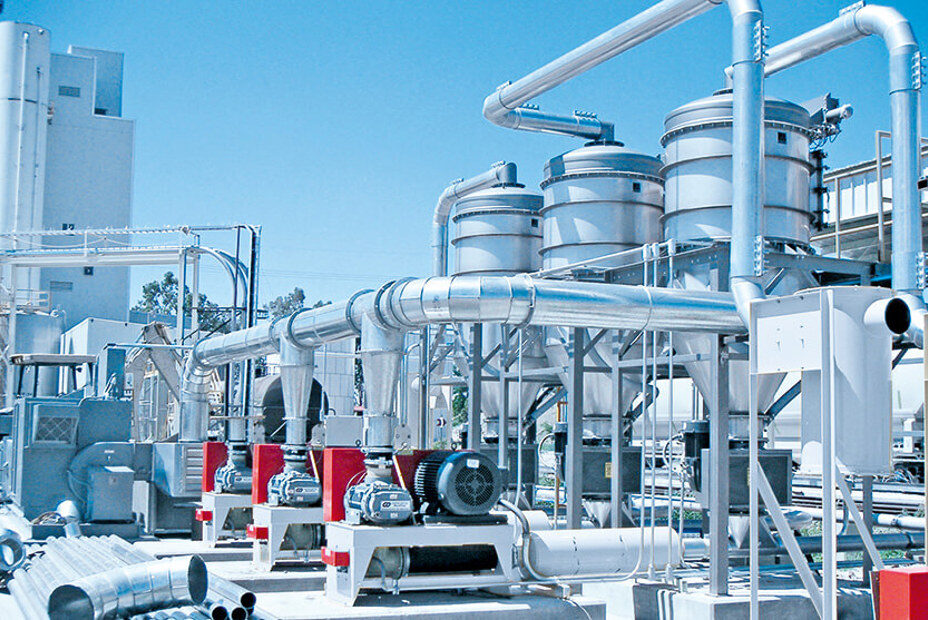
Why steady granule movement creates a stronger and more efficient workflow A smooth workflow begins with how consistently materials reach each stage of production. When plastic granules arrive without delay, mixers, dryers, extruders, and molding machines perform with better accuracy. When the feeding is inconsistent or unpredictable, the entire line struggles to maintain its rhythm. A well engineered plastic granule conveying system solves this challenge by moving granules steadily, cleanly, and reliably. This helps operators handle larger volumes without stress and supports machines that depend on continuous feeding. Many factories now trust Rajath Material Handling Systems Pvt Ltd because their conveying systems help plants increase output while reducing pressure on workers and equipment. Plastic granules behave differently based on size, moisture content, and bulk density. A plant that depends on manual feeding or basic transfer methods often faces clogging, bridging, and uneven flow. A professional plastic granule conveying system removes these obstacles by using controlled suction, smooth pipelines, and stable feeding points. This boosts workflow consistency and gives production teams the confidence to run equipment at higher efficiency. How automated conveying improves the speed of production A major advantage of using a plastic granule conveying system is the speed at which materials move from storage to processing. Manual feeding consumes time and requires operators to carry or lift bags repeatedly. These steps slow down production and add unnecessary strain. Automation eliminates this delay. By keeping granules flowing continuously and evenly, the conveying system helps machines work without interruption. This leads to quicker cycle times and improved hourly output. Systems designed by Rajath Material Handling Systems Pvt Ltd use efficient blowers, smooth pipelines, and well balanced control settings to make feeding fast and predictable. When material arrives on time, extruders maintain stable back pressure, molding machines maintain correct shot weight, and dryers maintain optimal loading conditions. This reduces waiting time and allows the entire line to run faster. Better flow control reduces blockages and feeding issues Feeding issues such as clogging or uneven flow create frustration on the floor and lead to downtime. A well designed plastic granule conveying system uses controlled suction to move granules without creating sudden bursts or stoppages. The pipeline is shaped to encourage smooth movement, and the system regulates airflow to prevent granules from gathering at bends. When flow remains stable, machines receive material at the correct rate and production remains consistent. Rajath Material Handling Systems Pvt Ltd engineers each layout based on plant structure, granule characteristics, and production volume. Their designs reduce the risk of choking at bends, prevent granules from accumulating inside hoppers, and keep the flow steady even during peak demand. This consistent movement supports stable machine operation and reduces unplanned downtime. Cleaner handling that supports a safer and more organized plant Granules that spill or scatter around the production floor create safety risks and increase cleanup time. A plastic granule conveying system helps maintain a clean environment by moving granules through enclosed pathways. This prevents spillage and keeps the production area free from loose material. Clean handling supports hygiene and reduces the chances of contamination for sensitive processes. Rajath Material Handling Systems Pvt Ltd brings cleanliness into every design by using dust controlled feeding, sealed connectors, and clear transfer pathways. This helps plants maintain a neat and organized environment where operators can work safely and efficiently. Clean movement also reduces the time spent on manual sweeping or granule recovery, which speeds up daily activity. Accurate feeding supports uniform product quality Consistency in feeding directly influences product quality. Extrusion lines require the right volume of granules to maintain melt flow, temperature balance, and pressure stability. Molding machines depend on accurate feeding to produce parts with correct weight and strength. A plastic granule conveying system keeps dosing accurate by delivering the right amount of granules without interruptions. Systems created by Rajath Material Handling Systems Pvt Ltd are built to maintain steady feeding even during long production cycles. The system reduces fluctuations, maintains correct hopper levels, and supports downstream machinery with a consistent supply. This leads to uniform product density, stable melt quality, and fewer rejections. Reduced manual effort keeps your team focused on higher value work Manual handling consumes energy and attention. Workers must carry bags, monitor feed levels, and make constant adjustments. This reduces productivity and can cause strain or fatigue. A well designed plastic granule conveying system frees operators from repetitive labor, allowing them to focus on process monitoring, quality checks, and machine optimization. Rajath Material Handling Systems Pvt Ltd ensures that the conveying system moves material without requiring constant human assistance. This shift reduces physical strain and creates a safer working environment while improving overall efficiency. Better equipment health through controlled movement Machines that experience sudden surges of material or irregular feeding often undergo more wear and tear. Controlled feeding protects equipment by delivering granules steadily. A plastic granule conveying system maintains smooth and gentle movement that reduces stress on valves, hoppers, and internal machine parts. Rajath Material Handling Systems Pvt Ltd uses engineering strategies that minimize turbulence and reduce shock loads inside pipelines. This leads to longer equipment life, fewer maintenance interruptions, and lower repair costs. Why engineered conveying leads to higher long term output The strength of a production line lies in how well it manages movement. A stable plastic granule conveying system helps maintain consistent feeding, clean operation, accurate volume control, and steady machine performance. When all these elements work together, the plant increases daily output without additional effort or risk. Rajath Material Handling Systems Pvt Ltd specializes in building conveying systems that support long term productivity. Their systems integrate with existing plant layouts, adjust to specific material needs, and maintain performance even under heavy loads. This helps industries scale production while protecting product quality and equipment durability. A reliable conveying system leads to stronger and faster production results A well engineered conveying system can transform the performance of a plastic processing plant. With the right plastic granule conveying system, material movement becomes predictable and clean. Systems

Plastic granule conveying system to boost your production today Read More »
Big bag filling station solutions that bring more consistency to your workflow

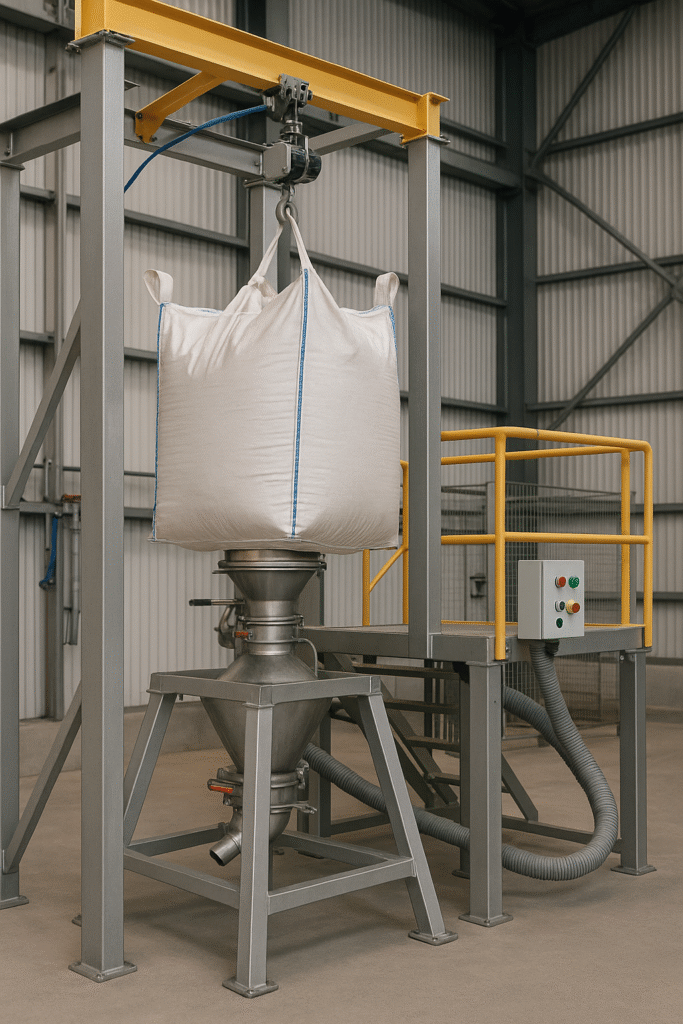
Why steady and predictable filling improves the rhythm of daily operations A smooth production flow depends on how reliably materials move from one stage to another. When large volumes of powders and granules enter the packing area without a stable process, the entire workflow becomes uneven. Operators struggle with weight variations, dust escape, inconsistent filling time, and unnecessary rework. A well engineered big bag filling station helps bring stability to these essential stages by controlling the fill rate, reducing manual effort, and ensuring weight accuracy. This level of consistency is valuable for every industry that relies on bulk handling. Many plants now choose systems from Rajath Material Handling Systems Pvt Ltd because they deliver reliable performance, cleaner operation, and a steady workflow. Materials behave differently depending on their density, particle size, and flow characteristics. When plants depend on manual methods or basic filling setups, the filling process becomes unpredictable. A professional big bag filling station manages these differences by using controlled feeding, accurate weighing, dust containment, and stable support structures. This keeps the entire operation cleaner and far more dependable. How automated filling improves the pace of production Automation removes the uncertainty that comes with manual bag handling. A well structured big bag filling station uses controlled valves, flow regulation, and weighing systems to keep the process consistent. When the rate of filling remains steady, operators can plan their work better and downstream processes remain synchronized. The filling time becomes predictable, which helps supervisors maintain a well balanced production schedule. Rajath Material Handling Systems Pvt Ltd integrates stable feeding systems and automated cutoff functions into each design. These features prevent overfilling and underfilling, which are two of the biggest causes of inconsistency. When every bag receives the correct quantity, the packing section moves faster and the workflow becomes easier to manage. Why accurate weighing leads to better batch quality Accuracy plays an important role in bulk packaging because every bag must contain the right amount of material. When weights vary, transportation becomes uneven, product quality becomes unpredictable, and customers may question reliability. A big bag filling station solves this by using load cell based weighing that tracks material as it enters the bag. The moment the target weight is achieved, the system stops the flow. This ensures every filled bag meets specifications without requiring manual corrections. Systems from Rajath Material Handling Systems Pvt Ltd are designed to maintain accuracy even when operating continuously. Their weighing modules remain stable under heavy loads, which makes them ideal for plants that depend on repeatable filling cycles throughout the day. Better dust control supports cleaner and safer handling Dust escape is one of the most common problems during bulk filling. When powder enters a flexible bag, the air inside the bag needs to escape. Without a proper mechanism, this air carries dust into the work environment. A well built big bag filling station prevents this by sealing the bag during filling and connecting the station to dust control systems. This keeps the workspace clean and protects workers from airborne particles. Rajath Material Handling Systems Pvt Ltd designs its filling stations with inflatable bag neck seals and dust collection points that minimize dust release. This helps plants maintain a cleaner packing area and reduces the time operators spend on cleaning tasks. A cleaner process leads to better workflow consistency because the team can stay focused on production instead of frequent cleanup. Flow enhancement features that maintain predictable filling Not all powders flow smoothly. Some compact inside the bag and require settling to fill correctly. A good big bag filling station uses vibration decks or densification platforms to help the material settle evenly. These features improve bag stability, increase usable volume, and maintain flow uniformity. When materials settle properly, the system avoids sudden interruptions or uneven filling cycles. Rajath Material Handling Systems Pvt Ltd engineers each station with the correct combination of vibration, controlled feeding, and stable bag support. This ensures the bag holds its shape, fills evenly, and reaches the correct weight without complications. How stable mechanical support improves workflow consistency A reliable supporting frame is important for handling flexible bags safely. If the frame is unstable, operators spend more time repositioning the bag or correcting the alignment. A strong big bag filling station uses a solid structure with guided hooks and clear bag positioning points. These features help operators attach the bag quickly and confidently. The filling stations offered by Rajath Material Handling Systems Pvt Ltd focus on operator comfort and equipment stability. Their designs reduce the need for repeated adjustments and keep the filling stage simple and organized. This creates a consistent workflow for both small and large batch operations. Why plants achieve better long term performance with engineered systems A consistent filling process leads to reduced downtime, lower material loss, and better utilization of manpower. When operators know each filling cycle will run smoothly, they can focus on quality checks and planning. A stable big bag filling station becomes a dependable part of the workflow instead of a point of uncertainty. Rajath Material Handling Systems Pvt Ltd provides engineered solutions that last longer, maintain accuracy, and protect product quality. Their filling stations help plants maintain a steady rhythm in production, reduce operational stress, and achieve predictable results day after day. A dependable filling process leads to a more consistent workflow Consistency is one of the strongest advantages a plant can gain from a reliable filling system. With the right big bag filling station, every stage becomes easier to manage. Systems from Rajath Material Handling Systems Pvt Ltd support steady material flow, accurate weighing, reduced dust, and predictable operation. These qualities help plants maintain a continuous and efficient workflow without frequent interruptions. When filling becomes stable, the entire production process benefits.

Big bag filling station solutions that bring more consistency to your workflow Read More »

Chemical powder conveying systems that reduce risk and improve consistency

Why safe and predictable movement of chemical powders matters in daily operations Handling chemical powders requires far more care than ordinary bulk materials because even small handling mistakes can lead to contamination, product degradation, inconsistent batches, or safety risks for operators. Many plants rely on manual processes that create uneven flow, dust escape, and sudden surges that affect downstream equipment. A well engineered approach such as chemical powder conveying helps industries manage powders in a controlled and predictable manner. By keeping the flow steady and the environment contained, plants reduce the chances of exposure, contamination, and equipment strain. This is why companies are now depending on advanced solutions from Rajath Material Handling Systems Pvt Ltd, which designs conveying systems that focus on safety, consistency, and long term reliability. Chemical powders behave differently from food or mineral powders. Some absorb moisture quickly. Some create static charges. Others are abrasive or fragile. Chemical powder conveying must therefore be designed with careful attention to pressure, airflow, material characteristics, and pathway design. With proper engineering, the system moves powder gently and consistently while protecting product quality and operator safety. How engineered conveying reduces handling risk When materials are handled manually, the risk of exposure increases. Operators may inhale dust, spill materials, or struggle with bags that burst under pressure. Chemical powder conveying removes this risk by enclosing the entire movement from bag unloading to downstream equipment. The enclosed pathway ensures the powder never enters the open environment. This protects workers and supports compliance with strict safety standards. Rajath Material Handling Systems Pvt Ltd uses sealing mechanisms, controlled airflow, and pressure regulated movement to ensure chemical powders travel safely through the pipeline. Another risk comes from uncontrolled flow. Chemical powders can form bridges inside equipment, clump unexpectedly, or rush through the pipeline faster than expected. These behaviors create surges that stress equipment. With the right conveying design, the material flow remains steady and predictable. This prevents sudden pressure spikes and keeps valves, bends, and feeding points safe from unexpected force. How consistency improves batch quality and downstream performance Batch accuracy depends heavily on how evenly powder enters the system. When material flow fluctuates, mixers, feeders, and dosing units receive inconsistent amounts of powder. This results in uneven product quality. Chemical powder conveying maintains a stable feeding pattern so downstream machines receive exactly what they expect. A consistent flow means each batch blends correctly, reaches the correct density, and maintains the required quality standards. Systems created by Rajath Material Handling Systems Pvt Ltd use controlled pressure, regulated airflow, and measured movement to maintain uniformity. This helps the production line avoid reprocessing, wastage, and inconsistent batches. When flow remains stable, the entire plant becomes more predictable and easier to manage. Reduced equipment strain through controlled movement Powders that travel at high speed damage pipelines, valves, and bends. Chemical powders can be abrasive or reactive, increasing the chance of wear. Chemical powder conveying uses controlled velocity to reduce friction and protect equipment from long term damage. Instead of moving with uncontrolled force, the powder travels at a programmed pace that protects each part of the system. Rajath Material Handling Systems Pvt Ltd carefully studies powder characteristics before designing a system. Their approach avoids turbulence, reduces internal pressure changes, and prevents particle collision inside the pipeline. With this careful design, the plant experiences fewer shutdowns and lower maintenance needs. Cleaner handling that prevents contamination and product loss Contamination is one of the biggest concerns in chemical processing. Even a small amount of foreign material can ruin an entire batch. Manual handling increases the risk of contamination because powders can spill or gather dust from the air. Chemical powder conveying solves this by sealing the entire pathway from start to end. The enclosed design prevents dust escape and ensures that powder remains pure. Systems designed by Rajath Material Handling Systems Pvt Ltd use sealed spouts, dust controlled transfer points, and clean internal pathways to support hygienic handling. This reduces the chance of mixing unwanted particles with chemical ingredients and helps maintain the quality of sensitive products. Better airflow management supports predictable movement Airflow plays an important role in how powders behave. Too much airflow pushes powder too fast. Too little airflow causes powder to settle and form blockages. Chemical powder conveying must balance this carefully. Stable airflow keeps the powder moving at the right pace without damaging it or disturbing downstream processes. Rajath Material Handling Systems Pvt Ltd uses airflow control methods that regulate pressure and deliver the exact amount of force needed to move powder without agitation. This stability helps operators maintain steady production without unexpected delays. Improved safety for operators and the entire facility Chemical powders can irritate the skin, harm the respiratory system, or cause reactions when exposed to moisture or heat. Manual handling exposes operators to these risks. Chemical powder conveying eliminates this exposure by separating the material from the work environment. Operators simply monitor the system instead of managing heavy bags or direct powder discharge. This reduces the chances of spills, dust clouds, and accidental exposure. Systems offered by Rajath Material Handling Systems Pvt Ltd also include features such as controlled bag discharging, dust capture points, and safe access areas to reduce operator risk while increasing productivity. Why the right conveying partner matters for long term performance Every plant needs a system built for its specific powders. A generic approach does not work for chemicals because each material behaves differently. Rajath Material Handling Systems Pvt Ltd studies every detail such as particle size, flow behavior, moisture sensitivity, and explosion risk before designing a conveying line. This ensures that the system performs reliably, reduces wear, protects workers, and improves batch quality. Over time, the plant experiences fewer shutdowns, less contamination, more consistent production, and safer handling conditions. Chemical powder conveying becomes a dependable part of the workflow rather than a point of concern. A strong conveying system creates a safer and more consistent plant A well designed conveying system supports chemical powder movement with reliability,

Chemical powder conveying systems that reduce risk and improve consistency Read More »

Dense phase conveying advantages you can use to reduce equipment wear

Why controlled material movement improves the life of your plant equipment Industrial plants handle powders and granules every day, and the way these materials move inside a system has a direct effect on equipment health. When the material flow is aggressive or uncontrolled, pipelines, bends, valves, and transfer points begin to wear out faster. This increases maintenance cycles and raises operating costs. A well engineered approach such as dense phase conveying helps industries slow down the movement of material while keeping the transfer steady and predictable. This lower speed delivery leads to less friction, fewer impacts, and greater stability. Many facilities that depend on powder movement now prefer systems designed by Rajath Material Handling Systems Pvt Ltd because they focus on equipment life, clean handling, and stable performance. Dense phase conveying works by moving materials at a slow and compact rate using carefully managed air pressure. Instead of suspending particles in a fast moving air stream, the system pushes material gently as a series of compacted clusters. This controlled motion reduces stress on the pipeline and lowers the chance of abrasion. Plants that handle abrasive powders, fragile granules, or high value materials benefit greatly from this approach. Rajath Material Handling Systems Pvt Ltd designs each system based on the behavior of the material so equipment wear remains minimal even under heavy use. How slow and steady transfer extends the life of conveying lines One of the strongest advantages of dense phase conveying is its ability to reduce friction inside the pipeline. In conventional systems, the material travels at high speed, colliding with the pipeline walls and wearing down the surface. These collisions may seem minor at first, but over time they create thin spots, leaks, and costly breakdowns. Dense phase conveying uses low velocity movement that prevents such impacts. The material glides along the pipeline instead of smashing against it, which helps maintain the strength of bends, elbows, and straight sections. The engineering team at Rajath Material Handling Systems Pvt Ltd considers every detail of the layout such as piping length, number of bends, and the nature of the product. By doing so, they ensure each dense phase conveying setup works with minimal turbulence and controlled pressure. This approach helps plants protect valuable equipment from unnecessary damage. Better control reduces stress on valves and feeding points Valves are some of the most sensitive components in any conveying system. They handle pressure changes, material flow, and mechanical movement. When the flow is too fast or unpredictable, valves begin to wear out faster. Dense phase conveying provides smooth, slow bursts of material that pass through valves with reduced stress. This helps the system maintain long lasting performance and reduces the frequency of replacements. Systems developed by Rajath Material Handling Systems Pvt Ltd use carefully selected valves that match the pressure and material characteristics of each plant. Their engineering decisions help maintain accuracy while protecting mechanical components from constant strain. With predictable flow, valves remain in good condition for a longer period, reducing maintenance work for the operators. Lower air speed reduces pipeline erosion High air velocity is one of the main reasons pipelines erode quickly. When particles move at high speed, they scrape the inner surface of the pipe. This happens even with materials that seem harmless. Over time the scraping action becomes severe, especially with hard or abrasive powders. Dense phase conveying solves this problem by keeping air velocity low. The material moves as dense pockets rather than flying freely, so the pipeline experiences much less surface damage. Rajath Material Handling Systems Pvt Ltd focuses on designing dense phase conveying lines that maintain correct pressure and controlled movement. This engineering approach results in longer pipeline life and fewer unplanned shutdowns. Improved product protection helps maintain equipment cleanliness Many materials break down when exposed to high speed movement. Fragile powders can fracture, generating fine dust that sticks to equipment. When this dust settles inside the pipeline or on equipment surfaces, it forms layers that require constant cleaning. Dense phase conveying maintains product integrity, preventing materials from breaking apart during transfer. This supports cleaner handling and reduces the buildup that can interfere with equipment performance. By using dense phase conveying systems created by Rajath Material Handling Systems Pvt Ltd, plants reduce the effort required to keep pipelines and downstream units clean. This decreases cleaning time, reduces contamination risks, and helps maintain smooth equipment function. Less turbulence leads to greater system stability Turbulence inside a conveying system increases wear by creating unpredictable pressure shifts. These shifts impact valves, bends, and feeding points. Dense phase conveying is engineered to maintain a stable environment with minimal turbulence. Pressure remains controlled, and material clusters move steadily along the pipeline. This stability reduces the load on every supporting component. Rajath Material Handling Systems Pvt Ltd uses simulations and design analysis to ensure that each dense phase conveying layout maintains balanced pressure. This makes the system reliable, predictable, and easier to maintain. Lower maintenance needs improve long term equipment life Plants that use dense phase conveying often experience fewer shutdowns and lower maintenance demands. When equipment does not suffer repeated impacts or erosion, the replacement cycles become longer. This means the plant spends less on spare parts and maintenance labor. It also allows the maintenance team to focus on preventive care instead of emergency repairs. Through well planned engineering, Rajath Material Handling Systems Pvt Ltd helps plants extend the life of their conveying lines and reduce unnecessary spending. Their dense phase conveying solutions become long term assets that support continuous workflow and predictable results. A smarter conveying strategy keeps equipment healthier for years Dense phase conveying provides a controlled and gentle movement method that protects pipelines, valves, and feeding systems from unnecessary wear. With the support of Rajath Material Handling Systems Pvt Ltd, industries gain access to designs that focus on durability, stability, and clean handling. These systems extend equipment life, reduce maintenance pressure, and support consistent production. When material moves with care and control, every part of

Dense phase conveying advantages you can use to reduce equipment wear Read More »

Material handling automation features that support fast and stable workflows

Why efficient movement of materials creates a stronger production environment Every manufacturing plant depends on uninterrupted movement of raw materials and finished goods. When the movement of these materials slows down, the entire workflow begins to feel the impact. Repeated delays create stress on equipment and workers, and even small disruptions can affect the quality of output. This is why many industries are shifting to material handling automation as a dependable way to improve consistency and reduce the physical effort required for day to day operations. With the growing demand for cleaner environments, accurate transfers, and predictable batch results, companies look for systems that provide stability instead of manual uncertainty. Rajath Material Handling Systems Pvt Ltd supports this goal by offering solutions built to enhance flow, reduce errors, and maintain steady performance in busy facilities. Material handling automation brings accuracy and repeatability into processes that were once heavily dependent on manual action. When the flow of materials becomes predictable, production lines work with less strain and fewer interruptions. This directly improves plant performance and reduces the burden on operators. Every minute saved at a transfer point adds up to significant time over a full shift, which is why smart automation becomes an important part of modern operations. Rajath Material Handling Systems Pvt Ltd focuses on creating systems that remove guesswork from movement and allow each stage of the plant to work with confidence. How automation reduces delays and speeds up material flow A major advantage of material handling automation is its ability to move materials at a steady pace without pauses or inconsistencies. Manual handling often results in uneven movement, especially when workers deal with heavy bags, uneven material flow, or repetitive transfers. Automated systems follow a consistent pattern programmed to match the needs of the plant. Conveyors, controlled feeders, and automated unloading stations ensure that materials travel at the right speed without backflow or buildup. This type of structure prevents material pileup at critical points and keeps the next stage of production ready at all times. For example, when a big bag unloading station is automated, the discharge rate remains controlled. This prevents sudden surges that could overwhelm downstream equipment. Rajath Material Handling Systems Pvt Ltd designs automation systems so that the entire flow remains balanced from start to finish. This keeps the workflow smooth and prevents unnecessary stops caused by uneven feeding. Better accuracy in every stage of handling Accuracy matters in both small batch and large batch operations. When measurements are inconsistent, it affects the final product and results in rework or loss of raw materials. Material handling automation supports accuracy by ensuring that the right amount of material moves at the right time. Automated valves, weighing systems, and controlled conveyors help maintain steady distribution without overflow or starvation. Systems engineered by Rajath Material Handling Systems Pvt Ltd are built with precise control so the plant maintains batch accuracy without relying on manual timing. This consistency is especially important for powders that need regulated flow. The design ensures that each movement supports quality control and avoids mix variations that create waste or downtime. Improved safety through controlled movement Safety remains a top priority in any industrial facility. Manual lifting, carrying, or pushing increases the chance of strain, injury, or exposure to dust. Material handling automation removes these risks by replacing physical labor with mechanical support. Automated systems handle repetitive lifting, steady pouring, guided flow, and controlled discharge that would otherwise require significant manual effort. A structured automated setup also prevents sudden material drops or unplanned releases. This improves the experience for operators who can now supervise processes without positioning themselves in hazardous areas. Rajath Material Handling Systems Pvt Ltd integrates safety focused designs into each system, reducing physical strain and protecting the workforce from unpredictable material movement. Controlled automation results in fewer spills, fewer stoppages, and a safer work environment for everyone in the plant. How automation supports stability in high volume operations Plants dealing with large volumes of powders or granules need stable flow to avoid frequent adjustments. When bulk material stops flowing smoothly, production slows down and the quality of finished products may fluctuate. Material handling automation removes these inconsistencies by using sensors, controlled feeders, and engineered pathways that help materials move steadily at all times. Automation also ensures that containers, silos, hoppers, and unloading systems remain filled at the correct level. Controlled flow prevents choking and reduces the risk of bridging in hoppers. Systems developed by Rajath Material Handling Systems Pvt Ltd help high volume operations maintain a predictable pace so that every connected machine receives material exactly when it needs it. This stability reduces operator stress and helps the team maintain focus on quality instead of constant manual adjustments. Cleaner and more organized transfer of materials Clean handling plays a major role in industries that process powders. Dust escape or spills extend cleaning time, interrupt production, and create a less safe environment. Material handling automation ensures enclosed movement that keeps materials inside their designated pathways. Automated unloading stations, sealed connections, and dust managed flow support a cleaner workspace. The engineering team at Rajath Material Handling Systems Pvt Ltd focuses on creating equipment that controls material from the moment it enters the system until it reaches the final stage. This reduces cleanup work, keeps the plant environment organized, and supports hygienic handling for food, chemical, and pharmaceutical applications. Clean movement is not just about appearance. It also ensures that each batch remains pure and free from contamination. Why automation builds long term workflow reliability Reliability allows plants to increase production without increasing risk. When systems become automated, human error reduces significantly and the workflow becomes more predictable. Machines follow structured programs that remain consistent throughout the day. This consistency makes planning easier and helps supervisors manage shifts with fewer interruptions. When a plant depends on material handling automation, it gains the ability to scale production without compromising safety or accuracy. Rajath Material Handling Systems Pvt Ltd supports long term reliability by installing systems

Material handling automation features that support fast and stable workflows Read More »

Petrochemical industry on sunset

Big bag unloading system solutions that improve safe and smooth discharge

Understanding the importance of reliable unloading for bulk materials Handling bulk powders and granules requires more than just strong equipment. Industries need a dependable process that keeps the environment clean, ensures consistent flow, and protects workers from dust and exposure. This is where a well engineered big bag unloading system becomes essential. A smooth discharge process prevents product loss, reduces contamination risks, and maintains steady production without interruptions. Many industries now depend on advanced systems from Rajath Material Handling Systems Pvt Ltd because they provide reliable unloading solutions that support safe and predictable operations. A big bag unloading system is designed to empty material from large flexible bags using controlled flow. When the bag is lifted and connected to the spout, the system manages the material movement using flow aids, sealing mechanisms, and supporting frames. This makes the unloading stage cleaner and easier for operators. Every plant that handles powders or granules understands the cost of spillage, dust release, and inconsistent flow. With support from Rajath Material Handling Systems Pvt Ltd, these issues become manageable because the system keeps everything steady and under control. Why industries need a structured unloading process Unloading from large bags may look simple, but without the right structure it can lead to material clumping or sudden surges that affect downstream equipment. Many powders behave differently under pressure, humidity, or vibration. Some bridge inside the bag while others flow too quickly. A stable big bag unloading system handles these variables and keeps the discharge predictable. When discharge remains predictable, the rest of the production line performs better. This is one of the reasons companies depend on Rajath Material Handling Systems Pvt Ltd to design systems that support consistent bulk flow. A strong discharge process also reduces safety risks. When workers cut the bag without proper sealing, dust escapes into the air. This not only creates a health concern but also leads to product loss. The right system uses sealing rings, dust control arrangements, and stable support frames to keep the environment clean and prevent exposure. How modern systems improve flow control A modern big bag unloading system uses different flow enhancement features to make discharge smooth. Vibration plates gently shake the bag to loosen compacted material. Massage paddles press the sides of the bag to encourage consistent flow. Some materials need air fluidizing pads that help powders move freely toward the outlet. These features reduce clogging and make sure the material leaves the bag at a steady rate that does not overload the next stage of production. Systems built by Rajath Material Handling Systems Pvt Ltd include these features based on the nature of the material. Their engineers study powder behavior, particle size, and flow characteristics before choosing the right combination. This approach helps the plant avoid sudden blockages, inconsistent feeding, or downtime caused by unpredictable discharge. Dust control that keeps the workspace clean Dust release during discharge creates problems that include product loss, contamination, safety risks, and unnecessary cleanup. A well designed big bag unloading system solves this by forming a tight connection around the bag spout. This prevents air movement that usually pulls dust into the open environment. Many industries now rely on unloading stations combined with dust extraction units to maintain a clean workspace. Rajath Material Handling Systems Pvt Ltd integrates efficient dust handling designs into their unloading stations. Their systems keep dust contained inside the equipment so operators work confidently without worrying about airborne particles. A controlled dust environment also improves the performance of downstream equipment by keeping sensitive machines free from buildup. Safety features that protect operators Safety is one of the strongest reasons to adopt an engineered big bag unloading system. Instead of asking workers to manually cut the bag and release material, unloading stations provide a safe and supported method. They include secure lifting frames, easy access platforms, and sealing mechanisms that protect workers from sudden discharge. Many plants struggle with ergonomic issues when bags are handled without support. The systems created by Rajath Material Handling Systems Pvt Ltd solve this by reducing strain, improving stability, and offering safe operator access. When the system takes responsibility for heavy lifting, controlled cutting, sealing, and dust reduction, workers remain safer and production continues without risk. Improving consistency across the entire production line A stable discharge process improves batch consistency and eliminates the need for frequent adjustments. When material flows at a steady rate, the downstream mixers, feeders, and conveyors operate with better efficiency. A plant that invests in a reliable big bag unloading system gains more than just unloading convenience. It gains predictable production behavior, lesser waste, and improved output quality. Rajath Material Handling Systems Pvt Ltd ensures that each system integrates naturally with the rest of the plant. Their unloading stations work smoothly with pneumatic conveying systems, mechanical feeders, and weighing stations to create a continuous flow from raw material intake to final processing. Why Rajath Material Handling Systems Pvt Ltd makes a difference The advantage of working with Rajath Material Handling Systems Pvt Ltd comes from their understanding of how powders behave and how industrial plants operate. Their systems are built for real world industrial conditions. They focus on clean operation, consistent discharge, operator safety, and long equipment life. This makes their big bag unloading system a dependable part of the production cycle rather than a source of random problems. Their engineering team ensures every system provides stable support, smooth flow, predictable discharge, and a clean work environment. This attention to detail helps industries reduce downtime, reduce waste, and increase plant reliability. A dependable unloading system leads to better performance A plant that uses a well designed big bag unloading system experiences fewer interruptions, safer operations, and consistent material flow. With the right structure and support from Rajath Material Handling Systems Pvt Ltd, industries achieve predictable results and smooth discharge in every batch. The unloading stage becomes an efficient part of production and contributes directly to overall plant performance.

Big bag unloading system solutions that improve safe and smooth discharge Read More »

Petrochemical industry on sunset

How energy efficiency increases when a dust extraction system maintains stable airflow

Understanding how stable airflow improves the entire operation Energy use in any industrial plant depends on how smoothly equipment performs its daily functions. When airflow becomes inconsistent, machines struggle to maintain balance, compressors run longer than they should, and electrical consumption rises even during normal production. This is one of the reasons many industries depend on a dust extraction system to keep airflow steady and predictable. A stable environment allows every connected unit to work with less strain. This becomes even more effective when the system is engineered and installed by a team with real experience. Rajath Material Handling Systems Pvt Ltd supports industries by building dust extraction systems that maintain smooth airflow and reduce unnecessary power usage. A stable airflow pattern allows the dust extraction system to pull air at a constant speed without sudden drops or spikes. When airflow fluctuates, fans and blowers compensate by drawing more power. This continuous adjustment drains energy and increases operating costs. Plants that rely on a well structured design from Rajath Material Handling Systems Pvt Ltd avoid this issue because the system works in a steady and controlled manner that reduces load on the equipment. Why energy performance improves with smooth airflow A dust extraction system uses air movement to capture dust and direct it into filters or collection units. If the airflow is weak or unstable, dust does not move efficiently and falls back into the workspace. When this happens, the equipment needs to run longer to compensate. This cycle wastes energy and reduces the lifespan of the machines. A stable airflow created by Rajath Material Handling Systems Pvt Ltd prevents this problem and keeps the entire process predictable. Consistency reduces stress on motors and improves the overall efficiency of the plant. Stable airflow also ensures better filter performance. Filters work best only when the air passing through them moves at a consistent rate. If airflow speeds up suddenly, filters clog faster. If airflow slows down, dust settles inside pipelines. Both conditions force the system to use more power. A well engineered dust extraction system from Rajath Material Handling Systems Pvt Ltd keeps airflow balanced so filters last longer and energy use remains under control. Balanced airflow reduces load on blowers Blowers are at the heart of every dust extraction setup. They create the suction that pulls air from various parts of the plant. If airflow is irregular, blowers keep adjusting their speed. Every adjustment requires a power spike. Over time these spikes increase energy bills. A stable airflow prevents blowers from running under stress. The dust extraction system operates smoothly and blowers consume only the amount of energy required for consistent performance. This is one of the reasons many facilities trust Rajath Material Handling Systems Pvt Ltd to design systems that avoid turbulence and pressure imbalance. A stable airflow also reduces heat generation inside blowers. When blowers overwork due to sudden airflow changes, they heat up quickly. This not only increases energy use but also forces the system to shut down frequently for cooling. A dust extraction system with steady airflow maintains a safe temperature range and prevents unnecessary overheating. How stable airflow supports the entire production line A dust extraction system does more than pull dust from the air. It maintains an environment where other equipment can work smoothly. For example, machines that handle powders or granules perform better when the surrounding air remains clean. Sudden changes in airflow can push dust back into the process and slow down production. This interruption makes conveyors, mixers, and packaging units work harder, which again increases electricity consumption. Systems installed by Rajath Material Handling Systems Pvt Ltd prevent these disruptions by keeping the airflow steady across every connected unit. A consistent air path also protects sensitive materials. In industries such as food, pharmaceuticals, and chemicals, dust can contaminate ingredients. A stable airflow ensures that everything moves in one direction toward the dust extraction system without swirling back into the workspace. This reduces waste, avoids contamination, and lowers the extra energy needed to redo or clean faulty batches. Longer equipment life reduces energy costs Energy efficiency is not only about immediate power savings. It is also about long term cost reduction. A dust extraction system with stable airflow creates less vibration, less friction, and less mechanical stress across the network. Motors last longer, belts remain intact, and control systems do not experience sudden load changes. This reduces the need for frequent repairs and replacements. Plants using solutions from Rajath Material Handling Systems Pvt Ltd notice savings not only in electricity bills but also in maintenance budgets. A stable system also reduces downtime. Equipment that shuts down often due to airflow problems consumes more energy when it restarts. Stable airflow avoids this cycle entirely. Machines run smoothly through each shift, and the dust extraction system continues to support consistent production without drawing excess electricity. Why industries trust Rajath Material Handling Systems Pvt Ltd Industries that want to improve efficiency cannot rely on basic dust extraction setups. They need systems designed around real plant conditions. Rajath Material Handling Systems Pvt Ltd studies airflow paths, equipment layout, material type, and dust behavior before designing a dust extraction system. This approach ensures that airflow remains steady through every stage of operation. Their dust extraction systems offer predictable performance, longer equipment life, and significantly lower energy consumption. The system becomes a part of everyday production, supporting clean air, smooth operations, and cost effective performance. A stable dust extraction system leads to better energy use Energy efficiency grows naturally when airflow remains smooth. A plant that uses a well designed dust extraction system from Rajath Material Handling Systems Pvt Ltd experiences fewer power spikes, less equipment stress, and a cleaner work environment. Stable airflow allows all units to operate at their best without wasting energy. This helps companies maintain productivity while reducing long term operating expenses.

How energy efficiency increases when a dust extraction system maintains stable airflow Read More »

A modern industrial facility featuring pneumatic conveying systems with multiple interconnected pipes and storage units, ideal for efficient powder handling processes.

Improving Productivity with Automated Big Bag Filling Stations

Boosting Industrial Efficiency with Automated Big Bag Filling Stations Handling bulk materials efficiently is essential for every modern manufacturing unit. Industries that work with powders, granules, chemicals, minerals, food ingredients, or plastic pellets rely on fast and accurate packaging to keep their production lines moving smoothly. Automated Big Bag Filling Stations help companies improve productivity by ensuring that large bags are filled with precision, consistency, and minimal manual effort. Rajath Material Handling Systems Pvt Ltd designs advanced Big Bag Filling Stations that combine automation, accuracy, and safety. These systems help industries reduce material loss, cut labor time, and maintain clean and controlled operations. Understanding Automated Big Bag Filling Stations Big Bag Filling Stations are designed to fill jumbo bags or FIBC bags that can hold anywhere from five hundred kilograms to two thousand kilograms. Automation in these systems reduces the need for manual intervention, speeds up the filling process, and improves consistency across every batch. A well engineered station uses intelligent weighing, smooth material flow control, and dust containment to ensure each bag is filled to the exact target weight. How Automation Improves Productivity Consistent and Accurate Filling Automated systems measure the weight continuously and stop filling at the exact target value. Rajath Material’s Big Bag Filling Stations use precise load cell based weighing technology to guarantee uniform results and eliminate human error. Faster Filling Cycles Automation handles multiple bags in less time. Automated valves and vibration decks help material settle faster and reduce the filling duration. Reduced Manual Labor With less operator involvement required, workers can focus on other important tasks. Automation also improves safety by reducing exposure to dust and heavy lifting. Better Material Flow Control Automated systems maintain stable flow rates with the help of modern control technology, making the entire process smoother and more reliable. Key Features That Enhance Efficiency Real Time Weight Monitoring Load cells track the filling weight continuously, ensuring accuracy for every bag. Inflatable Bag Neck Seals These create a secure and dust free connection between the bag and the filling spout, maintaining a clean operation. Vibration Densification Deck This feature helps settle the material evenly inside the bag, maximizing usable volume and improving stability. Automated Cut Off System The system stops flow automatically once the target weight is reached, preventing overflows and underfilling Benefits of Using Automated Big Bag Filling Stations Higher Productivity and Output Automation reduces cycle time and ensures consistent results, allowing factories to handle more batches per shift. Clean and Dust Free Operation Enclosed filling points and dust extraction features help maintain hygiene and reduce product loss. Improved Operator Safety Operators are responsible only for positioning the bag and removing it after filling, reducing exposure to dust and heavy materials. Better Quality Control Accurate weighing ensures uniform product batches and supports quality standards across industries. Applications Across Industries Automated Big Bag Filling Stations are widely used in food processing, pharmaceuticals, plastics, chemicals, minerals, construction materials, and agriculture. Their ability to handle powders and granules with precision makes them ideal for both high volume and high hygiene operations. Why Choose Rajath Material Handling Systems Pvt Ltd With deep expertise in bulk material handling, Rajath Material Handling Systems Pvt Ltd delivers Filling Stations that are reliable, user friendly, and tailored to industry needs. Each system is built with durable components, intelligent controls, and hygienic designs that help companies improve efficiency and reduce operational costs. Smarter Filling for Smarter Production Automated Big Bag Filling Stations give industries a powerful way to boost productivity, reduce manual effort, and maintain clean and accurate operations. When supported by modern automation and robust engineering, they ensure long term performance and consistent results. Rajath Material Handling Systems Pvt Ltd continues to deliver engineered solutions that help industries achieve clean, efficient, and high quality material handling.

Improving Productivity with Automated Big Bag Filling Stations Read More »

How Pneumatic Conveyors Reduce Product Loss in Processing Units

Why Product Loss Happens in Processing Units and How Pneumatic Conveyors Prevent It Product loss is one of the biggest challenges in industries that handle bulk powders and granules. Whether it is food ingredients, pharmaceutical powders, plastic pellets, or chemical materials, even small losses during conveying can add up to major financial impact over time. Efficient handling systems play a key role in reducing waste, controlling dust, and protecting product quality. This is where pneumatic conveyors offer a clear advantage over traditional mechanical systems. Rajath Material Handling Systems Pvt Ltd designs advanced pneumatic conveying solutions that ensure clean, safe, and precise material transfer. By relying on controlled airflow instead of moving belts or screws, pneumatic conveyors help industries maintain accuracy while preventing unnecessary product loss. Understanding How Pneumatic Conveyors Work Pneumatic conveyors use air pressure or vacuum to move materials through an enclosed pipeline. Because everything happens inside sealed tubes, the risk of spillage or contamination is significantly reduced. This makes pneumatic conveying ideal for sensitive materials where quality and hygiene are a priority. The design allows materials to flow smoothly and consistently across long or complex plant layouts. This enclosed method forms the foundation for reducing product loss throughout the system. 1. Eliminates Spillage During Transfer In mechanical conveyors, materials often spill at transfer points, corners, or vibrating components. This leads to visible waste and frequent cleanup. Pneumatic conveyors prevent this because the material moves entirely inside enclosed pipelines. There are no open belts or exposed surfaces that can leak or cause product to fall off during movement. Rajath Material’s systems are engineered to deliver a clean transfer from the feeding point to the destination, ensuring every particle is accounted for. 2. Reduces Dust Escape and Airborne Loss Fine powders can easily escape into the air when transferred using open mechanical systems. This not only leads to product loss but also creates workplace hazards and increased cleaning requirements. With pneumatic conveyors, materials remain contained within closed pipelines. Airflow is carefully controlled using blowers, valves, and filters, keeping dust from escaping into the environment. Rajath Material integrates high efficiency dust control units into their systems to support safe and clean air during production. 3. Prevents Material Degradation Some materials are fragile and can break down when handled through mechanical methods. When powders or granules degrade, they become unusable or require reprocessing, which increases waste. Pneumatic conveyors use smooth interior pipelines with controlled airflow, preventing harsh impacts or excessive friction. This gentle conveying method protects material integrity and reduces the chance of quality loss. Rajath Material’s dense phase conveying options further minimize degradation for delicate products. 4. Reduces Cross Contamination Loss When different products are processed in the same facility, cross contamination can lead to rejected batches and wasted materials. Mechanical conveyors leave residues behind that are difficult to clean. Pneumatic conveyors allow quick cleaning between batches. Their smooth, stainless steel interiors make it easier to flush out residues, reducing the risk of mixing one product with another. For industries like food, chemicals, and pharmaceuticals, this is vital for maintaining purity and avoiding costly product loss. 5. Minimizes Wear and Tear on Equipment When conveyor parts wear out, gaps and misalignments can cause product leakage. Mechanical systems often experience wear on belts, rollers, and chains that contribute to loss over time. Pneumatic conveyors have fewer mechanical components, which means less wear and fewer opportunities for leakage. Rajath Material’s systems use durable materials and airtight designs to keep pipelines sealed and functioning at their best for long periods. 6. Ensures Accurate Feeding and Discharge Precise feeding into mixers, blenders, hoppers, and silos is essential for consistent production. Poor feeding systems cause overflow, backflow, or inconsistent flow rates that lead to waste. Pneumatic conveyors use controlled airflow, valves, and rotary feeders to ensure accurate material delivery. Rajath Material employs smart automation tools and sensors to maintain stable flow and reduce overfeeding or underfeeding errors 7. Supports Hygienic and Clean Operations Clean operations reduce both visible and hidden product loss. Pneumatic conveyors support hygiene by preventing dust accumulation on equipment and surrounding areas. Their enclosed design helps maintain safety standards and reduces the need for frequent manual cleaning. Rajath Material also integrates dust extraction systems and easily cleanable pipeline designs for hygienic operation across all industries. Achieving Better Efficiency with Pneumatic Conveying A well engineered pneumatic conveying system not only reduces product loss but also improves overall productivity and plant efficiency. With accurate transfer, enclosed designs, and smooth material flow, industries benefit from reduced waste, higher yield, and safer working environments. Rajath Material Handling Systems Pvt Ltd continues to lead the way with pneumatic conveying solutions that deliver reliability, precision, and efficiency. Their systems are built to help industries handle materials with maximum control, minimum waste, and consistent quality. Rajath Material Handling Systems Pvt Ltd Engineering Smarter Material Handling Solutions for Modern Industries

How Pneumatic Conveyors Reduce Product Loss in Processing Units Read More »

How to Maintain Your Pneumatic Conveying System for Peak Performance

Keeping Your Pneumatic Conveying System Running at Peak Performance A well-designed pneumatic conveying system can transform the way industries handle bulk materials by making operations cleaner, safer, and more efficient. However, to keep it performing at its best, regular maintenance and system monitoring are essential. Every part of the conveying line, from blowers to pipelines, plays a crucial role in ensuring steady material flow. Over time, even small blockages or air leaks can reduce efficiency, increase energy use, and cause costly downtime. Rajath Material Handling Systems Pvt Ltd provides complete solutions for pneumatic conveying, including expert guidance on proper maintenance practices to extend equipment life and maintain consistent performance. Why Regular Maintenance Matters The performance of a pneumatic conveying system depends on stable air pressure, clean pipelines, and well-tuned equipment. When maintenance is neglected, systems may face reduced conveying capacity, uneven material flow, or even contamination. Preventive maintenance helps identify small issues before they grow into major problems, keeping production smooth and reliable 1. Inspect Pipelines for Leaks and Blockages Pipelines are the core of every pneumatic conveying system. Over time, materials can settle in bends or joints, causing partial blockages. Leaks may also develop at connections, resulting in pressure loss and reduced conveying efficiency. Tip: Schedule regular inspections to detect cracks or loose fittings early. Rajath Material recommends using pressure sensors and flow meters to monitor system integrity and ensure that airflow remains steady throughout the line. 2. Clean Filters and Dust Collectors Frequently Filters and dust collectors prevent fine particles from escaping into the air. When these components become clogged, they restrict airflow and reduce system performance. Tip: Clean or replace filters periodically, depending on material type and usage frequency. Rajath Material’s advanced dust extraction units are designed for easy maintenance and quick filter changes, keeping your system both efficient and compliant with safety standards. 3. Calibrate Sensors and Control Systems Modern pneumatic conveying relies heavily on automated controls that manage pressure, air velocity, and feed rate. If sensors drift from calibration, the system may over- or under-convey materials, leading to inconsistent product quality. Tip: Calibrate weighing sensors, flow meters, and pressure gauges regularly. Rajath Material’s systems use precise electronic controls that can be easily recalibrated to maintain accuracy in every transfer. 4. Lubricate Moving Parts and Blowers While pneumatic conveying has fewer mechanical parts than traditional conveyors, components such as rotary valves, blowers, and airlocks still require proper lubrication. Insufficient lubrication can cause friction, wear, and energy loss. Tip: Use manufacturer-recommended lubricants and follow a fixed lubrication schedule. Rajath Material designs systems with durable, low-maintenance blowers that maintain smooth performance with minimal upkeep. 5. Check Air Supply and Pressure Levels Stable air supply is critical for smooth conveying. Inconsistent air pressure can cause surges or uneven material flow. Tip: Inspect compressors, air receivers, and pressure regulators regularly. Ensure that the air filters are clean and free of moisture. Rajath Material integrates pressure monitoring devices that automatically alert operators if pressure levels fall outside the ideal range. 6. Keep Conveying Lines Dry and Clean Moisture in the conveying line can cause powders to clump, stick, or form blockages. Maintaining dry, clean pipelines ensures consistent flow and prevents contamination. Tip: After cleaning, always ensure the lines are completely dry before restarting. Rajath Material’s systems are built with smooth stainless-steel interiors that resist buildup and make cleaning easier between batches. 7. Record and Review Maintenance Data Tracking system performance and maintenance schedules helps identify patterns in wear, airflow loss, or component replacement needs. Tip: Maintain a logbook or digital record for every service activity. This not only improves accountability but also supports long-term performance tracking. Rajath Material’s systems can be equipped with smart diagnostic tools for real-time monitoring and reporting. Ensuring Long-Term Efficiency through Proper Care A pneumatic conveying system that is regularly maintained will deliver consistent results, lower operating costs, and ensure safe, dust-free operations. Proper care extends the lifespan of critical components and keeps production lines running smoothly with minimal downtime. With over twenty-five years of engineering experience, Rajath Material Handling Systems Pvt Ltd provides both robust conveying solutions and ongoing support to help industries achieve peak performance. From design to installation and after-sales service, Rajath Material ensures that every system continues to perform at its best throughout its lifecycle. Rajath Material Handling Systems Pvt Ltd – Engineering Smarter Material Handling Solutions for Modern Industries.

How to Maintain Your Pneumatic Conveying System for Peak Performance Read More »

Scroll to Top