
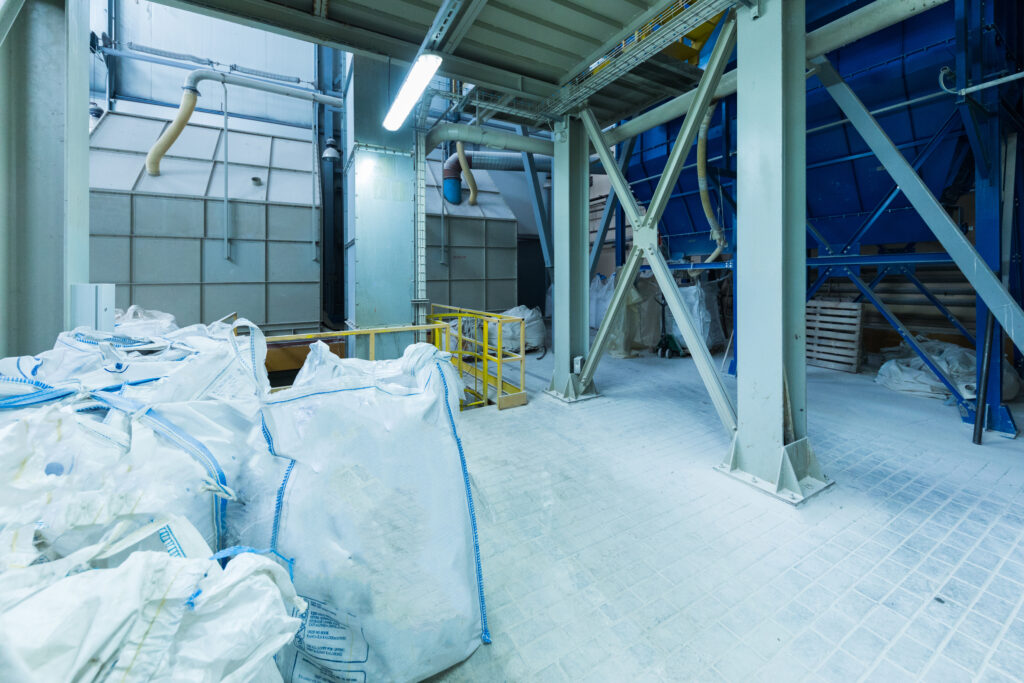
In modern manufacturing and processing industries, efficiency and precision are key to maintaining profitability and meeting production deadlines. Handling bulk materials like powders, granules, and chemicals can be challenging, especially when relying on manual processes. This is where big bag filling systems, also known as FIBC (Flexible Intermediate Bulk Container) filling systems, play a crucial role.
Big bag filling systems are engineered to streamline the packaging process, minimize material loss, and improve workplace safety. In this article, we will explore how these systems enhance industrial efficiency and why they have become indispensable in today’s industrial operations.
What is a Big Bag Filling System?
A big bag filling system is an automated or semi-automated solution designed to fill large bulk bags, commonly called FIBCs or jumbo bags, with powders, granules, or other bulk materials. These systems can weigh, fill, and discharge materials with high accuracy while maintaining a clean and controlled environment.
By automating the filling process, industries reduce dependence on manual labor, prevent product wastage, and improve overall productivity.
Key Ways Big Bag Filling Systems Improve Efficiency
1. Faster Material Handling
Manual filling of bulk bags is time-consuming and prone to errors. Big bag filling systems can fill bags in a fraction of the time, allowing factories to process more material in less time. This directly boosts production capacity without increasing labor costs.
2. Accurate and Consistent Filling
Accuracy is critical in industries like pharmaceuticals, chemicals, and food processing. Big bag filling systems use weighing and flow control mechanisms to ensure each bag contains the exact required quantity, reducing material loss and improving product consistency.
3. Reduced Labor Dependency
With automation, the need for multiple workers to lift, fill, and manage heavy bags is minimized. This reduces labor costs, improves safety, and allows staff to focus on other critical operations.
4. Dust-Free Operations
Bulk materials, especially powders, can generate dust during manual handling. Big bag filling systems are designed to contain dust and particles, often integrating with dust extraction systems, ensuring a cleaner and safer workplace.
5. Integration with Other Material Handling Systems
Big bag filling systems can be integrated with pneumatic conveying systems, conveyors, and weighing systems. This creates a seamless workflow from material transfer to packaging, further optimizing production efficiency.
6. Flexibility Across Industries
These systems can handle a wide variety of materials, from fine powders to large granules, making them versatile solutions for multiple industries, including food processing, chemicals, plastics, and pharmaceuticals.
7. Improved Workplace Safety
Handling large, heavy bags manually can lead to injuries and accidents. Automated filling systems minimize manual lifting and movement, significantly reducing workplace hazards and ensuring compliance with safety standards.
Industries Benefiting from Big Bag Filling Systems
Big bag filling systems are widely adopted across sectors that handle bulk materials, such as:
- Food & Beverage: Flour, sugar, spices, and grains
- Pharmaceuticals: Powders and granules requiring hygienic handling
- Chemicals: Bulk powders, minerals, and resins
- Plastics: Plastic pellets, masterbatches, and granules
- Construction Materials: Cement, sand, and other bulk powders
Conclusion
Incorporating a big bag filling system into industrial operations is more than just a modernization step—it is a strategic move to improve efficiency, reduce waste, and enhance workplace safety. By automating bulk bag filling, industries can handle larger volumes of materials more quickly, accurately, and safely.
As manufacturing and processing industries continue to grow, the adoption of efficient bulk handling solutions like big bag filling systems will remain critical to staying competitive and meeting production demands.