
The Demands of High Speed Production Lines
High speed production lines are designed for continuous output rapid material movement and minimal downtime In such environments cleanliness and safety are constantly tested Increased throughput amplifies dust generation spillage equipment stress and human error Managing factory cleanliness and safety in high speed production lines requires intentional systems disciplined routines and preventive controls that work reliably under pressure rather than reactive fixes after problems occur
Why Speed Raises Cleanliness and Safety Risks
As line speed increases the margin for error narrows Small spills spread faster dust accumulates quickly and maintenance windows shrink These factors can compromise air quality visibility and worker safety Managing factory cleanliness and safety in high speed production lines means recognizing that speed magnifies weaknesses in material flow layout and handling methods Proactive control is essential to prevent minor issues from escalating into incidents or stoppages
Controlling Material Flow to Maintain Order
Uncontrolled material movement is a primary source of mess and hazards on fast lines Predictable enclosed material transfer reduces spillage and keeps work zones organized By stabilizing feed rates and transfer points factories maintain cleanliness even at peak speeds Consistent material flow also reduces operator intervention which directly improves safety on high speed production lines
Dust Control at the Source
Dust generation increases with throughput and impacts health equipment reliability and product quality Managing factory cleanliness and safety in high speed production lines depends on containing dust where it starts Enclosed transfer points sealed discharge zones and localized extraction prevent dust migration This approach maintains clear visibility protects workers and minimizes cleaning interruptions during continuous runs
Reducing Manual Handling Under Time Pressure
Manual handling becomes riskier as pace increases Rushed lifting repetitive motion and shortcuts lead to injuries and errors High speed lines remain safer when manual intervention is minimized through automated or assisted handling Fewer touchpoints mean fewer opportunities for accidents and more consistent operations across shifts
Layouts Designed for Speed and Safety
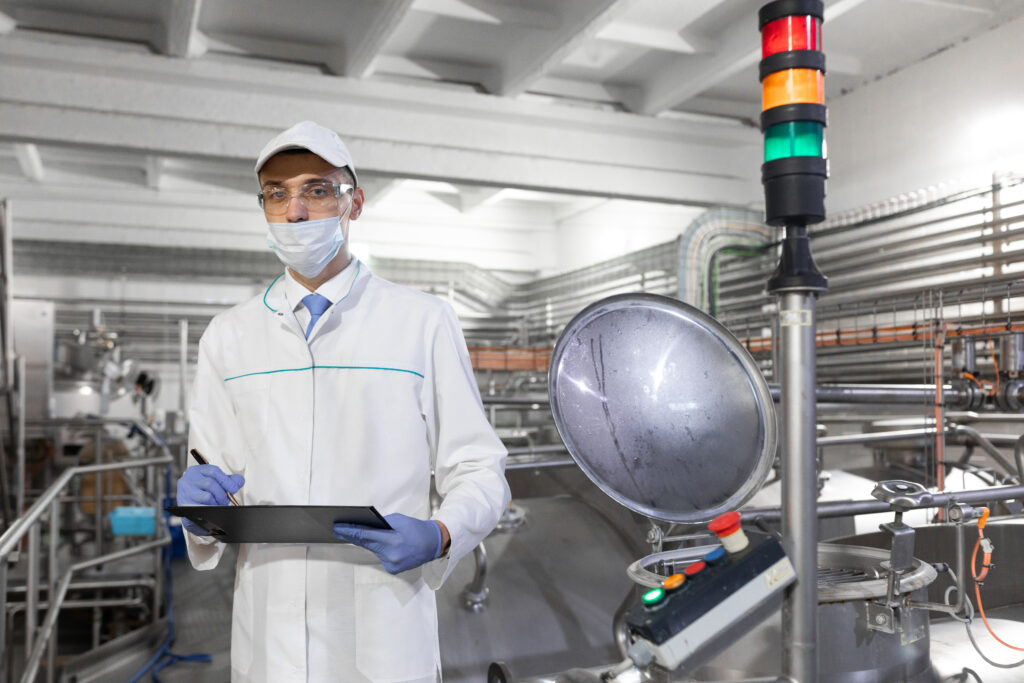
Clear layouts are critical on fast lines Defined walkways separated people and machine zones and dedicated material routes prevent collisions and confusion Managing factory cleanliness and safety in high speed production lines is easier when layouts are simple organized and easy to clean Well planned layouts also speed inspections and maintenance without disrupting output
Preventive Practices Over Reactive Cleanup
Reactive cleanup disrupts flow and introduces risk Preventive practices stop mess before it spreads Containment shields spill guards and controlled discharge reduce the need for constant cleaning Managing factory cleanliness and safety in high speed production lines relies on prevention so production can continue without compromising standards
Protecting Equipment to Support Safe Operation
Dust and spillage shorten equipment life and create unsafe maintenance conditions Cleaner machines run more reliably and require fewer emergency interventions Equipment stability is directly linked to worker safety on high speed lines where unexpected failures can be hazardous
Training Teams for High Speed Conditions
Systems alone are not enough Teams must be trained to operate safely at speed Clear procedures frequent refreshers and accountability ensure standards hold during peak output Managing factory cleanliness and safety in high speed production lines depends on workers recognizing risks and responding correctly even under pressure
Material Handling Design That Matches Throughput
Design determines performance Poorly designed handling creates bottlenecks dust and congestion Well engineered handling supports continuous flow without loss of control Effective design balances throughput with containment enabling factories to maintain cleanliness and safety while meeting aggressive production targets
How Rajath Material Handling Systems Pvt Ltd Supports High Speed Lines
Managing factory cleanliness and safety in high speed production lines requires practical engineering experience Rajath Material Handling Systems Pvt Ltd designs material handling solutions that reduce dust minimize manual handling and maintain stable workflows at high throughput Each solution is tailored to material characteristics layout and speed requirements to deliver reliable performance without slowing production
Long Term Benefits of Clean and Safe High Speed Operations
Factories that maintain cleanliness and safety at speed experience fewer incidents lower maintenance costs improved morale and consistent output Clean environments protect product quality and extend equipment life Safety focused operations reduce downtime and simplify compliance These benefits compound over time strengthening overall performance
Sustaining Standards on Fast Lines
Consistency keeps standards intact Regular inspections preventive maintenance and data driven reviews ensure controls remain effective Managing factory cleanliness and safety in high speed production lines is an ongoing discipline that aligns systems people and processes as demands evolve
Conclusion Keeping Control at Speed
Managing factory cleanliness and safety in high speed production lines depends on controlled material flow effective dust containment reduced manual handling organized layouts and preventive practices With expert support from Rajath Material Handling Systems Pvt Ltd factories can operate at high speed without sacrificing safety cleanliness or reliability Maintaining control enables sustainable performance day after day