November 2025

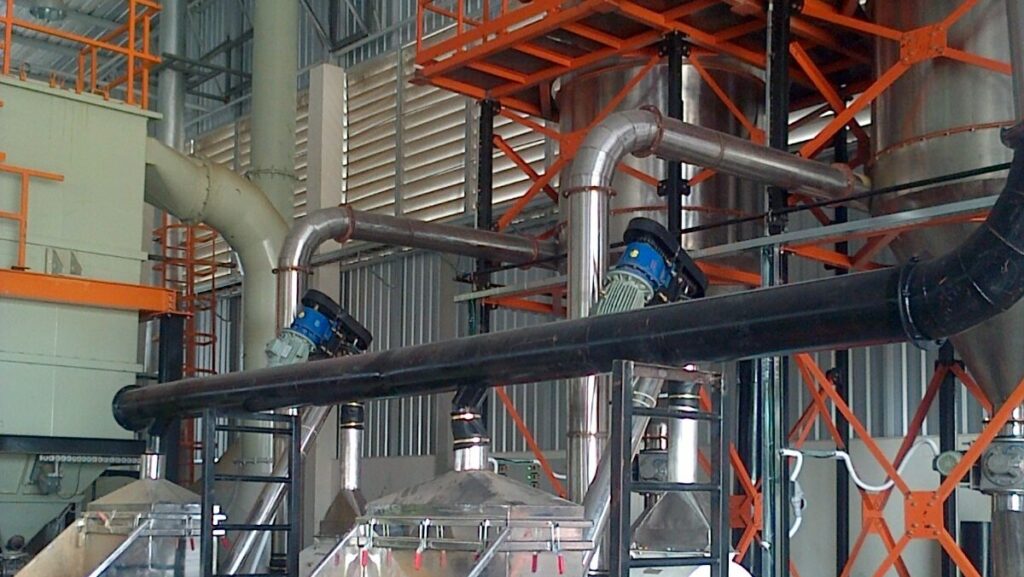
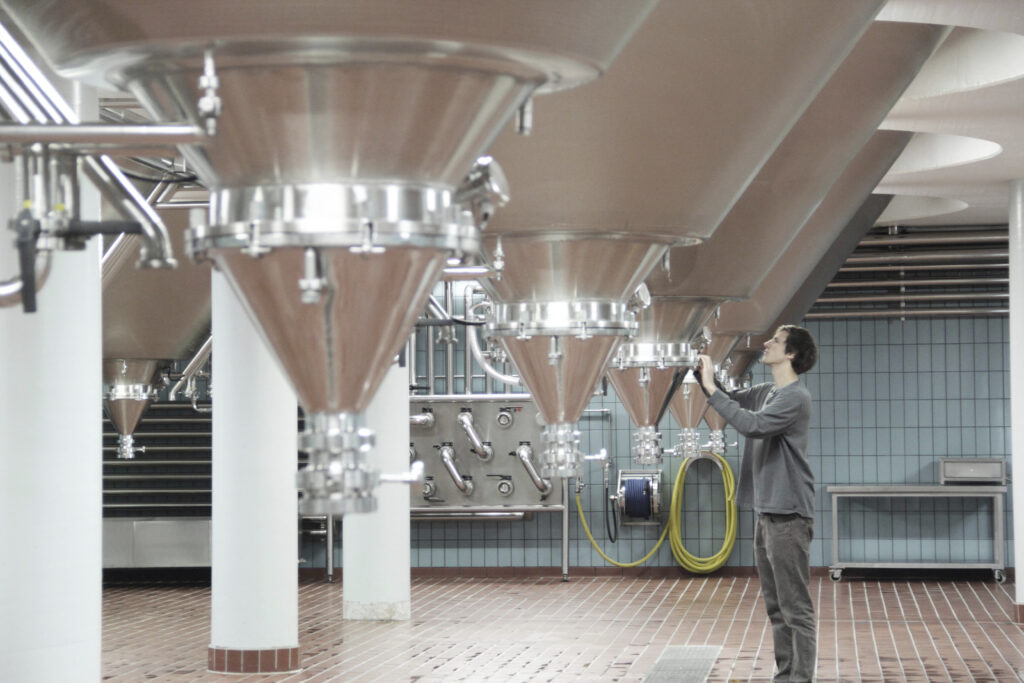
A modern industrial facility featuring pneumatic conveying systems with multiple interconnected pipes and storage units, ideal for efficient powder handling processes.

Improving Productivity with Automated Big Bag Filling Stations

Boosting Industrial Efficiency with Automated Big Bag Filling Stations Handling bulk materials efficiently is essential for every modern manufacturing unit. Industries that work with powders, granules, chemicals, minerals, food ingredients, or plastic pellets rely on fast and accurate packaging to keep their production lines moving smoothly. Automated Big Bag Filling Stations help companies improve productivity by ensuring that large bags are filled with precision, consistency, and minimal manual effort. Rajath Material Handling Systems Pvt Ltd designs advanced Big Bag Filling Stations that combine automation, accuracy, and safety. These systems help industries reduce material loss, cut labor time, and maintain clean and controlled operations. Understanding Automated Big Bag Filling Stations Big Bag Filling Stations are designed to fill jumbo bags or FIBC bags that can hold anywhere from five hundred kilograms to two thousand kilograms. Automation in these systems reduces the need for manual intervention, speeds up the filling process, and improves consistency across every batch. A well engineered station uses intelligent weighing, smooth material flow control, and dust containment to ensure each bag is filled to the exact target weight. How Automation Improves Productivity Consistent and Accurate Filling Automated systems measure the weight continuously and stop filling at the exact target value. Rajath Material’s Big Bag Filling Stations use precise load cell based weighing technology to guarantee uniform results and eliminate human error. Faster Filling Cycles Automation handles multiple bags in less time. Automated valves and vibration decks help material settle faster and reduce the filling duration. Reduced Manual Labor With less operator involvement required, workers can focus on other important tasks. Automation also improves safety by reducing exposure to dust and heavy lifting. Better Material Flow Control Automated systems maintain stable flow rates with the help of modern control technology, making the entire process smoother and more reliable. Key Features That Enhance Efficiency Real Time Weight Monitoring Load cells track the filling weight continuously, ensuring accuracy for every bag. Inflatable Bag Neck Seals These create a secure and dust free connection between the bag and the filling spout, maintaining a clean operation. Vibration Densification Deck This feature helps settle the material evenly inside the bag, maximizing usable volume and improving stability. Automated Cut Off System The system stops flow automatically once the target weight is reached, preventing overflows and underfilling Benefits of Using Automated Big Bag Filling Stations Higher Productivity and Output Automation reduces cycle time and ensures consistent results, allowing factories to handle more batches per shift. Clean and Dust Free Operation Enclosed filling points and dust extraction features help maintain hygiene and reduce product loss. Improved Operator Safety Operators are responsible only for positioning the bag and removing it after filling, reducing exposure to dust and heavy materials. Better Quality Control Accurate weighing ensures uniform product batches and supports quality standards across industries. Applications Across Industries Automated Big Bag Filling Stations are widely used in food processing, pharmaceuticals, plastics, chemicals, minerals, construction materials, and agriculture. Their ability to handle powders and granules with precision makes them ideal for both high volume and high hygiene operations. Why Choose Rajath Material Handling Systems Pvt Ltd With deep expertise in bulk material handling, Rajath Material Handling Systems Pvt Ltd delivers Filling Stations that are reliable, user friendly, and tailored to industry needs. Each system is built with durable components, intelligent controls, and hygienic designs that help companies improve efficiency and reduce operational costs. Smarter Filling for Smarter Production Automated Big Bag Filling Stations give industries a powerful way to boost productivity, reduce manual effort, and maintain clean and accurate operations. When supported by modern automation and robust engineering, they ensure long term performance and consistent results. Rajath Material Handling Systems Pvt Ltd continues to deliver engineered solutions that help industries achieve clean, efficient, and high quality material handling.

Improving Productivity with Automated Big Bag Filling Stations Read More »
How Pneumatic Conveyors Reduce Product Loss in Processing Units

Why Product Loss Happens in Processing Units and How Pneumatic Conveyors Prevent It Product loss is one of the biggest challenges in industries that handle bulk powders and granules. Whether it is food ingredients, pharmaceutical powders, plastic pellets, or chemical materials, even small losses during conveying can add up to major financial impact over time. Efficient handling systems play a key role in reducing waste, controlling dust, and protecting product quality. This is where pneumatic conveyors offer a clear advantage over traditional mechanical systems. Rajath Material Handling Systems Pvt Ltd designs advanced pneumatic conveying solutions that ensure clean, safe, and precise material transfer. By relying on controlled airflow instead of moving belts or screws, pneumatic conveyors help industries maintain accuracy while preventing unnecessary product loss. Understanding How Pneumatic Conveyors Work Pneumatic conveyors use air pressure or vacuum to move materials through an enclosed pipeline. Because everything happens inside sealed tubes, the risk of spillage or contamination is significantly reduced. This makes pneumatic conveying ideal for sensitive materials where quality and hygiene are a priority. The design allows materials to flow smoothly and consistently across long or complex plant layouts. This enclosed method forms the foundation for reducing product loss throughout the system. 1. Eliminates Spillage During Transfer In mechanical conveyors, materials often spill at transfer points, corners, or vibrating components. This leads to visible waste and frequent cleanup. Pneumatic conveyors prevent this because the material moves entirely inside enclosed pipelines. There are no open belts or exposed surfaces that can leak or cause product to fall off during movement. Rajath Material’s systems are engineered to deliver a clean transfer from the feeding point to the destination, ensuring every particle is accounted for. 2. Reduces Dust Escape and Airborne Loss Fine powders can easily escape into the air when transferred using open mechanical systems. This not only leads to product loss but also creates workplace hazards and increased cleaning requirements. With pneumatic conveyors, materials remain contained within closed pipelines. Airflow is carefully controlled using blowers, valves, and filters, keeping dust from escaping into the environment. Rajath Material integrates high efficiency dust control units into their systems to support safe and clean air during production. 3. Prevents Material Degradation Some materials are fragile and can break down when handled through mechanical methods. When powders or granules degrade, they become unusable or require reprocessing, which increases waste. Pneumatic conveyors use smooth interior pipelines with controlled airflow, preventing harsh impacts or excessive friction. This gentle conveying method protects material integrity and reduces the chance of quality loss. Rajath Material’s dense phase conveying options further minimize degradation for delicate products. 4. Reduces Cross Contamination Loss When different products are processed in the same facility, cross contamination can lead to rejected batches and wasted materials. Mechanical conveyors leave residues behind that are difficult to clean. Pneumatic conveyors allow quick cleaning between batches. Their smooth, stainless steel interiors make it easier to flush out residues, reducing the risk of mixing one product with another. For industries like food, chemicals, and pharmaceuticals, this is vital for maintaining purity and avoiding costly product loss. 5. Minimizes Wear and Tear on Equipment When conveyor parts wear out, gaps and misalignments can cause product leakage. Mechanical systems often experience wear on belts, rollers, and chains that contribute to loss over time. Pneumatic conveyors have fewer mechanical components, which means less wear and fewer opportunities for leakage. Rajath Material’s systems use durable materials and airtight designs to keep pipelines sealed and functioning at their best for long periods. 6. Ensures Accurate Feeding and Discharge Precise feeding into mixers, blenders, hoppers, and silos is essential for consistent production. Poor feeding systems cause overflow, backflow, or inconsistent flow rates that lead to waste. Pneumatic conveyors use controlled airflow, valves, and rotary feeders to ensure accurate material delivery. Rajath Material employs smart automation tools and sensors to maintain stable flow and reduce overfeeding or underfeeding errors 7. Supports Hygienic and Clean Operations Clean operations reduce both visible and hidden product loss. Pneumatic conveyors support hygiene by preventing dust accumulation on equipment and surrounding areas. Their enclosed design helps maintain safety standards and reduces the need for frequent manual cleaning. Rajath Material also integrates dust extraction systems and easily cleanable pipeline designs for hygienic operation across all industries. Achieving Better Efficiency with Pneumatic Conveying A well engineered pneumatic conveying system not only reduces product loss but also improves overall productivity and plant efficiency. With accurate transfer, enclosed designs, and smooth material flow, industries benefit from reduced waste, higher yield, and safer working environments. Rajath Material Handling Systems Pvt Ltd continues to lead the way with pneumatic conveying solutions that deliver reliability, precision, and efficiency. Their systems are built to help industries handle materials with maximum control, minimum waste, and consistent quality. Rajath Material Handling Systems Pvt Ltd Engineering Smarter Material Handling Solutions for Modern Industries

How Pneumatic Conveyors Reduce Product Loss in Processing Units Read More »

How to Maintain Your Pneumatic Conveying System for Peak Performance

Keeping Your Pneumatic Conveying System Running at Peak Performance A well-designed pneumatic conveying system can transform the way industries handle bulk materials by making operations cleaner, safer, and more efficient. However, to keep it performing at its best, regular maintenance and system monitoring are essential. Every part of the conveying line, from blowers to pipelines, plays a crucial role in ensuring steady material flow. Over time, even small blockages or air leaks can reduce efficiency, increase energy use, and cause costly downtime. Rajath Material Handling Systems Pvt Ltd provides complete solutions for pneumatic conveying, including expert guidance on proper maintenance practices to extend equipment life and maintain consistent performance. Why Regular Maintenance Matters The performance of a pneumatic conveying system depends on stable air pressure, clean pipelines, and well-tuned equipment. When maintenance is neglected, systems may face reduced conveying capacity, uneven material flow, or even contamination. Preventive maintenance helps identify small issues before they grow into major problems, keeping production smooth and reliable 1. Inspect Pipelines for Leaks and Blockages Pipelines are the core of every pneumatic conveying system. Over time, materials can settle in bends or joints, causing partial blockages. Leaks may also develop at connections, resulting in pressure loss and reduced conveying efficiency. Tip: Schedule regular inspections to detect cracks or loose fittings early. Rajath Material recommends using pressure sensors and flow meters to monitor system integrity and ensure that airflow remains steady throughout the line. 2. Clean Filters and Dust Collectors Frequently Filters and dust collectors prevent fine particles from escaping into the air. When these components become clogged, they restrict airflow and reduce system performance. Tip: Clean or replace filters periodically, depending on material type and usage frequency. Rajath Material’s advanced dust extraction units are designed for easy maintenance and quick filter changes, keeping your system both efficient and compliant with safety standards. 3. Calibrate Sensors and Control Systems Modern pneumatic conveying relies heavily on automated controls that manage pressure, air velocity, and feed rate. If sensors drift from calibration, the system may over- or under-convey materials, leading to inconsistent product quality. Tip: Calibrate weighing sensors, flow meters, and pressure gauges regularly. Rajath Material’s systems use precise electronic controls that can be easily recalibrated to maintain accuracy in every transfer. 4. Lubricate Moving Parts and Blowers While pneumatic conveying has fewer mechanical parts than traditional conveyors, components such as rotary valves, blowers, and airlocks still require proper lubrication. Insufficient lubrication can cause friction, wear, and energy loss. Tip: Use manufacturer-recommended lubricants and follow a fixed lubrication schedule. Rajath Material designs systems with durable, low-maintenance blowers that maintain smooth performance with minimal upkeep. 5. Check Air Supply and Pressure Levels Stable air supply is critical for smooth conveying. Inconsistent air pressure can cause surges or uneven material flow. Tip: Inspect compressors, air receivers, and pressure regulators regularly. Ensure that the air filters are clean and free of moisture. Rajath Material integrates pressure monitoring devices that automatically alert operators if pressure levels fall outside the ideal range. 6. Keep Conveying Lines Dry and Clean Moisture in the conveying line can cause powders to clump, stick, or form blockages. Maintaining dry, clean pipelines ensures consistent flow and prevents contamination. Tip: After cleaning, always ensure the lines are completely dry before restarting. Rajath Material’s systems are built with smooth stainless-steel interiors that resist buildup and make cleaning easier between batches. 7. Record and Review Maintenance Data Tracking system performance and maintenance schedules helps identify patterns in wear, airflow loss, or component replacement needs. Tip: Maintain a logbook or digital record for every service activity. This not only improves accountability but also supports long-term performance tracking. Rajath Material’s systems can be equipped with smart diagnostic tools for real-time monitoring and reporting. Ensuring Long-Term Efficiency through Proper Care A pneumatic conveying system that is regularly maintained will deliver consistent results, lower operating costs, and ensure safe, dust-free operations. Proper care extends the lifespan of critical components and keeps production lines running smoothly with minimal downtime. With over twenty-five years of engineering experience, Rajath Material Handling Systems Pvt Ltd provides both robust conveying solutions and ongoing support to help industries achieve peak performance. From design to installation and after-sales service, Rajath Material ensures that every system continues to perform at its best throughout its lifecycle. Rajath Material Handling Systems Pvt Ltd – Engineering Smarter Material Handling Solutions for Modern Industries.

How to Maintain Your Pneumatic Conveying System for Peak Performance Read More »

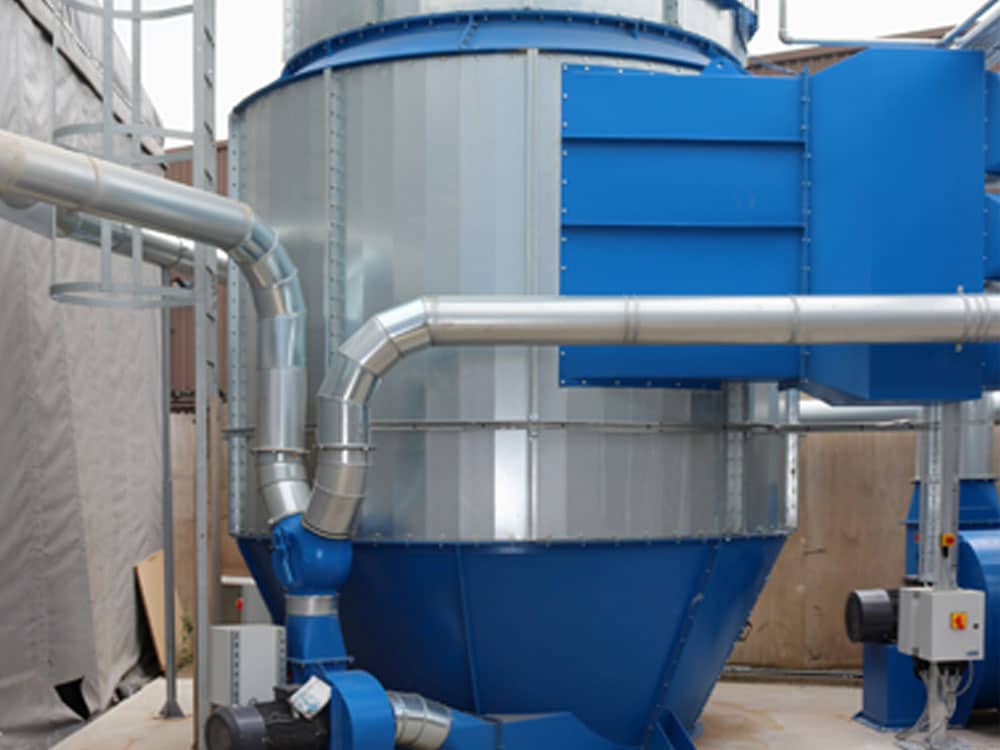
A modern industrial facility featuring pneumatic conveying systems with multiple interconnected pipes and storage units, ideal for efficient powder handling processes.

The Science of Airflow: Inside a Pneumatic Conveying Line

Understanding the Science of Airflow in a Pneumatic Conveying Line Modern industries depend heavily on precise and efficient material handling systems to transport powders and granules safely. Among these technologies, the pneumatic conveying line plays a crucial role in ensuring that materials move smoothly and cleanly across different stages of production. Whether it is in food processing, pharmaceuticals, plastics, or chemicals, understanding how airflow works inside a pneumatic conveying line helps engineers achieve better performance, efficiency, and product quality. Rajath Material Handling Systems Pvt Ltd has been engineering innovative pneumatic conveying systems that balance air pressure, velocity, and flow dynamics for maximum material transfer efficiency. Each system is designed with deep attention to airflow science to reduce losses, minimize dust, and enhance plant productivity. What Is a Pneumatic Conveying Line A pneumatic conveying line is a network of pipelines that transport dry bulk materials using air as the carrier medium. Unlike mechanical conveyors that use belts or screws, this method relies on controlled air movement to carry powders or granules through enclosed tubes. The key advantage is that it allows for dust-free, contamination-free, and low-maintenance material transfer over long distances or through complex plant layouts. The airflow in a pneumatic conveying line determines how efficiently materials travel. The speed, pressure, and direction of the air must be carefully balanced to avoid blockages, excessive wear, or material degradation. The Role of Airflow in Material Transport The airflow acts as the driving force inside the conveying line. When air is blown or pulled through the system by a compressor or vacuum pump, it creates a pressure difference that moves the material from one point to another.The airflow must be strong enough to keep particles suspended but gentle enough to prevent damage to delicate materials. In Rajath Material’s Pneumatic Conveying Systems, engineers calculate precise airflow parameters such as pressure drop, velocity, and air volume to ensure smooth transfer and uniform product quality. Types of Pneumatic Conveying Based on Airflow 1. Dilute Phase Conveying This type uses high-velocity airflow to suspend and transport particles through the line. It is ideal for materials that are light and non-abrasive, such as flour, starch, or plastic pellets.The advantage of dilute phase conveying is that it allows continuous flow and can cover long distances with flexible routing. 2. Dense Phase Conveying Dense phase conveying uses low-velocity and high-pressure airflow to push materials in a slower, denser form. It is best suited for fragile or abrasive materials like cement, sugar, or fine chemicals.Because the materials move in slugs or plugs, there is less wear on the pipeline and minimal product degradation. Rajath Material Handling Systems Pvt Ltd designs both dilute and dense phase systems based on the specific nature of the product and plant requirements. Airflow Balance and System Efficiency The key to an efficient pneumatic conveying line is achieving the right airflow balance. Too much air velocity can cause pipeline abrasion and energy waste, while too little can result in blockages and uneven flow.By using air control valves, flow meters, and pressure sensors, Rajath Material’s systems maintain optimal airflow for every product type. This not only ensures efficient conveying but also reduces energy consumption and operating costs. Design Factors That Affect Airflow The design of a pneumatic conveying line directly impacts how air behaves inside it.Some of the main factors include: Rajath Material engineers analyze these parameters carefully during design to build systems that achieve both accuracy and longevity. Maintaining a Clean and Safe Conveying Line In industries like food and pharmaceuticals, maintaining hygiene and preventing contamination are top priorities.The enclosed design of pneumatic conveying lines eliminates material spillage and protects the product from external contaminants. Rajath Material also integrates dust extraction units and smooth pipeline interiors to prevent buildup and ensure easy cleaning. This helps companies meet strict quality and safety regulations effortlessly. Why Airflow Science Matters The science behind airflow is not just about moving materials; it is about controlling energy, pressure, and direction to achieve a consistent and efficient process. Understanding how air behaves inside the pipeline allows industries to fine-tune operations, reduce downtime, and maintain quality. With decades of experience, Rajath Material Handling Systems Pvt Ltd combines practical engineering with airflow expertise to deliver systems that are energy-efficient, reliable, and built for modern industry demands. Smarter Conveying Begins with Smarter Airflow Every successful pneumatic conveying system starts with mastering the science of airflow. By understanding and controlling the relationship between pressure, airspeed, and material characteristics, manufacturers can achieve unmatched accuracy and productivity. Rajath Material Handling Systems Pvt Ltd continues to lead the way in designing intelligent conveying systems that make material handling cleaner, safer, and more efficient for every industry. Rajath Material Handling Systems Pvt Ltd – Engineering Smarter Material Handling Solutions for Modern Industries.

The Science of Airflow: Inside a Pneumatic Conveying Line Read More »

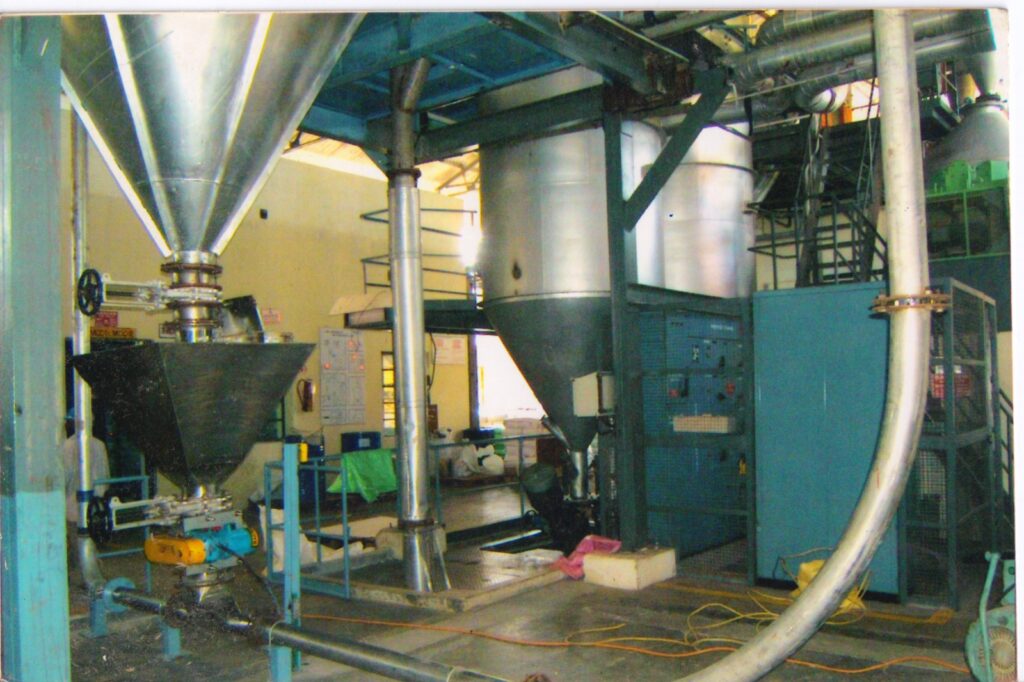
Dust extraction unit integrated with Big Bag Filling Systems for clean and precise powder handling

How to Achieve Precise Weight Control in Big Bag Filling Systems

Achieving Accuracy and Efficiency in Big Bag Filling Systems In modern industries, handling bulk materials efficiently is just as important as producing them. From powders and granules to fine chemicals, accurate weighing during filling plays a vital role in ensuring product consistency and reducing material loss. One of the best ways to achieve this is through well-engineered Big Bag Filling Systems, which combine precision, automation, and safety to streamline bulk material packaging. Rajath Material Handling Systems Pvt Ltd specializes in designing and manufacturing advanced Big Bag Filling Systems that help industries achieve consistent weight accuracy and dust-free operations. These systems are built to improve productivity while maintaining the highest standards of hygiene and performance. Understanding Big Bag Filling Systems Big Bag Filling Systems, also known as FIBC or jumbo bag filling stations, are used to fill large flexible bags with powders, granules, or bulk solids. These bags typically hold between 500 kilograms and 2000 kilograms of material. The key challenge in this process is achieving precise weight control without compromising on speed or safety. Rajath Material’s systems are designed with intelligent weighing technology and automated controls that ensure each bag is filled to the exact target weight. This accuracy not only improves product quality but also reduces wastage and rework costs. 1. Importance of Precise Weight Control Precise weight control is essential in industries where materials are sold or used based on weight, such as chemicals, food, and pharmaceuticals. Even small deviations can result in product loss, customer dissatisfaction, or compliance issues. By using Big Bag Filling Systems with integrated weighing modules, companies can achieve repeatable accuracy for every fill cycle. This ensures product uniformity, reduces overfilling, and optimizes overall material usage. 2. How Modern Weighing Technology Works Modern Big Bag Filling Systems use load cells and electronic weighing modules to continuously monitor the bag’s weight during filling. As material flows into the bag, the system automatically adjusts the flow rate and stops at the exact target weight. Rajath Material’s systems use programmable logic controllers (PLC) and high-precision sensors to maintain stable and accurate readings even under continuous operation. These intelligent controls help eliminate manual errors and maintain consistency in every batch. 3. Benefits of Accurate Weighing in Big Bag Filling Systems Improved Product Quality Accurate weighing ensures that every bag contains the same quantity of material, maintaining batch uniformity and quality standards. Reduced Material Waste Overfilled bags increase costs, while underfilled bags affect productivity and customer trust. Precision control reduces both types of waste. Consistent Production Flow Automation in weighing and filling reduces the need for manual adjustments, resulting in faster cycle times and consistent throughput. Easier Quality Audits Automated weighing records allow easy tracking of batch data, making quality audits and regulatory compliance smoother. 4. Features That Enhance Accuracy Rajath Material Handling Systems designs Big Bag Filling Systems with several advanced features to maintain accuracy: These features combine to create a system that is not only accurate but also easy to operate, maintain, and integrate with existing production lines. 5. Maintaining Accuracy Over Time Even the best systems require proper calibration and maintenance to sustain their accuracy. Regular inspection of load cells, flow valves, and sensors ensures that the system continues to deliver precise results. Rajath Material’s systems are designed with accessibility in mind. Their modular components allow quick maintenance, calibration, and cleaning, minimizing downtime and keeping performance consistent. 6. Safety and Hygiene in Big Bag Filling In industries such as food and pharmaceuticals, safety and hygiene are just as important as accuracy. Rajath Material’s filling stations are designed with stainless steel components, sealed transfer points, and dust extraction units that prevent contamination and spillage. This ensures that materials remain pure and work environments stay clean and safe. Smarter Weighing for Smarter Operations With over twenty five years of industrial experience, Rajath Material Handling Systems Pvt Ltd continues to set benchmarks in precision, efficiency, and safety. Their Big Bag Filling Systems are engineered for industries that demand the highest levels of performance and reliability. By combining intelligent weighing technology, user-friendly operation, and hygienic design, Rajath Material helps companies handle bulk materials more efficiently while reducing costs and maintaining product integrity. For businesses aiming to achieve accuracy and consistency in bulk packaging, investing in a well-engineered Big Bag Filling System is the smartest move forward. Rajath Material Handling Systems Pvt Ltd – Engineering Smarter Material Handling Solutions for Modern Industries.

How to Achieve Precise Weight Control in Big Bag Filling Systems Read More »

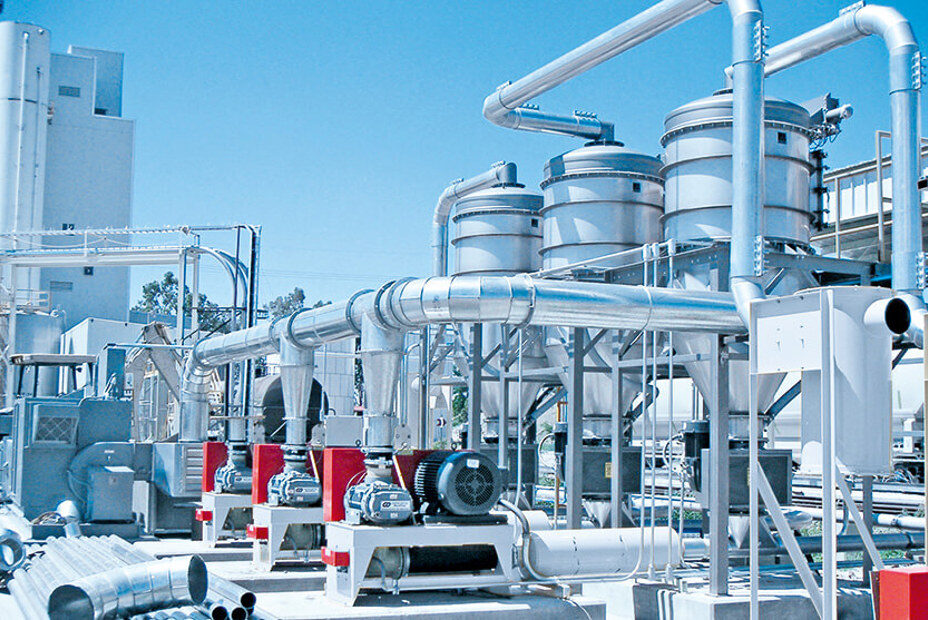
Industrial pneumatic conveying system used for efficient powder handling in pharmaceutical production

Advantages of Pneumatic Conveying in Pharmaceutical Production

Enhancing Pharmaceutical Production with Pneumatic Conveying Technology Pharmaceutical manufacturing demands the highest levels of precision, hygiene, and efficiency. Every process, from material transfer to packaging, must meet strict quality and safety standards. Handling powders and granules in such a sensitive environment can be challenging, especially when dealing with fine materials that tend to cause dust or contamination. That is where pneumatic conveying systems play a vital role in transforming the way pharmaceutical materials are handled. At Rajath Material Handling Systems Pvt Ltd, we engineer reliable and hygienic pneumatic conveying systems that ensure dust-free, efficient, and contamination-free transfer of powders and granules. These systems help pharmaceutical plants maintain strict regulatory standards while improving productivity and material flow consistency. What Is Pneumatic Conveying? Pneumatic conveying is a method of transferring bulk materials such as powders or granules through an enclosed pipeline using air pressure or vacuum. It eliminates the need for mechanical belts or screws, allowing clean and efficient movement of materials from one point to another within the plant. Pharmaceutical industries use pneumatic conveying to move active ingredients, excipients, and finished powders between processes such as mixing, drying, blending, and packaging. Since the system is fully enclosed, it ensures that no material escapes into the environment, reducing both contamination and product loss. 1. Ensures Dust-Free and Hygienic Transfer Maintaining a clean environment is crucial in pharmaceutical production. Traditional conveying systems often expose powders to air, leading to dust emissions and contamination risks. Pneumatic conveying eliminates this issue by keeping materials enclosed during transport. Rajath Material Handling Systems Pvt Ltd designs sealed pneumatic systems that ensure every transfer is clean and dust-free. The result is a safer workplace, reduced cleaning requirements, and higher product purity. This hygienic design makes pneumatic conveying ideal for handling sensitive pharmaceutical ingredients. 2. Prevents Cross-Contamination Cross-contamination between products can lead to serious quality issues and regulatory non-compliance in pharmaceutical manufacturing. Using mechanical conveyors or open transfer methods increases this risk, especially when multiple products are processed in the same facility. With pneumatic conveying, materials travel through closed pipelines that can be easily cleaned between batches. Rajath Material’s systems are designed with smooth interiors and quick-clean connections to prevent residue buildup, ensuring total product integrity across production runs. 3. Enhances Accuracy and Process Control Precise material transfer is essential in pharmaceutical operations, where every gram counts. Variations in feed rate or inconsistent flow can affect the quality and uniformity of the final product. Pneumatic conveying allows accurate control of flow rates, air pressure, and velocity, ensuring uniform transfer every time. Rajath Material’s engineered systems integrate weighing and feeding controls that deliver consistent, repeatable performance. This helps manufacturers maintain high accuracy and minimize waste during production. 4. Improves Safety and Operator Health Powdered pharmaceutical ingredients can sometimes be hazardous when inhaled or exposed to open air. Manual handling or open transfers may put operators at risk of respiratory or skin-related issues. Pneumatic conveying protects operators by reducing direct contact with the material. Rajath Material’s enclosed conveying systems not only prevent dust exposure but also reduce spillage and handling risks. This contributes to a safer and more compliant working environment that supports operator health and regulatory standards. 5. Reduces Maintenance and Downtime Unlike mechanical conveyors, which rely on belts, screws, and rollers, pneumatic conveying systems have fewer moving parts. This makes them easier to maintain and less prone to mechanical wear or breakdown. Rajath Material designs robust systems using high-quality materials that resist abrasion and corrosion. The result is minimal downtime, reduced maintenance costs, and long-term reliability—an essential advantage for pharmaceutical companies aiming for continuous production efficiency. 6. Supports Flexible Plant Layouts Space utilization is often a major concern in pharmaceutical facilities. Traditional conveyors require a direct path between source and destination, making it difficult to fit them into complex plant layouts. Pneumatic conveying systems are far more flexible. They can transport materials horizontally or vertically through bends and multiple routes, easily integrating with existing machinery. Rajath Material’s customized solutions allow manufacturers to design compact and efficient layouts without compromising on performance. 7. Complies with Regulatory Standards The pharmaceutical industry operates under strict regulatory frameworks such as GMP and FDA guidelines. Pneumatic conveying systems support compliance by ensuring cleanable, closed, and validated material transfer processes. Rajath Material’s conveying systems are engineered to meet these standards, featuring sanitary-grade materials, smooth internal surfaces, and easy access for inspection. This helps clients maintain consistent quality control and meet international compliance requirements. The Rajath Material Advantage With over two decades of industrial experience, Rajath Material Handling Systems Pvt Ltd specializes in designing and manufacturing advanced pneumatic conveying systems that combine precision, safety, and hygiene. Our end-to-end solutions are trusted by pharmaceutical, chemical, and food industries for their performance and reliability. From powder transfer to dust extraction, every system we deliver is built to improve plant efficiency, reduce downtime, and maintain the highest product quality. For pharmaceutical manufacturers looking to modernize their material handling, pneumatic conveying offers a cleaner, safer, and more efficient future Rajath Material Handling Systems Pvt Ltd – Engineering Smarter Material Handling Solutions for Tomorrow’s Industries.

Advantages of Pneumatic Conveying in Pharmaceutical Production Read More »

Engineers inspecting pneumatic conveying system in a modern powder handling plant

Top Challenges in Powder Handling and How to Solve Them

Mastering the Art of Efficient Powder Handling in Modern Industries In every manufacturing industry, handling powder materials is one of the most crucial yet complex operations. Whether it’s food ingredients, pharmaceutical compounds, chemical powders, or plastic granules, efficient powder handling is key to productivity, product quality, and workplace safety. However, these materials often behave unpredictably during storage, conveying, or packaging. That’s why industries rely on advanced solutions like those from Rajath Material Handling Systems Pvt Ltd to overcome powder handling challenges with precision and efficiency. Understanding Powder Handling Powder handling refers to the movement, processing, and storage of dry bulk materials such as flour, cement, or fine chemicals. Since powders have different flow characteristics depending on size, moisture, and density, handling them requires specialized systems designed to prevent blockages, contamination, and dust emissions. Modern material handling solutions combine engineering precision with automation to ensure smooth, safe, and dust-free powder transfer across different stages of production. 1. Inconsistent Material Flow One of the most common challenges in powder handling is irregular or inconsistent flow. Powders can clump together, bridge, or form rat holes inside silos or hoppers, disrupting the entire production process. Factors such as humidity, particle size, or equipment design can worsen the issue. Solution:To ensure continuous flow, industries use equipment like vibratory feeders, air fluidizing pads, and pneumatic conveying systems. Rajath Material Handling Systems Pvt Ltd designs customized conveying systems that maintain consistent airflow and prevent material buildup, ensuring smooth and uninterrupted operations. 2. Dust Generation and Air Contamination Powder materials, especially fine or lightweight ones, can easily become airborne during transfer or filling. This not only leads to product loss but also poses serious health and safety risks to workers and equipment. Solution:Implementing dust extraction systems is essential. Rajath Material’s advanced dust control units capture airborne particles at every discharge point, keeping the workspace clean and compliant with safety standards. Their enclosed conveying systems also reduce contamination risks while ensuring hygienic handling—particularly important in food and pharmaceutical sectors. 3. Material Segregation During transfer or storage, particles of different sizes or densities can separate, resulting in inconsistent product quality. This is a common problem in industries where uniform composition is critical, such as pharmaceuticals or food manufacturing. Solution:Using controlled flow systems and gentle conveying methods helps maintain material uniformity. Rajath Material’s pneumatic conveying systems ensure that powders are transported evenly with precise air pressure and velocity control, minimizing segregation and preserving product consistency. 4. Product Contamination Cross-contamination is another major issue in powder handling, especially when handling multiple materials in the same production line. Even small residues can affect the purity of the next batch. Solution:The answer lies in using enclosed, dust-free, and easily cleanable conveying systems. Rajath Material’s hygienic system designs include stainless-steel pipelines and quick-clean components that prevent cross-contamination and maintain industry hygiene standards. 5. Equipment Wear and Maintenance Abrasive powders can gradually wear down mechanical components, increasing maintenance costs and downtime. Poorly maintained equipment can also lead to leaks or system inefficiencies. Solution:Selecting the right material of construction is vital. Rajath Material provides custom-engineered conveying systems built with durable materials and fewer moving parts, reducing wear and tear. Their pneumatic designs also minimize mechanical contact with the powder, resulting in lower maintenance and longer service life. 6. Handling Bulk Bags Safely Many industries use jumbo or FIBC bags to store and transport powders. However, improper filling or unloading can lead to spillage, dust emissions, or accidents. Solution:Rajath Material’s Big Bag Filling and Unloading Systems offer a safe and accurate way to handle bulk materials. These systems come with weighing controls, vibration features, and sealed transfer points, ensuring precise filling, minimal dust, and easy operation. 7. Meeting Regulatory and Safety Standards Industries dealing with fine powders must comply with strict environmental, hygiene, and safety regulations. Failure to meet these standards can lead to penalties or shutdowns. Solution:Rajath Material designs systems that meet global regulatory norms for dust control, hygiene, and process safety. From enclosed pneumatic conveyors to high-efficiency dust extractors, their solutions are built to help industries stay compliant and efficient. Building Smarter Powder Handling Systems Effective powder handling requires more than just the right equipment, it demands intelligent design, automation, and customization. With over two decades of experience, Rajath Material Handling Systems Pvt Ltd provides end-to-end solutions for dust-free, efficient, and reliable powder transfer. Their systems are engineered to reduce material loss, enhance productivity, and ensure operator safety across multiple industries. Whether you’re handling food-grade ingredients, chemical powders, or pharmaceutical formulations, Rajath Material’s expertise ensures smooth operations and consistent product quality every time.

Top Challenges in Powder Handling and How to Solve Them Read More »

Scroll to Top