
Mastering the Art of Efficient Powder Handling in Modern Industries
In every manufacturing industry, handling powder materials is one of the most crucial yet complex operations. Whether it’s food ingredients, pharmaceutical compounds, chemical powders, or plastic granules, efficient powder handling is key to productivity, product quality, and workplace safety. However, these materials often behave unpredictably during storage, conveying, or packaging. That’s why industries rely on advanced solutions like those from Rajath Material Handling Systems Pvt Ltd to overcome powder handling challenges with precision and efficiency.
Understanding Powder Handling
Powder handling refers to the movement, processing, and storage of dry bulk materials such as flour, cement, or fine chemicals. Since powders have different flow characteristics depending on size, moisture, and density, handling them requires specialized systems designed to prevent blockages, contamination, and dust emissions.
Modern material handling solutions combine engineering precision with automation to ensure smooth, safe, and dust-free powder transfer across different stages of production.
1. Inconsistent Material Flow
One of the most common challenges in powder handling is irregular or inconsistent flow. Powders can clump together, bridge, or form rat holes inside silos or hoppers, disrupting the entire production process. Factors such as humidity, particle size, or equipment design can worsen the issue.
Solution:
To ensure continuous flow, industries use equipment like vibratory feeders, air fluidizing pads, and pneumatic conveying systems. Rajath Material Handling Systems Pvt Ltd designs customized conveying systems that maintain consistent airflow and prevent material buildup, ensuring smooth and uninterrupted operations.
2. Dust Generation and Air Contamination
Powder materials, especially fine or lightweight ones, can easily become airborne during transfer or filling. This not only leads to product loss but also poses serious health and safety risks to workers and equipment.
Solution:
Implementing dust extraction systems is essential. Rajath Material’s advanced dust control units capture airborne particles at every discharge point, keeping the workspace clean and compliant with safety standards. Their enclosed conveying systems also reduce contamination risks while ensuring hygienic handling—particularly important in food and pharmaceutical sectors.
3. Material Segregation
During transfer or storage, particles of different sizes or densities can separate, resulting in inconsistent product quality. This is a common problem in industries where uniform composition is critical, such as pharmaceuticals or food manufacturing.
Solution:
Using controlled flow systems and gentle conveying methods helps maintain material uniformity. Rajath Material’s pneumatic conveying systems ensure that powders are transported evenly with precise air pressure and velocity control, minimizing segregation and preserving product consistency.
4. Product Contamination
Cross-contamination is another major issue in powder handling, especially when handling multiple materials in the same production line. Even small residues can affect the purity of the next batch.
Solution:
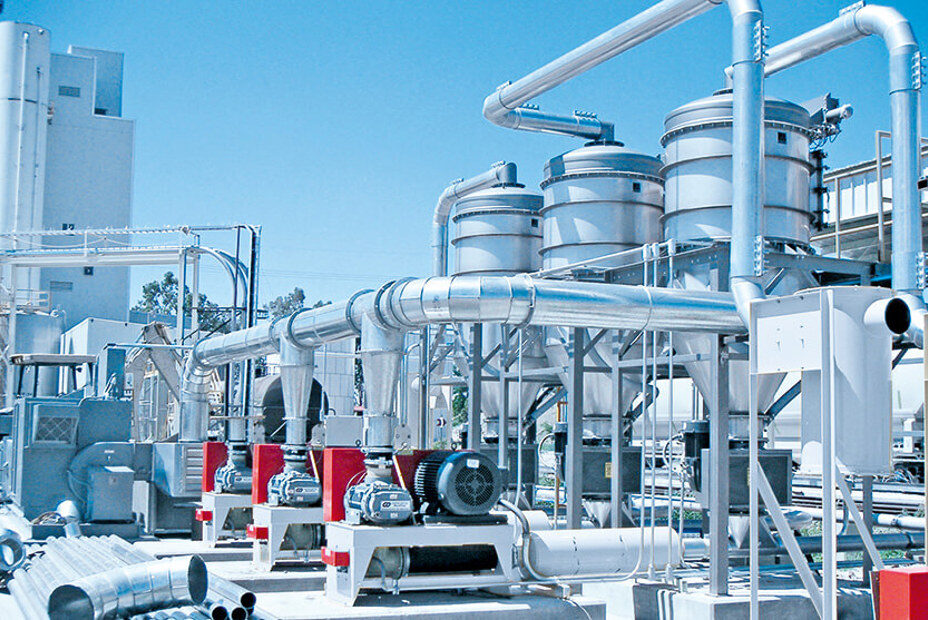
The answer lies in using enclosed, dust-free, and easily cleanable conveying systems. Rajath Material’s hygienic system designs include stainless-steel pipelines and quick-clean components that prevent cross-contamination and maintain industry hygiene standards.
5. Equipment Wear and Maintenance
Abrasive powders can gradually wear down mechanical components, increasing maintenance costs and downtime. Poorly maintained equipment can also lead to leaks or system inefficiencies.
Solution:
Selecting the right material of construction is vital. Rajath Material provides custom-engineered conveying systems built with durable materials and fewer moving parts, reducing wear and tear. Their pneumatic designs also minimize mechanical contact with the powder, resulting in lower maintenance and longer service life.
6. Handling Bulk Bags Safely
Many industries use jumbo or FIBC bags to store and transport powders. However, improper filling or unloading can lead to spillage, dust emissions, or accidents.
Solution:
Rajath Material’s Big Bag Filling and Unloading Systems offer a safe and accurate way to handle bulk materials. These systems come with weighing controls, vibration features, and sealed transfer points, ensuring precise filling, minimal dust, and easy operation.
7. Meeting Regulatory and Safety Standards
Industries dealing with fine powders must comply with strict environmental, hygiene, and safety regulations. Failure to meet these standards can lead to penalties or shutdowns.
Solution:
Rajath Material designs systems that meet global regulatory norms for dust control, hygiene, and process safety. From enclosed pneumatic conveyors to high-efficiency dust extractors, their solutions are built to help industries stay compliant and efficient.
Building Smarter Powder Handling Systems
Effective powder handling requires more than just the right equipment, it demands intelligent design, automation, and customization. With over two decades of experience, Rajath Material Handling Systems Pvt Ltd provides end-to-end solutions for dust-free, efficient, and reliable powder transfer. Their systems are engineered to reduce material loss, enhance productivity, and ensure operator safety across multiple industries.
Whether you’re handling food-grade ingredients, chemical powders, or pharmaceutical formulations, Rajath Material’s expertise ensures smooth operations and consistent product quality every time.