
For industries that require daily handling of bulk materials such as powdery and granular materials, it is important to have efficient and accurate methods of packaging. It does not matter whether it is foodstuffs, pharmaceuticals, chemicals, or plastic materials; if they are in powder or granular form, incorrect methods of filling will only cause loss of materials, unnecessary dusting, and overall low output for the industry.
To solve this problem, industries have started using big bag filling systems, which is a smart and efficient way of filling large quantities of bulk materials in precise and efficient ways.
In this article, let’s learn more about how big bag filling systems work and how they are beneficial for industries that handle large quantities of powder and granular materials in their daily operations.
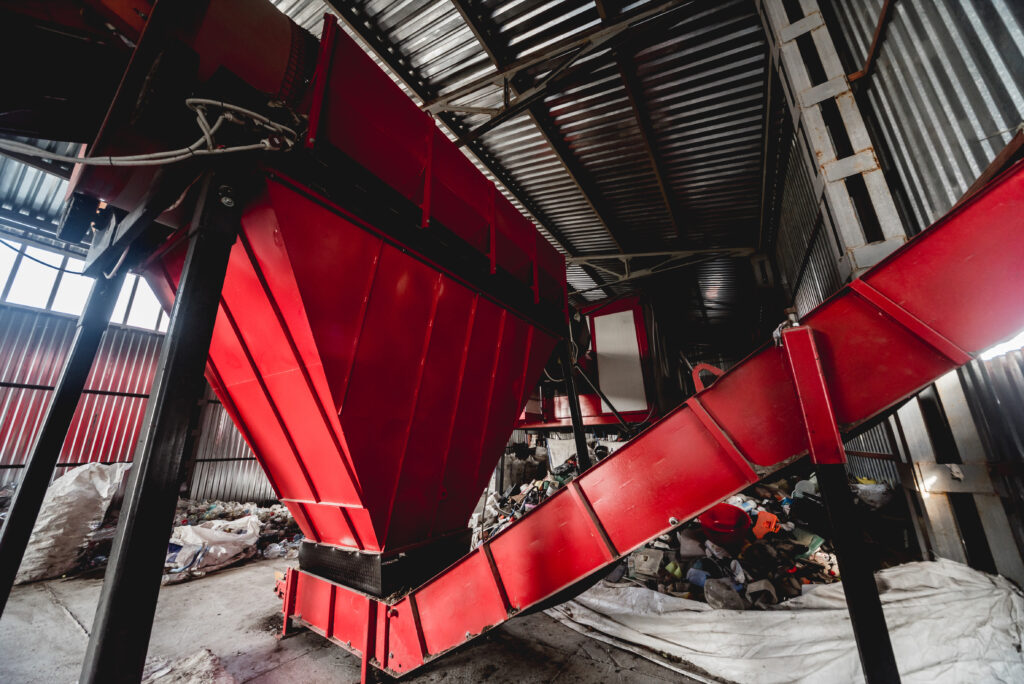
What Are Big Bag Filling Systems?
Big bag filling systems, also known as FIBC (Flexible Intermediate Bulk Container) filling systems, are machines used in industries for filling large bags of 500 kg up to 2000 kg of bulk materials. Unlike using manual methods of filling, this system is automated and provides accurate weight control and low dusting.
Why Efficient Filling is Important for Powders and Granules
Handling powders and granules presents certain difficulties. Powders are prone to being blown away by the wind. In the case of granules, the filling process must be carefully controlled to prevent spillage.
Therefore, the use of advanced technology becomes essential. It not only ensures accuracy but also helps maintain the quality of the products. In addition, the products are filled securely for storage and transport.
How Big Bag Filling Systems Work?
The process of how the big bag filling system works is designed to ensure the smooth handling of the material.
To start off, the empty bag is placed under the filling system. It is then securely attached to the filling spout. The system then proceeds to pour the material from the hopper, silo, or conveying system into the bag.
While the material is being poured into the bag, the weighing system is monitoring the quantity of the material. Once the desired weight is reached, the system stops the flow of the material. In addition, the system may be designed to vibrate the bag to ensure the material is well distributed inside the bag. The bag is then sealed and sent for storage.
Key Benefits of Big Bag Filling Systems
Accurate and Consistent Filling
One of the main advantages of big bag filling systems is that weight control is possible. This is because modern big bag filling systems utilize advanced weighing technology.
Therefore, it is possible to fill the bags accurately.
Dust-Free Operation
Another advantage of big bag filling systems is that they are dust-free. This is because modern big bag filling systems come equipped with dust control devices such as a sealed spout.
Therefore, it is possible to reduce the amount of dust in the workplace.
Improved Operational Efficiency
Another advantage of bag filling systems is that they are efficient. This is because modern big bag filling systems are automated.
Therefore, it is possible to increase production levels without increasing labor costs.
Improved Worker Safety
Another advantage of filling systems is that they are safe. This is because modern big bag filling systems are automated.
Therefore, it is possible to increase worker safety.
Versatility for Different Materials
The filling systems can fill different types of materials such as fine powders, granules, pellets, and flakes.
This versatility enables different industries to use the system for different purposes without any modifications.
Easy Integration with Other Systems
The system can be integrated with other systems such as pneumatic conveying systems, screw conveying systems, and silos.
This enables different manufacturers to use the system in developing an efficient system for the handling of different materials.
Applications Across Industries
The big bag filling systems are applied in different industries due to their efficiency in filling different types of materials in the industry.
- Food Industry: Filling flour, sugar, spices, and starch
- Pharmaceutical Industry: Filling fine powders and active pharmaceutical ingredients
- Chemical Industry: Filling fertilizers, chemical additives, and powdered chemical substances
- Plastic Industry: Filling plastic granules and plastic resins
The systems can be applied in different industries because of their ability to fill different types of materials in the industry while maintaining hygiene standards.
Conclusion
Efficient handling of powders and granules is essential for maintaining productivity and quality in industrial operations. Filling systems provide a reliable solution by offering accurate filling, dust control, and improved efficiency.
Moreover, their ability to integrate with other material handling systems makes them a valuable investment for modern manufacturing plants.
As industries continue to move toward automation and cleaner operations, filling systems will play a key role in optimizing bulk material packaging and ensuring safe, efficient handling of powders and granules.