
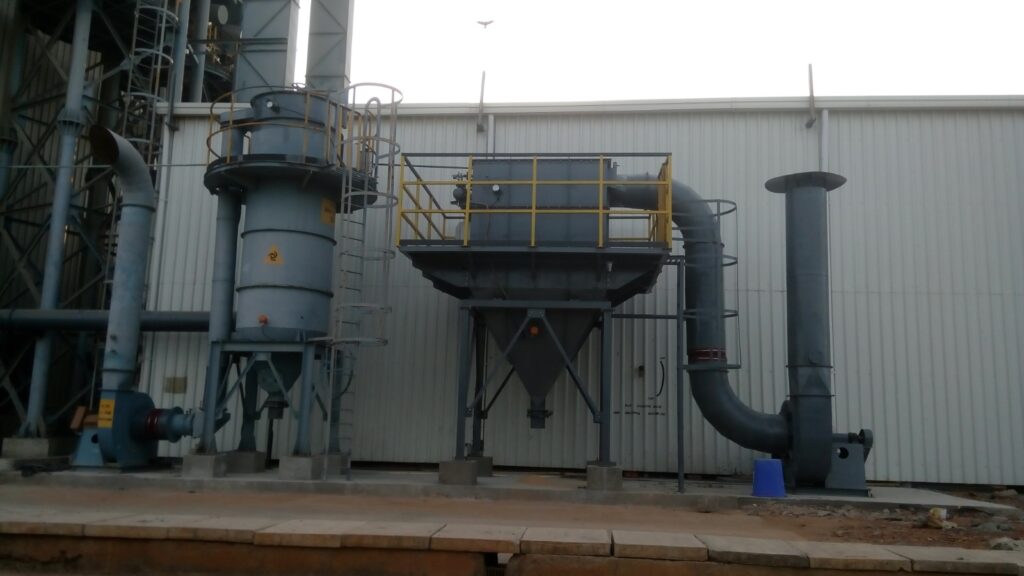
In food and pharmaceutical manufacturing, cleanliness is not just important — it is mandatory. Even a small amount of airborne dust or powder contamination can compromise product quality, damage equipment, and create serious health risks for workers. From flour and spices in food processing plants to fine active pharmaceutical ingredients (APIs) in pharma facilities, airborne particles are a constant challenge. This is where dust extraction systems play a vital role.
Dust extraction systems are designed to capture, filter, and remove airborne particles at the source, ensuring safe, hygienic, and compliant operations. In industries where precision and purity matter most, these systems are not optional — they are essential.
Why Dust Control is Critical in Food and Pharma Industries
Both food and pharmaceutical sectors operate under strict hygiene and safety regulations. Any contamination can lead to product recalls, regulatory penalties, or damage to brand reputation.
1. Preventing Cross-Contamination
In pharmaceutical manufacturing, cross-contamination between batches can alter drug composition and effectiveness. In food processing, contamination can affect taste, quality, and safety. Dust extraction systems help contain airborne particles and prevent them from spreading across processing areas.
2. Maintaining Product Purity
Fine powders such as flour, milk powder, starch, or pharmaceutical excipients can easily become airborne. Without proper dust control, these particles may settle in unwanted areas. Efficient dust extraction ensures product integrity from start to finish.
3. Protecting Worker Health
Prolonged exposure to fine dust can cause respiratory issues and other health problems. Pharmaceutical dust may also contain potent compounds requiring strict containment. Dust extraction systems create a safer working environment by reducing airborne particle concentration.
4. Meeting Regulatory Compliance
Regulatory bodies such as FSSAI, GMP guidelines, and international food safety standards require clean production environments. Proper dust control systems help facilities meet environmental and occupational safety regulations.
How Dust Extraction Systems Work
Dust extraction systems are designed to capture dust at the point where it is generated — such as during mixing, conveying, filling, or packaging.
The process typically involves:
- Dust Capture: Hoods or extraction arms capture dust at the source.
- Airflow Movement: Fans or blowers create suction to pull contaminated air into the system.
- Filtration: High-efficiency filters separate dust particles from the air.
- Clean Air Release: Filtered air is either safely released back into the facility or discharged outside.
In many facilities, dust extraction systems are integrated with pneumatic conveying systems and big bag filling systems to ensure completely enclosed and dust-free bulk material handling.
Key Features Required for Food & Pharma Applications
Dust extraction systems used in these industries must meet higher standards compared to general manufacturing environments.
Hygienic Design
Systems should be easy to clean and made from food-grade or pharmaceutical-grade materials, often stainless steel, to prevent contamination.
High-Efficiency Filtration
HEPA filters or advanced filtration systems are often required to capture very fine particles.
Explosion Protection
Certain food powders (like flour or sugar) and chemical compounds are combustible. Dust extraction systems must include safety features to prevent explosion risks.
Compact and Integrated Design
Space is valuable in processing plants. Modern systems are designed to integrate seamlessly into existing production lines.
Applications in Food Industry
Dust extraction systems are commonly used in:
- Flour mills
- Spice processing units
- Dairy powder plants
- Sugar and starch handling facilities
- Snack and ready-to-eat food production
They help maintain hygiene, reduce cleaning efforts, and prevent product loss.
Applications in Pharmaceutical Industry
In pharmaceutical manufacturing, dust control is even more critical due to the potency of materials handled.
Applications include:
- Tablet compression areas
- Powder blending units
- Capsule filling stations
- Raw material transfer points
- Bulk bag filling and unloading stations
Dust extraction ensures that sensitive compounds are contained, protecting both the product and the personnel.
Benefits of Dust Extraction Systems in These Industries
Implementing an efficient dust extraction system offers multiple advantages:
- Improved air quality
- Reduced risk of contamination
- Enhanced worker safety
- Lower cleaning and maintenance costs
- Better compliance with safety regulations
- Increased equipment lifespan
Most importantly, it supports uninterrupted production by minimizing downtime caused by dust accumulation or safety incidents.
The Role of Integrated Material Handling
For maximum efficiency, dust extraction systems are often combined with bulk material handling solutions such as pneumatic conveying and FIBC filling or unloading systems. This creates a fully enclosed workflow where materials are transferred, filled, and discharged without exposing them to open air.
Such integration ensures hygienic, dust-free, and efficient plant operations — a key requirement in food and pharmaceutical facilities.
Conclusion
In food and pharmaceutical industries, maintaining a clean and controlled environment is essential for product safety, regulatory compliance, and operational efficiency. Dust extraction systems play a critical role in achieving these goals by capturing airborne particles at the source and ensuring a safe workspace.
As production demands increase and regulatory standards become stricter, investing in advanced dust extraction systems is not just a technical upgrade — it is a strategic decision that safeguards quality, safety, and long-term business success.