
In today’s fast-paced industrial world, efficiency isn’t just an advantage — it’s a necessity. Manufacturing plants across sectors like food, pharmaceuticals, and chemicals depend on smooth, reliable, and dust-free movement of materials to keep production running efficiently.
That’s where modern bulk material handling solutions come in. They form the backbone of every manufacturing facility, ensuring raw materials and finished products move seamlessly through every stage — from unloading to packaging.
In this blog, we’ll explore what modern bulk material handling systems are, why they’re essential for manufacturing plants, and how automation and innovation are transforming this critical process.
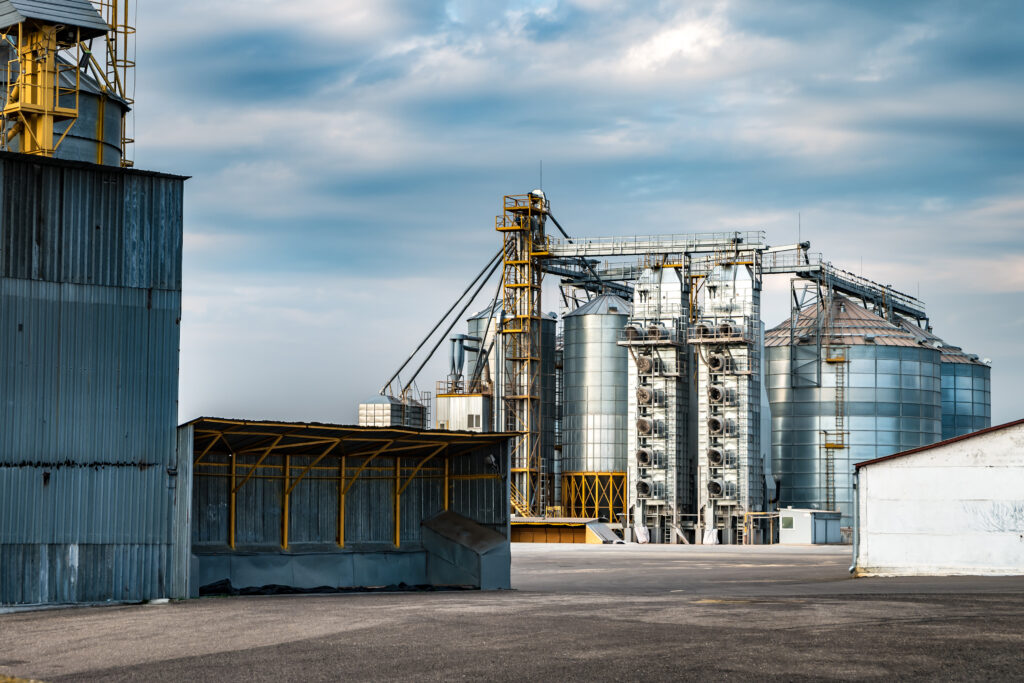
What is Bulk Material Handling?
Bulk material handling refers to the process of transporting, storing, controlling, and protecting bulk materials — such as powders, granules, or pellets — in large quantities.
Instead of manually lifting, pouring, or transporting materials, industries use automated systems like conveyors, pneumatic transfer lines, and bag filling/unloading machines. These systems not only improve efficiency but also maintain product quality and workplace safety.
Why Modern Manufacturing Plants Need Efficient Handling Systems
1. Enhanced Productivity
Automated handling systems streamline the movement of raw materials across different sections of the plant. With minimal manual intervention, production speed increases and downtime reduces significantly.
2. Improved Accuracy and Consistency
Modern equipment such as Big Bag Filling Systems and Pneumatic Conveying Systems are designed for precise measurement and controlled flow. This ensures consistent material delivery and reduces product loss.
3. Dust-Free and Hygienic Operations
In industries like food and pharma, maintaining hygiene is critical. Enclosed systems such as Pneumatic Conveyors and Dust Extraction Units prevent material spillage and airborne contamination, creating a cleaner working environment.
4. Safety and Compliance
Handling powders, chemicals, or granules comes with safety challenges — from dust explosions to inhalation hazards. Modern material handling solutions include safety interlocks, explosion-proof systems, and dust collectors to ensure complete compliance with industrial safety standards.
5. Lower Operational Costs
Automation reduces labor costs, material wastage, and maintenance downtime. Over time, this results in significant savings and a higher return on investment for manufacturers.
Key Modern Solutions in Bulk Material Handling
1. Pneumatic Conveying Systems
These systems use compressed air to transport materials through enclosed pipelines. Ideal for long-distance or vertical transfers, they ensure clean, dust-free, and flexible material flow across plant layouts.
Best for: Food powders, pharmaceutical ingredients, plastic granules, and chemical powders.
2. Big Bag Filling Systems
Also known as FIBC (Flexible Intermediate Bulk Container) filling systems, these are designed to pack bulk materials efficiently into jumbo bags. Modern machines include weighing, dust control, and automation features for precise and clean filling.
Benefits: Faster filling, minimal spillage, and reduced labor effort.
3. Big Bag Unloading Systems
These systems safely discharge materials from jumbo bags into processing or storage equipment. Equipped with dust-tight connections and vibration aids, they ensure smooth and controlled unloading without clogging or contamination.
Applications: Chemical powders, cement, starch, and pharmaceuticals.
4. Dust Extraction Systems
Dust control is vital for both worker safety and product purity. Advanced dust extraction systems capture airborne particles at their source and filter them before air re-entry, maintaining a clean and safe production environment.
Ideal for: Food, pharma, and chemical manufacturing plants.
5. Integrated Automation and Control
Modern plants integrate all these systems using PLCs and SCADA software for full automation. Operators can monitor and control material flow, detect faults, and manage performance remotely — ensuring continuous, optimized production.
How Modern Systems Improve Overall Plant Efficiency
By combining automation, precision, and hygiene, modern bulk material handling solutions transform traditional operations into streamlined, high-performance production lines.
These systems help manufacturers:
- Reduce manual intervention and human error
- Minimize product loss and contamination
- Increase throughput and consistency
- Meet strict hygiene and safety regulations
- Adapt easily to layout or capacity changes
Applications Across Industries
- Food & Beverage: Hygienic powder handling, spice and flour transfer
- Pharmaceutical: Dust-free conveying of fine ingredients and excipients
- Chemical: Safe handling of corrosive or reactive powders
- Cement & Minerals: High-volume transfer of abrasive materials
Regardless of industry, the goal remains the same — to move bulk materials efficiently, safely, and cleanly.
Conclusion
Modern bulk material handling systems have become indispensable for manufacturing plants that aim to achieve higher productivity, better quality, and safer operations. By integrating automation with dust-free and flexible material transfer systems, industries can significantly enhance their overall efficiency.
In an era of smart factories and Industry 4.0, upgrading to modern bulk material handling solutions is not just an operational choice — it’s a strategic investment in the future of your manufacturing business.