
In many industrial environments, dust is more than just a cleanliness issue—it can affect worker health, product quality, equipment performance, and even workplace safety. Industries that handle powders, granules, and fine particles often generate airborne dust during processes such as mixing, conveying, filling, and packaging.
To control these particles and maintain a safe working environment, industries rely on dust extraction systems. These systems are designed to capture and remove dust from the air before it spreads throughout the facility.
In this article, we’ll explore what a dust extraction system is, how it works, its key components, and why it is essential for modern industrial operations.
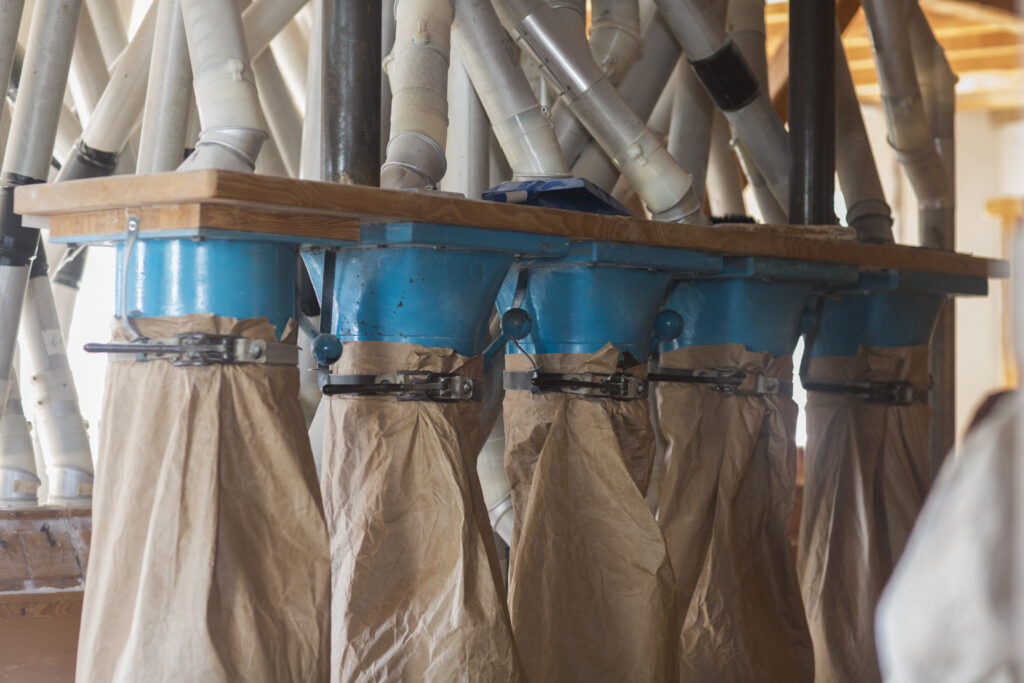
What is a Dust Extraction System?
A dust extraction system is an industrial air filtration system that captures dust, fumes, and airborne particles generated during manufacturing processes. The system collects dust directly at the source and filters the air before releasing it back into the environment.
These systems are widely used in industries such as:
- Food processing
- Pharmaceutical manufacturing
- Chemical processing
- Plastic production
- Cement and construction materials
By controlling dust at the source, dust extraction systems help maintain clean air, protect workers, and ensure smooth production processes.
Why Dust Extraction Systems Are Important
Dust generated during industrial operations can create several problems if not properly controlled.
1. Protecting Worker Health
Fine dust particles can be harmful when inhaled over long periods. Dust extraction systems help reduce airborne particles and create a healthier workplace.
2. Maintaining Product Quality
In industries such as food and pharmaceuticals, dust contamination can affect product purity and safety. Proper dust control helps maintain high-quality standards.
3. Preventing Equipment Damage
Dust accumulation can damage machinery, clog filters, and increase maintenance costs. Removing dust from the environment helps keep equipment running efficiently.
4. Improving Workplace Safety
Certain types of dust can be combustible or explosive. Proper dust extraction reduces the risk of dust explosions and improves overall safety.
5. Meeting Regulatory Standards
Many industries must follow environmental and occupational safety regulations. Dust extraction systems help companies comply with these standards.
How Does a Dust Extraction System Work?
A dust extraction system works by capturing dust at its source, transporting it through ducts, and filtering the air before releasing it back into the workspace or outside.
The process generally includes the following steps:
1. Dust Capture
Dust is generated at different points during industrial processes, such as material transfer, grinding, or filling operations. Capture hoods or extraction arms are placed near these points to collect dust immediately as it forms.
2. Airflow Creation
Powerful fans or blowers create suction that pulls dust-filled air into the ducting system. This airflow ensures that dust particles move toward the filtration unit instead of spreading in the workplace.
3. Dust Transportation
The contaminated air travels through ducts or pipelines to the dust collection unit. Proper duct design ensures smooth airflow and efficient transport of dust particles.
4. Dust Filtration
Inside the dust collector, filters separate dust particles from the air. Common filtration systems include bag filters, cartridge filters, or cyclone separators.
5. Clean Air Release
After filtration, the clean air is released back into the environment or recirculated within the facility. The collected dust is stored in a hopper or container for safe disposal.
Key Components of a Dust Extraction System
A typical dust extraction system includes several important components that work together to maintain air quality.
Capture Hood
Positioned near the dust source, the hood collects airborne particles before they spread.
Ducting System
A network of ducts transports dust-filled air from the capture point to the filtration unit.
Fan or Blower
This component generates the airflow required to move air and dust through the system.
Dust Collector
The dust collector is the main filtration unit where dust particles are separated from the air.
Filters
High-efficiency filters capture even fine dust particles to ensure clean air output.
Collection Hopper
The hopper collects the filtered dust for disposal or recycling.
Types of Dust Extraction Systems
Different industries require different types of dust control solutions. Some common dust extraction systems include:
Cyclone Dust Collectors
These systems use centrifugal force to separate larger dust particles from the air.
Baghouse Dust Collectors
Baghouse systems use fabric filter bags to trap fine dust particles and are widely used in heavy industries.
Cartridge Dust Collectors
These systems use compact filters and are suitable for smaller facilities or applications requiring high filtration efficiency.
Portable Dust Extractors
Portable units are used for localized dust control in smaller operations or workshops.
Applications of Dust Extraction Systems
Dust extraction systems are used in many industrial processes, including:
- Powder handling and mixing
- Pneumatic conveying operations
- Big bag filling and unloading
- Grinding and crushing processes
- Packaging and material transfer
By controlling dust in these operations, industries can maintain cleaner, safer, and more efficient production environments.
Benefits of Dust Extraction Systems
Installing an efficient dust extraction system offers several advantages:
- Improved workplace air quality
- Enhanced worker health and safety
- Reduced equipment wear and maintenance
- Lower risk of dust explosions
- Better compliance with environmental regulations
- Cleaner and more efficient production processes
Conclusion
Dust extraction systems play a crucial role in maintaining safe and efficient industrial environments. By capturing dust at its source and filtering contaminated air, these systems protect workers, improve product quality, and support regulatory compliance.
For industries handling powders, granules, and bulk materials, investing in a reliable dust extraction system is essential for maintaining clean operations and long-term productivity.